

What is the difference between a hexagon nut and other types of nuts?
Dec 15, 2025
Leave a message
Hey there! As a hexagon nut supplier, I often get asked about the differences between hexagon nuts and other types of nuts. So, I thought I'd take a few minutes to break it down for you.
Let's start with the basics. A nut is a small but mighty piece of hardware that's used to secure bolts and screws. It's like the sidekick to these fasteners, helping them do their job and keeping things together. There are tons of different types of nuts out there, each with its own unique features and uses. And hexagon nuts are just one of them.
What's a Hexagon Nut?
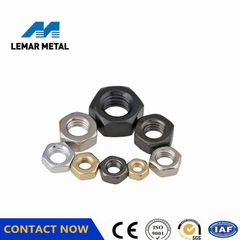
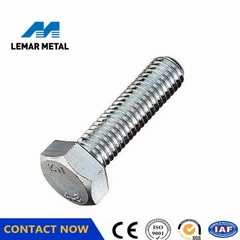
A hexagon nut, as the name suggests, has a hexagonal shape. It's got six sides, which makes it easy to grip with a wrench or a pair of pliers. This shape is super practical because it allows you to apply a good amount of torque without the tool slipping. You'll find hexagon nuts in all sorts of sizes, from tiny ones used in electronics to big ones for heavy - duty construction.
The threads on hexagon nuts are also designed to match the threads on bolts. This creates a tight and secure connection, preventing the bolt from coming loose. They're made from a variety of materials like steel, brass, and nylon, each offering different levels of strength, corrosion resistance, and price.
Comparing with Other Types of Nuts
Square Nuts
Square nuts are pretty straightforward. They, as you can guess, have a square shape with four sides. Compared to hexagon nuts, they're a bit more difficult to turn with a wrench. Since they have fewer sides, there's less surface area for the wrench to grip. This means you might not be able to apply as much torque as you can with a hexagon nut.


Square nuts are often used in applications where the nut needs to fit into a square hole or a slot. They're also sometimes used in older machinery or in decorative applications because of their unique look. But in terms of practicality and ease of use in modern construction and engineering, hexagon nuts usually have the upper hand.
Wing Nuts
Wing nuts are easily recognizable because of their two "wings" that stick out from the sides. These wings allow you to tighten or loosen the nut by hand, without the need for any tools. That's a huge advantage in situations where you need to make quick adjustments, like on a tent pole or a piece of furniture that you assemble and disassemble often.
However, the downside is that they don't provide as much clamping force as hexagon nuts. Since you're tightening them by hand, it's hard to apply a really strong and consistent amount of torque. So, for applications where a very secure connection is needed, like in structural steelwork, hexagon nuts are a better choice.
Cap Nuts
Cap nuts, also known as acorn nuts, have a domed top that covers the end of the bolt. This not only gives a finished look to the assembly but also protects the bolt from corrosion and damage. It can also prevent people from getting hurt on the sharp end of the bolt.
But cap nuts are more limited in their use compared to hexagon nuts. They're mainly used for aesthetic and protective purposes. In terms of the actual function of holding things together, they work in the same way as regular nuts, but they're not as versatile as hexagon nuts, which can be used in a wide range of applications, from simple DIY projects to complex industrial machinery.
Advantages of Hexagon Nuts
One of the biggest advantages of hexagon nuts is their versatility. You can find them in almost every industry, from automotive to aerospace. They're used in everything from building bridges to fixing your bike at home.
The hexagonal shape makes them easy to work with. Whether you're using a standard wrench, a socket wrench, or a power tool, you can get a good grip on the nut. And because they're so common, you can easily find replacement hexagon nuts if you need them.
Another advantage is the wide range of materials they come in. For example, Nylon Hex Nut offers good resistance to corrosion and is also relatively lightweight. They're often used in electrical applications or in places where you don't want metal - on - metal contact.
Brass Machine Nut has excellent conductivity and is also resistant to corrosion. They're great for use in electrical and plumbing applications. And Brass Thin Nut is thinner than a regular nut, which can be useful in applications where space is limited.
Why Choose Our Hexagon Nuts?
As a hexagon nut supplier, we take pride in offering high - quality products. Our hexagon nuts are made to strict standards, ensuring that they're strong, reliable, and long - lasting.
We have a wide selection of sizes and materials to meet your specific needs. Whether you need a small steel nut for a delicate project or a large brass nut for a heavy - duty application, we've got you covered.
Our prices are competitive, and we offer excellent customer service. We understand that every project is unique, and we're here to help you find the right hexagon nuts for your job.
Let's Connect
If you're in the market for hexagon nuts, I'd love to talk to you. Whether you're a DIY enthusiast working on a home project or a professional contractor in charge of a large - scale construction, we can provide you with the right nuts. Just drop us a message, and we can start discussing your requirements. We'll work with you to find the best solutions and get you the nuts you need as quickly as possible. So, don't hesitate to reach out and let's start this partnership!
References
- Machinery's Handbook, 31st Edition
- Fasteners and Fixings Handbook by Chris Beeby
Send Inquiry