

What is the difference between a metric fine - threaded bolt and a metric coarse - threaded bolt?
Jan 16, 2026
Leave a message
As a seasoned bolts supplier, I've witnessed firsthand the diverse needs and preferences of our clients when it comes to choosing the right bolts for their projects. One of the most common questions I encounter is the difference between metric fine-threaded bolts and metric coarse-threaded bolts. In this blog post, I'll delve into the intricacies of these two types of bolts, highlighting their unique characteristics, applications, and advantages.
Thread Pitch: The Fundamental Difference
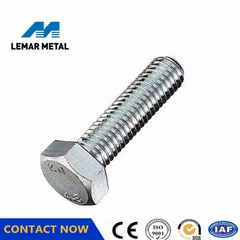
The most significant difference between metric fine-threaded and coarse-threaded bolts lies in their thread pitch. Thread pitch refers to the distance between adjacent threads, measured in millimeters. Coarse-threaded bolts have a larger thread pitch, which means there are fewer threads per unit length. On the other hand, fine-threaded bolts have a smaller thread pitch, resulting in more threads per unit length.
For example, a common metric coarse-threaded bolt might have a thread pitch of 1.5 mm, while a fine-threaded counterpart could have a pitch of 1.0 mm. This difference in thread pitch has several implications for the performance and application of the bolts.
Strength and Tensile Capacity
Coarse-threaded bolts generally have greater tensile strength compared to fine-threaded bolts. The larger thread pitch allows for a larger cross-sectional area of the bolt, which can withstand higher loads without failure. This makes coarse-threaded bolts ideal for applications where high strength and load-bearing capacity are required, such as in construction, heavy machinery, and automotive industries.
However, fine-threaded bolts have their own strength advantages. The increased number of threads provides more contact area between the bolt and the nut or the threaded hole, resulting in better resistance to loosening due to vibration. This makes them suitable for applications where vibration is a concern, such as in engines, electronics, and precision machinery.


Installation and Removal
The thread pitch also affects the ease of installation and removal of the bolts. Coarse-threaded bolts are typically easier and faster to install because the larger threads allow for quicker engagement with the nut or the threaded hole. They require fewer turns to reach the desired torque, which can save time and labor during assembly.
In contrast, fine-threaded bolts require more turns to achieve the same level of tightening. This can make the installation process more time-consuming, but it also allows for more precise adjustment of the tightening torque. Additionally, the finer threads are less likely to strip or damage the mating threads, which can be an advantage in applications where repeated installation and removal are required.
Corrosion Resistance
Both metric fine-threaded and coarse-threaded bolts can be manufactured from a variety of materials, including steel, stainless steel, and aluminum. The choice of material and the surface treatment applied to the bolts can significantly affect their corrosion resistance.
For applications in harsh environments or where corrosion is a concern, bolts with a protective coating such as galvanization or zinc plating are often preferred. Our Galvanized Steel Hex Bolts are a popular choice for outdoor and marine applications, as the galvanized coating provides a durable barrier against rust and corrosion.
Applications
The choice between metric fine-threaded and coarse-threaded bolts depends largely on the specific application and the requirements of the project. Here are some common applications for each type of bolt:
Coarse-Threaded Bolts
- Construction: Coarse-threaded bolts are widely used in construction for joining structural steel members, concrete forms, and other heavy-duty applications. Their high strength and ease of installation make them suitable for large-scale projects where speed and reliability are crucial.
- Automotive: In the automotive industry, coarse-threaded bolts are used for engine mounting, suspension components, and other critical applications. The ability to withstand high loads and vibrations is essential for ensuring the safety and performance of vehicles.
- Heavy Machinery: Coarse-threaded bolts are also commonly used in heavy machinery such as cranes, excavators, and tractors. These bolts need to be able to handle the extreme forces and stresses associated with heavy equipment operation.
Fine-Threaded Bolts
- Electronics: Fine-threaded bolts are often used in electronics for securing circuit boards, enclosures, and other precision components. Their ability to provide a tight and secure fit without damaging the delicate parts makes them ideal for this application.
- Precision Machinery: In precision machinery such as watches, cameras, and medical devices, fine-threaded bolts are used for precise adjustment and alignment. The finer threads allow for more accurate positioning and tightening, which is essential for maintaining the performance and accuracy of the equipment.
- Aerospace: The aerospace industry also relies on fine-threaded bolts for many applications, including aircraft engines, airframes, and avionics. The high strength and corrosion resistance of these bolts, combined with their ability to withstand extreme temperatures and pressures, make them suitable for the demanding conditions of aerospace engineering.
Our Product Range
As a leading bolts supplier, we offer a wide range of metric fine-threaded and coarse-threaded bolts to meet the diverse needs of our customers. Our product range includes DIN 6921 Hexagon Flange Bolt and Zinc Plated Hex Flange Bolt, which are available in various sizes, materials, and finishes.
Whether you need bolts for a small DIY project or a large-scale industrial application, we have the expertise and resources to provide you with the right solution. Our team of technical experts is always available to assist you in selecting the appropriate bolts for your specific requirements and to provide you with professional advice and support.
Conclusion
In conclusion, the difference between metric fine-threaded and coarse-threaded bolts lies in their thread pitch, which affects their strength, installation, corrosion resistance, and applications. Coarse-threaded bolts are generally stronger and easier to install, making them suitable for heavy-duty applications, while fine-threaded bolts offer better resistance to loosening and more precise adjustment, making them ideal for precision and vibration-sensitive applications.
As a bolts supplier, we understand the importance of providing high-quality products and excellent customer service. We are committed to meeting the needs of our customers and ensuring their satisfaction with our products. If you have any questions or need further information about our metric fine-threaded or coarse-threaded bolts, please do not hesitate to contact us. We look forward to working with you and providing you with the best bolts solutions for your projects.
References
- Machinery's Handbook, 31st Edition
- Fastener Digest: A Guide to Fastener Selection and Application
- ISO and DIN Standards for Bolts and Nuts
Send Inquiry