

What is the origin of the hexagon nut design?
Jul 14, 2025
Leave a message
Hey there! As a hexagon nut supplier, I've always been super curious about the origin of the hexagon nut design. It's one of those everyday items that we use all the time, but hardly ever stop to think about where it came from. So, I did some digging, and I'm excited to share what I found with you.
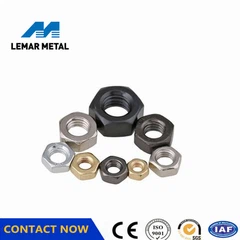
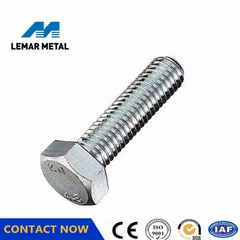
Let's start by talking about what makes the hexagon nut so special. You've probably noticed that most nuts have six sides. That's not a random choice. The hexagonal shape offers several advantages. First off, it provides a good number of flat surfaces for a wrench or a socket to grip onto. With six sides, you can easily turn the nut with a tool, even if you only have a small amount of space to work in. You can give it a quarter - turn and then re - position your tool, and keep going.
Another great thing about the hexagon is its symmetry. It distributes the force evenly when you're tightening or loosening the nut. This means that the nut is less likely to get damaged or stripped, and it does a better job of holding things together.
Now, onto the origin. The history of nuts and bolts goes way back. The concept of using threaded fasteners can be traced back to ancient Greece. They used wooden screws in wine presses and olive oil presses. But these were more like screws than nuts and bolts as we know them today.
The first metal nuts and bolts started to appear in the 15th century. At that time, they were made by hand, and the shapes were not as standardized as they are now. It wasn't until the Industrial Revolution in the 18th and 19th centuries that things really started to change. With the development of machinery, it became possible to mass - produce nuts and bolts. And this is when the hexagon nut design really took off.
The standardization of the hexagon nut design was a crucial step. It allowed for interchangeability of parts. This was a game - changer for industries like manufacturing, construction, and transportation. If you had a machine that needed a nut, you could be sure that a standard hexagon nut would fit, no matter where it was made.
There are also some theories about why the hexagon shape became so popular during this time. One theory is that it was a compromise between practicality and manufacturing ease. A four - sided nut would be easy to make, but it doesn't provide as many gripping surfaces. An eight - sided nut would offer more gripping options, but it was more difficult to machine. The hexagon was just right.
In the world of nuts, there are different types of hexagon nuts to suit various needs. For example, we have the Iron Hexagon Nut M10. This is a tough and durable nut, made from iron. It's great for heavy - duty applications where you need a strong fastener. Whether you're building a bridge or a large piece of machinery, the Iron Hexagon Nut M10 can handle the job.
Then there's the Hex Coupling Nut Female Connector. This type of nut is used to join two bolts together. It's often used in plumbing and electrical applications. It allows you to extend the length of a bolt or connect two bolts at different angles.
And if you're looking for something lightweight and corrosion - resistant, the Hex Nut PVC is a great choice. PVC nuts are commonly used in applications where you don't need a lot of strength but want to avoid rust and corrosion. They're often used in furniture assembly and some types of outdoor structures.
Over the years, the hexagon nut design has continued to evolve. With new materials and manufacturing techniques, we're able to make nuts that are even stronger, lighter, and more precise. For example, modern nuts can be made from high - strength alloys that can withstand extreme temperatures and pressures.
In the future, I think we'll see even more innovation in the hexagon nut industry. Maybe we'll develop nuts that are self - tightening or that can sense when they're coming loose. Who knows?
If you're in the market for hexagon nuts, whether it's for a small DIY project or a large - scale industrial application, I'd love to help you out. I've got a wide range of hexagon nuts in different sizes, materials, and finishes. And because I'm a supplier, I can offer you competitive prices and fast delivery.
So, if you're interested in learning more about our hexagon nuts or want to place an order, just reach out. I'm here to answer any questions you might have and make sure you get the right nuts for your needs.
In conclusion, the hexagon nut design has a rich history that dates back centuries. It's a simple yet incredibly effective invention that has had a huge impact on the way we build and assemble things. Whether you're a professional in the industry or a hobbyist, hexagon nuts are an essential part of your toolkit.


References
- "A History of Nuts and Bolts" by Industrial Fasteners Institute
- "The Development of Standardized Fasteners" in Engineering History Journal
- "Threaded Fasteners: From Ancient Times to the Present" in Manufacturing Technology Review
Send Inquiry