



Can I reuse screws?
May 23, 2025
Leave a message
As a screws supplier, one question I'm frequently asked is, "Can I reuse screws?" This seemingly simple query has a nuanced answer that depends on multiple factors. In this blog post, I'll explore the various aspects of screw reuse, including when it's feasible, when it's not, and best practices to ensure safety and performance.
Understanding the Basics of Screws
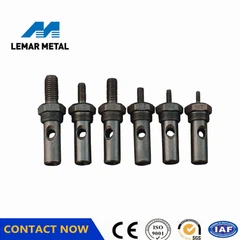
Before delving into the topic of reuse, it's essential to understand the different types of screws and their intended applications. Screws come in a wide variety of shapes, sizes, and materials, each designed for specific tasks. For instance, Stainless Steel Thumb Screws are ideal for applications where manual adjustment is required, thanks to their large, easy - to - grip heads. On the other hand, Screw for Riveter are designed for use with riveting tools, providing a strong and secure connection in various materials. And Flat Head Thumb Screw are often used when a flush finish is desired.
The material of the screw also plays a crucial role. Screws can be made from materials such as steel, stainless steel, brass, and aluminum. Each material has its own properties, including strength, corrosion resistance, and cost. For example, stainless steel screws are highly resistant to rust and corrosion, making them suitable for outdoor or wet environments.
When Reusing Screws is Feasible
There are several scenarios where reusing screws is a viable option:
Light - Duty Applications
In light - duty applications where the screws are not subjected to high levels of stress or load, reusing them can be perfectly acceptable. For example, in furniture assembly, if you're disassembling and reassembling a piece of furniture for moving purposes, the screws that held the parts together can often be reused. As long as the threads are not damaged and the screw can still provide a secure fit, there's no reason not to reuse them.
Temporary Installations
When screws are used for temporary installations, such as setting up a display at a trade show or building a temporary structure, reusing them makes sense. These installations are usually short - term, and the screws don't experience long - term wear and tear. After the event is over, the screws can be removed and stored for future use.
Low - Risk Environments
In low - risk environments where the failure of a screw would not result in significant consequences, reusing screws can be considered. For example, in a home workshop, if you're using screws to attach a small shelf to a wall, and the shelf is not holding heavy items, reusing the screws is a practical choice.


When Reusing Screws is Not Recommended
However, there are situations where reusing screws is not advisable:
High - Stress Applications
In high - stress applications, such as in automotive engines, aerospace components, or structural building projects, reusing screws is generally not recommended. These applications require screws that can withstand extreme forces, vibrations, and temperature variations. Once a screw has been used in such an environment, its structural integrity may be compromised. The repeated stress can cause micro - cracks in the screw, which can lead to sudden failure.
Corrosive Environments
If screws have been exposed to corrosive environments, reusing them is a bad idea. Corrosion can weaken the screw, causing it to lose its strength and integrity. For example, screws used in marine applications or in industrial settings with high levels of chemicals are likely to be corroded. Even if the corrosion is not visible on the surface, it may have penetrated the screw, making it unreliable.
Damaged Screws
Screws with damaged threads, heads, or shafts should never be reused. Damaged threads may not be able to provide a secure connection, and a damaged head can make it difficult to install or remove the screw. If a screw has been stripped, bent, or otherwise deformed, it should be replaced with a new one.
Assessing Screws for Reuse
If you're considering reusing screws, it's important to assess their condition carefully. Here are some steps to follow:
Visual Inspection
Start by visually inspecting the screws. Look for signs of corrosion, such as rust or discoloration. Check the threads for any signs of damage, such as stripping or deformation. Examine the head of the screw to ensure it's not damaged or worn. If you notice any visible damage, the screw should not be reused.
Thread Check
You can also perform a thread check using a nut of the appropriate size. If the nut does not fit smoothly onto the screw or if it feels loose or tight in an abnormal way, the threads may be damaged, and the screw should be discarded.
Torque Testing
In some cases, it may be necessary to perform a torque test. This involves using a torque wrench to apply the recommended amount of torque to the screw. If the screw does not hold the torque or if it feels loose during the test, it's a sign that the screw is not suitable for reuse.
Best Practices for Reusing Screws
If you've determined that the screws are suitable for reuse, here are some best practices to follow:
Clean the Screws
Before reusing the screws, clean them thoroughly to remove any dirt, debris, or old adhesive. You can use a wire brush or a solvent to clean the screws. Make sure to dry them completely before reinstalling.
Apply Lubricant
Applying a small amount of lubricant to the threads can make it easier to install the screws and can also help prevent corrosion. Use a lubricant that is suitable for the material of the screw and the application.
Follow the Correct Installation Procedure
When reinstalling the screws, make sure to follow the correct installation procedure. Use the appropriate tools and apply the recommended amount of torque. Over - tightening or under - tightening the screws can lead to problems.
Conclusion
In conclusion, the question of whether you can reuse screws doesn't have a one - size - fits - all answer. It depends on the type of screw, the application, and the condition of the screw. In light - duty, temporary, or low - risk applications, reusing screws can be a cost - effective and practical option. However, in high - stress, corrosive, or critical applications, it's best to use new screws to ensure safety and performance.
As a screws supplier, I'm always here to help you make the right choice for your specific needs. Whether you're looking for new screws or need advice on screw reuse, feel free to reach out for a detailed discussion. We can explore the best solutions tailored to your projects and requirements.
References
- Machinery's Handbook, Industrial Press Inc.
- Fastener Technology: Design, Materials, and Applications, ASM International.
Send Inquiry