




How do I clean a washer?
Jan 06, 2026
Leave a message
As a washer supplier, I often receive inquiries from customers about how to clean washers properly. Cleaning washers is not only crucial for maintaining their performance but also for extending their lifespan. In this blog, I'll share some effective methods and tips on cleaning different types of washers.
Understanding the Types of Washers
Before diving into the cleaning process, it's essential to understand the various types of washers available. We offer a wide range of washers, including the Three Wave Washer, DIN 9021 Flat Washers, and Square Flat Pad. Each type has its unique characteristics and cleaning requirements.
- Three Wave Washer: This type of washer has a wave-like shape that provides excellent spring action and vibration resistance. It is commonly used in applications where a tight fit and constant pressure are required.
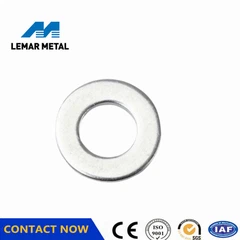
- DIN 9021 Flat Washers: These flat washers are standardized according to the DIN 9021 specification. They are widely used to distribute the load of a threaded fastener and prevent damage to the surface being fastened.
- Square Flat Pad: Square flat pads are similar to flat washers but have a square shape. They are often used in applications where additional stability is needed.
General Cleaning Guidelines
Regardless of the type of washer, there are some general cleaning guidelines that you should follow:
- Safety First: Before starting the cleaning process, make sure to wear appropriate safety gear, such as gloves and goggles, to protect yourself from any chemicals or debris.
- Prepare the Cleaning Solution: Depending on the level of dirt and contamination, you can choose an appropriate cleaning solution. For light dirt, a mild detergent mixed with water may be sufficient. For more stubborn stains or grease, you may need to use a specialized degreaser or solvent.
- Remove Loose Debris: Use a soft brush or compressed air to remove any loose dirt, dust, or debris from the washers. This will make the cleaning process more effective.
- Soak the Washers: Immerse the washers in the cleaning solution and let them soak for a few minutes to loosen the dirt and contaminants. You can use a small container or a ultrasonic cleaner for this purpose.
- Scrub the Washers: Use a soft brush to gently scrub the washers to remove any remaining dirt or stains. Pay special attention to the edges and corners of the washers.
- Rinse the Washers: After scrubbing, rinse the washers thoroughly with clean water to remove any traces of the cleaning solution.
- Dry the Washers: Use a clean cloth or compressed air to dry the washers completely. Make sure there is no moisture left on the washers, as it can cause rust or corrosion.
Cleaning Specific Types of Washers
Now, let's take a closer look at how to clean each type of washer:
Three Wave Washer
The wave-like shape of the Three Wave Washer can make it a bit challenging to clean. Here are some additional tips for cleaning this type of washer:
- Use a Narrow Brush: To clean the crevices and waves of the washer, use a narrow brush with soft bristles. This will help you reach all the areas and remove any dirt or debris.
- Pay Attention to the Edges: The edges of the Three Wave Washer are often where dirt and contaminants accumulate. Make sure to scrub the edges thoroughly to ensure a clean surface.
- Check for Damage: While cleaning the washer, check for any signs of damage, such as cracks or deformation. If you notice any damage, it's best to replace the washer to ensure proper performance.
DIN 9021 Flat Washers
DIN 9021 Flat Washers are relatively easy to clean. Here are some tips to keep in mind:


- Use a Mild Cleaning Solution: Since these washers are typically used in general applications, a mild detergent mixed with water is usually sufficient for cleaning.
- Avoid Abrasive Materials: To prevent scratching the surface of the washer, avoid using abrasive materials or harsh chemicals.
- Inspect the Surface: After cleaning, inspect the surface of the washer for any signs of rust or corrosion. If you notice any rust spots, you can use a rust remover to treat them.
Square Flat Pad
Cleaning Square Flat Pads is similar to cleaning DIN 9021 Flat Washers. Here are some additional tips:
- Clean the Corners: The corners of the Square Flat Pad can be a bit difficult to clean. Use a small brush or a toothpick to remove any dirt or debris from the corners.
- Ensure Even Cleaning: Make sure to clean all sides of the Square Flat Pad evenly to ensure consistent performance.
- Store Properly: After cleaning and drying, store the Square Flat Pads in a dry and clean place to prevent rust or corrosion.
Tips for Maintaining Clean Washers
In addition to regular cleaning, there are some tips you can follow to maintain clean washers:
- Keep the Work Area Clean: A clean work area will help prevent dirt and contaminants from getting on the washers. Make sure to clean up any spills or debris immediately.
- Use Proper Storage: Store the washers in a dry and clean place to prevent rust or corrosion. You can use a plastic container or a ziplock bag to keep the washers organized and protected.
- Inspect Regularly: Regularly inspect the washers for any signs of damage or wear. If you notice any issues, replace the washers as soon as possible to avoid any potential problems.
- Follow Manufacturer's Recommendations: Always follow the manufacturer's recommendations for cleaning and maintenance. This will ensure that you are using the correct methods and products for your specific washers.
Conclusion
Cleaning washers is an important part of maintaining their performance and extending their lifespan. By following the guidelines and tips outlined in this blog, you can ensure that your washers are clean and in good condition. Whether you are using Three Wave Washers, DIN 9021 Flat Washers, or Square Flat Pads, proper cleaning and maintenance will help you get the most out of your washers.
If you have any questions or need further assistance with cleaning or maintaining your washers, please don't hesitate to contact us. We are a professional washer supplier and are always happy to help. We look forward to discussing your procurement needs and providing you with high-quality washers that meet your specific requirements.
References
- ASM Handbook, Volume 5: Surface Engineering, ASM International
- Machinery's Handbook, 31st Edition, Industrial Press Inc.
- Fastener Handbook, 5th Edition, Industrial Fasteners Institute
Send Inquiry