





What is a PIN number used for?
Jan 06, 2026
Leave a message
A PIN number, in the context of mechanical and industrial applications, serves a variety of crucial functions. As a PIN supplier, I've had the privilege of witnessing firsthand how these small yet mighty components play an integral role in numerous industries. In this blog post, I'll delve into the various uses of PIN numbers, explore different types of pins, and highlight their significance in modern engineering.
1. Alignment and Positioning
One of the primary uses of PIN numbers is for alignment and positioning. In machinery and equipment, precise alignment is essential for proper functioning. Pins are used to ensure that different parts are correctly positioned relative to each other. For example, in automotive engines, dowel pins are used to align the cylinder head with the engine block. This alignment is critical for maintaining the correct compression ratio and preventing leaks.
Similarly, in manufacturing processes, pins are used to position workpieces accurately on machine tables. This ensures that machining operations such as drilling, milling, and turning are carried out with high precision. Without proper alignment, the final product may not meet the required specifications, leading to quality issues and potential failures.
2. Joining and Fastening
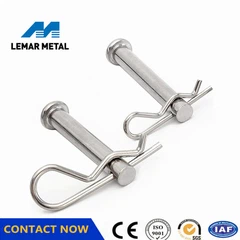
Pins are also widely used for joining and fastening components together. They provide a simple and effective way to connect two or more parts without the need for complex fastening systems. For instance, cotter pins are commonly used in automotive and aerospace applications to secure nuts and bolts. The cotter pin is inserted through a hole in the bolt and then bent to prevent the nut from loosening due to vibration.
Another example is the use of roll pins, which are cylindrical pins with a split along their length. Roll pins are pressed into holes in two parts to be joined, creating a tight fit. This type of joint is strong and reliable, making it suitable for a wide range of applications.
3. Transmission of Power
In some cases, pins are used to transmit power between different components. For example, in a gearbox, pins may be used to connect the gears to the shafts. The pins transfer the rotational motion from the shaft to the gear, enabling the gear to rotate and transmit power to other parts of the system.
In addition, pins can be used in coupling systems to connect two shafts together. This allows for the transmission of power from one shaft to another while accommodating some degree of misalignment. The use of pins in power transmission applications requires careful consideration of factors such as load capacity, torque, and speed to ensure reliable operation.
4. Locking and Retention
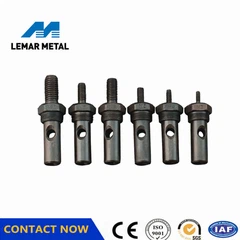
Pins are often used for locking and retention purposes. Spring-loaded plunger pins, for example, are used to hold parts in place or to provide a positive locking mechanism. These pins consist of a plunger that is spring-loaded and can be pushed in or released as needed. They are commonly used in applications such as tooling, fixtures, and automotive parts to prevent components from moving or shifting during operation.
Toothed elastic pins are another type of locking pin. They have teeth on their surface that provide a secure grip when inserted into a hole. Toothed elastic pins are often used in applications where a high level of retention is required, such as in electronics and electrical equipment. Toothed Elastic Pin


5. Safety and Protection
In some industries, pins are used for safety and protection purposes. For example, shear pins are designed to break under a certain load, which can prevent damage to more expensive components in a system. Shear pins are commonly used in agricultural machinery, such as tractors and combines, to protect the transmission and other parts from overload.
In addition, safety pins are used in various applications to prevent accidental disassembly or movement of components. These pins are designed to be easily removable but also provide a high level of security to ensure the safety of the equipment and the operators.
Different Types of Pins
There are many different types of pins available, each with its own unique features and applications. Some of the most common types of pins include:
- Dowel Pins: These are precision-ground pins used for alignment and positioning. They are available in various sizes and materials, such as steel, stainless steel, and brass. Spring Dowel Pin
- Cotter Pins: These are U-shaped pins with a split at one end. They are used to secure nuts and bolts and prevent them from loosening.
- Roll Pins: Also known as spring pins, these are cylindrical pins with a split along their length. They are used for joining and fastening components.
- Spring-loaded Plunger Pins: These pins consist of a plunger that is spring-loaded and can be pushed in or released as needed. They are used for locking and retention purposes. Spring Loaded Plunger Pin
- Shear Pins: These pins are designed to break under a certain load to protect other components in a system.
- Safety Pins: These pins are used to prevent accidental disassembly or movement of components.
The Significance of PIN Numbers in Modern Engineering
In modern engineering, the use of PIN numbers is essential for ensuring the reliability, efficiency, and safety of machinery and equipment. Pins provide a simple and cost-effective solution for a wide range of applications, from precision alignment to power transmission.
With advancements in manufacturing technology, pins are now available in a wide range of materials and configurations to meet the specific needs of different industries. Whether it's in the automotive, aerospace, electronics, or manufacturing industry, pins play a crucial role in ensuring the smooth operation of various systems.
Contact for Procurement
As a PIN supplier, we understand the importance of providing high-quality pins that meet the specific requirements of our customers. If you're in need of pins for your industrial applications, don't hesitate to contact us for procurement. Our team of experts can assist you in selecting the right type of pins for your needs and provide you with the best possible solutions.
References
- "Mechanical Engineering Handbook" by Myer Kutz
- "Machinery's Handbook" by Industrial Press Inc.
Send Inquiry