



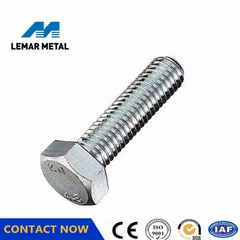
How do I fasten hex screws in a soft material?
Dec 30, 2025
Leave a message
Fastening hex screws in a soft material can be a bit tricky, but with the right techniques and products, it can be done effectively. As a hex screws supplier, I've dealt with all sorts of situations where customers need to use our screws in soft materials like wood, plastic, or even some types of foam. In this blog, I'll share some tips and insights on how to fasten hex screws in these soft materials properly.


Understanding Soft Materials
First off, let's talk about what makes a material "soft." Soft materials generally have a lower density and less resistance to penetration compared to hard materials like metal or concrete. Wood, for example, is a common soft material used in furniture making and construction. It's relatively easy to drill into, but it can also be prone to splitting if not handled correctly. Plastic is another soft material that's often used in various applications. It can be flexible or rigid, depending on the type, but it usually requires a different approach when it comes to fastening screws.
Choosing the Right Hex Screws
The type of hex screw you choose is crucial when working with soft materials. You want a screw that has the right thread design and length for the job. For wood, you might consider using a Confirmat Coarse Connecting Wood Screw. These screws have a coarse thread that provides good grip and holding power in wood. They're often used in furniture assembly to connect different parts of the piece together.
If you're working on a furniture project, Furniture Confirmat Screw might be a great option. They're designed specifically for furniture applications and can help ensure a secure and stable connection between different components.
For more precise applications in soft materials, Socket Head Shoulder Screws can be a good choice. These screws have a shoulder that can provide additional support and alignment, which is useful when you need a more accurate fit.
Preparing the Soft Material
Before you start fastening the hex screws, it's important to prepare the soft material properly. This usually involves drilling a pilot hole. A pilot hole is a small hole that you drill into the material before inserting the screw. It helps guide the screw and reduces the risk of splitting the material.
The size of the pilot hole depends on the diameter of the screw and the type of material you're working with. For wood, a general rule of thumb is to drill a pilot hole that's about 75% of the screw's diameter. For example, if you're using a 6mm screw, you would drill a 4.5mm pilot hole.
When drilling the pilot hole, make sure to use a sharp drill bit to avoid tearing or chipping the material. You can also use a drill press for more precise and consistent holes.
Fastening the Hex Screws
Once you've prepared the pilot hole, it's time to start fastening the hex screws. You'll need a hex key or an Allen wrench to turn the screws. Make sure the hex key fits snugly into the head of the screw to avoid stripping the screw.
Slowly and steadily turn the hex key in a clockwise direction to drive the screw into the material. Apply even pressure to ensure the screw goes in straight. If the screw starts to bind or feels difficult to turn, stop and check what's going on. It could be that the pilot hole is too small or that the material has a tight spot.
In some cases, you might want to use a power drill with a hex bit to speed up the process. However, be careful when using power tools, as they can cause the screw to go in too quickly and damage the material.
Tips for Success
Here are some additional tips to help you fasten hex screws in soft materials successfully:
- Use a washer: Placing a washer under the head of the screw can distribute the pressure evenly and prevent the screw from sinking too deeply into the soft material.
- Don't overtighten: Over tightening the screw can cause the material to crack or split. Once the screw is snug, stop turning it.
- Test on a scrap piece first: If you're unsure about the process or the suitability of the screw for the material, test it on a scrap piece first to see how it performs.
- Consider using a thread-locking compound: In some applications, especially where the connection might be subject to vibrations, using a thread-locking compound can help keep the screw in place.
Common Mistakes to Avoid
There are a few common mistakes that people make when fastening hex screws in soft materials. One of the biggest mistakes is not drilling a pilot hole. As mentioned earlier, a pilot hole is essential for preventing splitting and ensuring a smooth installation.
Another mistake is using the wrong type of screw. If you use a screw that's too long or has the wrong thread design for the material, it won't provide a proper hold.
Finally, improper application of force can also lead to problems. Whether you're using a manual hex key or a power drill, make sure to apply the right amount of force and turn the screw in a controlled manner.
Conclusion
Fastening hex screws in soft materials doesn't have to be a difficult task. By choosing the right screws, preparing the material properly, and following the right techniques, you can achieve a secure and reliable connection. At our company, we're committed to providing high-quality hex screws that are suitable for a wide range of applications, including those involving soft materials.
If you're in the market for hex screws and need advice on the best products for your needs, don't hesitate to reach out. We're here to help you make the right choice and ensure your projects are a success. Whether you're a DIY enthusiast or a professional in the industry, our team of experts can provide you with the guidance and support you need. So, feel free to contact us for a detailed discussion and let's work together to find the perfect hex screw solution for your soft material fastening needs.
References
- Woodworking Basics: A Guide to Fastening Techniques
- Plastic Fastening Handbook
- Screw Selection and Application Manual
Send Inquiry