


How to choose the right screw for a specific project?
Jun 25, 2026
Leave a message
When embarking on a project that involves fastening materials together, selecting the right screw is crucial for the success and longevity of the work. As a seasoned screws supplier, I've witnessed firsthand the impact that the correct screw choice can have on a project. In this blog post, I'll share some essential tips on how to choose the right screw for a specific project.
Understanding the Basics of Screws
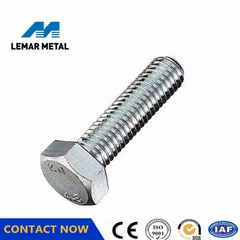
Before delving into the selection process, it's important to understand the basic components of a screw. A screw typically consists of a head, a shank, and a thread. The head is the top part of the screw that you use to turn it, while the shank is the smooth part between the head and the thread. The thread is the spiral ridge on the screw that allows it to grip into the material.
There are various types of screw heads, each designed for specific applications. Some common types include flat, round, pan, and oval heads. Flat heads are ideal for countersinking, where the screw head sits flush with the surface of the material. Round heads are more decorative and protrude above the surface. Pan heads are similar to round heads but have a flatter top. Oval heads are a combination of flat and round heads, providing a more aesthetically pleasing finish.
The thread of a screw also plays a crucial role in its performance. Coarse threads are typically used for soft materials like wood, as they provide a strong grip. Fine threads, on the other hand, are better suited for hard materials like metal or plastic, as they offer a more precise fit.
Consider the Material
One of the most important factors to consider when choosing a screw is the material you'll be fastening. Different materials require different types of screws to ensure a secure and long-lasting connection.
Wood
Wood is a common material used in many projects, from building furniture to constructing a deck. When working with wood, it's important to choose a screw that is specifically designed for this material. For example, Steel Confirmat Screw is a great option for joining wood components together. These screws have a coarse thread that provides a strong grip in the wood, and they are often used in cabinetry and furniture construction.
Another popular choice for wood is the Countersunk Chipboard Screw. These screws are designed to be countersunk into the wood, leaving a flush surface. They are commonly used in applications where a smooth finish is desired, such as in the construction of cabinets and drawers.
Metal
When working with metal, you'll need a screw that is strong enough to penetrate the material and provide a secure connection. Stainless steel screws are a popular choice for metal applications, as they are corrosion-resistant and can withstand harsh environments. For example, a self-tapping screw is often used to fasten thin sheets of metal together. These screws have a sharp point and a coarse thread that allows them to cut into the metal as they are turned.


Plastic
Plastic is a lightweight and versatile material that is commonly used in a variety of applications, from electronics to automotive parts. When working with plastic, it's important to choose a screw that is designed to prevent cracking and damage to the material. Round Head Brass Screws are a good option for plastic applications, as they are relatively soft and won't cause the plastic to crack. These screws also have a decorative finish, making them suitable for applications where appearance is important.
Consider the Application
In addition to the material, you'll also need to consider the specific application of the screw. Different applications require different types of screws to ensure optimal performance.
Structural Applications
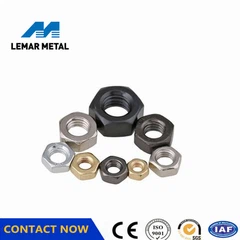
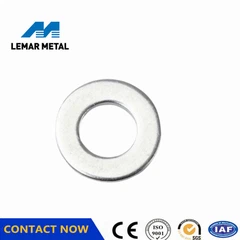
For structural applications, such as building a deck or a fence, you'll need a screw that is strong enough to support the weight and stress of the structure. Lag screws are a popular choice for these types of applications, as they have a large diameter and a coarse thread that provides a strong grip in the wood. They are typically used in conjunction with washers and nuts to provide additional support.
Decorative Applications
In decorative applications, such as installing hardware on furniture or adding accents to a project, the appearance of the screw is often as important as its function. In these cases, you may want to choose a screw with a decorative head, such as a round or oval head. Brass or stainless steel screws are also a good choice for decorative applications, as they have a shiny finish that can enhance the appearance of the project.
Electrical Applications
When working with electrical components, it's important to choose a screw that is made of a non-conductive material to prevent electrical shorts. Nylon or plastic screws are commonly used in electrical applications, as they are non-conductive and won't interfere with the electrical current.
Consider the Size
The size of the screw is another important factor to consider when choosing the right screw for a specific project. The size of the screw is typically determined by its diameter and length. The diameter of the screw is measured across the threads, while the length is measured from the tip of the screw to the bottom of the head.
When choosing the size of the screw, it's important to consider the thickness of the materials you'll be fastening. The screw should be long enough to penetrate through both materials and provide a secure connection. However, it shouldn't be too long, as this can cause the screw to protrude through the other side of the material and create a safety hazard.
Conclusion
Choosing the right screw for a specific project is essential for ensuring the success and longevity of the work. By considering the material, application, and size of the screw, you can select the best screw for your needs. As a screws supplier, I'm here to help you make the right choice. If you have any questions or need further assistance, please don't hesitate to contact me for a purchase negotiation.
Send Inquiry