



How do you prevent lock nuts from seizing?
Jun 26, 2026
Leave a message
Hey there, folks! As a lock nut supplier, I've seen my fair share of issues with lock nuts seizing. It's a real headache for a lot of people, whether you're a DIY enthusiast or a professional in the industry. So, I thought I'd share some tips on how you can prevent lock nuts from seizing.
First off, let's understand what causes lock nuts to seize. Seizing usually happens when there's excessive friction and heat between the nut and the bolt. This can be due to a few reasons. One common cause is improper installation. If you're tightening the nut too much or using the wrong tools, it can lead to increased friction and eventually seizing. Another cause can be the environment. If the lock nuts are exposed to moisture, chemicals, or high temperatures, it can accelerate the corrosion and seizing process.
Now, let's get into the ways to prevent this from happening.
Proper Installation
The first step in preventing lock nut seizing is to ensure proper installation. This means using the right tools and following the correct torque specifications. When you're installing a lock nut, make sure you're using a torque wrench. This will help you apply the right amount of force and prevent over - tightening. Over - tightening can cause the threads to deform, increasing the friction and the likelihood of seizing.
Also, make sure the threads of both the bolt and the nut are clean and free of debris. Any dirt, rust, or other contaminants can increase friction and cause seizing. You can use a wire brush or a thread chaser to clean the threads before installation.
Lubrication
Lubrication is another crucial factor in preventing lock nut seizing. Applying a suitable lubricant to the threads can significantly reduce friction. There are different types of lubricants you can use, such as anti - seize compounds, grease, or oil.
Anti - seize compounds are specifically designed to prevent seizing and corrosion. They work by creating a barrier between the threads, reducing friction and preventing metal - to - metal contact. Grease is also a good option, as it can provide long - term lubrication. Just make sure to use a high - quality grease that can withstand the operating conditions. Oil is a more temporary solution, but it can still be effective in reducing friction during installation.
Material Selection
Choosing the right material for your lock nuts can also play a big role in preventing seizing. Different materials have different properties, and some are more resistant to seizing than others.
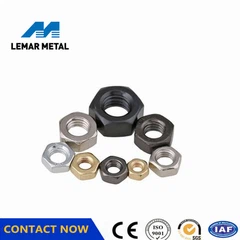
For example, stainless steel lock nuts are a popular choice because they are corrosion - resistant. They can withstand exposure to moisture and chemicals without rusting, which reduces the risk of seizing. Brass lock nuts are also a good option, especially in applications where electrical conductivity is required. They are relatively soft and less likely to seize compared to harder metals.
If you're looking for specific lock nuts, we have some great options. Check out our LOCK NUT DIN985, Hexagonal Anti - loose Nylon Nut, and Brass Knurled Round Nut. These are high - quality lock nuts that are designed to perform well and resist seizing.
Environmental Considerations
As I mentioned earlier, the environment can have a big impact on lock nut seizing. If your lock nuts are going to be exposed to harsh conditions, you need to take extra precautions.
If they're in a wet environment, make sure to use a corrosion - resistant coating on the lock nuts. This can help protect them from rust and other forms of corrosion. You can also use a sealant to prevent moisture from getting to the threads.
In high - temperature environments, choose lock nuts that are made from materials that can withstand the heat. Some materials may expand or deform at high temperatures, which can lead to seizing. So, it's important to select the right material for the job.
Regular Inspection and Maintenance
Regular inspection and maintenance are essential for preventing lock nut seizing. You should periodically check the lock nuts to make sure they're still in good condition. Look for signs of corrosion, wear, or damage. If you notice any issues, replace the lock nuts immediately.
You can also re - apply lubrication during maintenance. Over time, the lubricant may wear off, so re - applying it can help maintain the low friction between the threads.


Training and Education
If you're working in a professional setting, it's important to provide training and education to your employees on how to properly install and maintain lock nuts. Many cases of seizing are due to human error, so making sure everyone knows the right procedures can go a long way in preventing problems.
In conclusion, preventing lock nut seizing requires a combination of proper installation, lubrication, material selection, environmental considerations, regular inspection, and training. By following these tips, you can significantly reduce the risk of lock nut seizing and ensure the long - term performance of your equipment.
If you're interested in purchasing high - quality lock nuts or have any questions about preventing seizing, feel free to reach out to us. We're here to help you find the right solutions for your needs.
Send Inquiry