

How to choose the right size of drill bit for anchor bolt installation?
Dec 18, 2025
Leave a message
Hey there, folks! I'm an anchor bolts supplier, and I've seen it all when it comes to anchor bolt installations. One of the most common questions I get from DIYers and professionals alike is, "How do I choose the right size of drill bit for anchor bolt installation?" Well, you're in luck because I'm here to break it down for you in a way that's easy to understand.
First off, let's talk about why choosing the right drill bit size is so important. When you're installing an anchor bolt, the drill bit creates a hole in the material (like concrete, brick, or wood) where the anchor will go. If the hole is too small, the anchor won't fit properly, and it won't be able to grip the material securely. On the other hand, if the hole is too big, the anchor won't have enough support, and it could come loose over time. So, getting the right size drill bit is crucial for a successful and long - lasting installation.
Factors to Consider
There are a few factors you need to take into account when choosing the drill bit size for anchor bolt installation.
1. Anchor Bolt Size
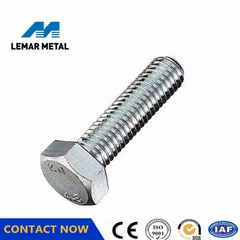
This is the most obvious factor. The drill bit size should be compatible with the diameter of the anchor bolt you're using. For example, if you're using a 1/4 - inch anchor bolt, you'll need a drill bit that's the appropriate size to create a hole that the anchor can fit into snugly. As a general rule, you want the hole to be slightly larger than the anchor bolt diameter to allow for easy insertion.
2. Material Type
The type of material you're drilling into also plays a big role. Different materials have different densities and hardness levels, which means they require different drill bit sizes.
- Concrete: Concrete is a hard and dense material. For concrete installations, you usually need a drill bit that's the same size as the anchor bolt diameter or slightly larger. For instance, if you're using a 3/8 - inch anchor bolt in concrete, a 3/8 - inch or 7/16 - inch drill bit might be suitable.
- Brick: Brick is less dense than concrete. You can often get away with using a slightly smaller drill bit compared to concrete. If you're using a 1/4 - inch anchor bolt in brick, a drill bit that's just a hair smaller than 1/4 - inch might work well.
- Wood: Wood is a softer material. You generally use a drill bit that's the same size as the anchor bolt shaft for a tight fit.
3. Anchor Type
There are different types of anchor bolts, and each type may have specific drill bit size requirements.
- L Shaped Anchor Bolts: These are great for attaching objects to concrete or masonry. You can learn more about them here. L - shaped anchor bolts usually require a drill bit that matches their diameter. So, if you have a 1/2 - inch L - shaped anchor bolt, you'll use a 1/2 - inch drill bit.
- Stainless Steel Round U - bolt: Stainless steel gives these U - bolts good corrosion resistance. Check out Stainless Steel Round U - bolt for more details. For these, you still pick a drill bit size based on the diameter of the U - bolt legs.
- Masonry Screw Anchor: These are handy for light - to medium - duty applications in masonry and concrete. Get more info on Masonry Screw Anchor. They typically need a drill bit that's slightly smaller than the screw diameter to ensure a tight grip.
Step - by - Step Guide to Choosing the Right Drill Bit Size
Now, let's go through a step - by - step process to help you choose the right drill bit size.
Step 1: Identify the Anchor Bolt
Look at the anchor bolt you're using. Check its diameter. This info is usually printed on the bolt or in the product packaging. If you're not sure, you can measure the bolt with a caliper.
Step 2: Determine the Material
Figure out what material you'll be drilling into. Is it concrete, brick, or wood? Make sure to clean the surface of the material and check for any cracks or weaknesses.


Step 3: Check the Anchor Manufacturer's Guidelines
Most anchor manufacturers provide drill bit size recommendations for their products. These guidelines are based on extensive testing, so it's a good idea to follow them. They'll take into account the anchor type, size, and the material it's designed for.
Step 4: Select the Drill Bit
Based on the anchor bolt size, material type, and manufacturer's guidelines, pick the appropriate drill bit. You can find drill bits at your local hardware store or order them online. Make sure the drill bit is in good condition and suitable for the material you're drilling.
Step 5: Test the Fit
Before you start the full - scale installation, do a test fit. Drill a small hole and insert the anchor bolt. It should fit smoothly but snugly. If it's too tight, you might need a slightly larger drill bit. If it's too loose, a smaller one could be the answer.
Common Mistakes to Avoid
Here are some common mistakes that people make when choosing drill bit sizes for anchor bolt installation.
- Using the Wrong Drill Bit Size: As I mentioned earlier, using the wrong size can lead to a weak installation. Always double - check your measurements and the manufacturer's guidelines.
- Not Considering the Material: Different materials have different requirements. Don't assume that one drill bit size will work for all materials.
- Ignoring the Anchor Type: Each anchor type has its own unique installation needs. Make sure you're using the right drill bit for the specific anchor you're using.
Conclusion
Choosing the right size of drill bit for anchor bolt installation isn't rocket science, but it does require a bit of attention to detail. By considering the anchor bolt size, material type, and anchor type, and following the manufacturer's guidelines, you can ensure a successful and secure installation.
If you're in the market for high - quality anchor bolts or have any questions about choosing the right drill bit size for your project, don't hesitate to reach out. We're here to help you make the best choice for your needs. Whether you're a DIY enthusiast working on a small home project or a professional contractor handling a large - scale job, we've got the products and expertise to support you.
References
- "Anchor Bolt Installation Guide" by a leading hardware manufacturer
- Industry standards and best practices for anchor bolt installation
Send Inquiry