

What is the torque value when using lock washers?
Dec 17, 2025
Leave a message
Torque values play a crucial role when using lock washers, as they directly impact the performance and reliability of bolted joints. In this blog post, I'll share insights from my experience as a lock washer supplier, explaining the significance of torque values, how they are determined, and factors that affect them. I'll also introduce some of our high - quality lock washer products and conclude with an invitation for you to reach out for purchasing and further discussions.
Understanding Torque in the Context of Lock Washers
Torque is the measure of the force that causes an object to rotate around an axis. When tightening a bolt or a screw with a lock washer, the applied torque generates a clamping force between the connected parts. This clamping force is essential as it keeps the joint together, preventing loosening due to vibration, thermal expansion and contraction, or external forces.
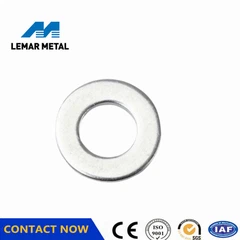
Lock washers are designed to enhance the anti - loosening ability of bolted joints. They work by introducing spring tension and/or a locking mechanism that resists the rotation of the fastener. By adjusting the torque value correctly, we can ensure that the lock washer functions optimally, providing long - term stability and reliability for the joint.
Determining the Appropriate Torque Value
Calculating the right torque value is a complex process that depends on several factors. One of the primary considerations is the diameter and grade of the fastener. Different fastener materials and sizes have different strength capabilities, and the torque value needs to be set within the safe operating range to avoid over - tightening or under - tightening.
For example, a high - strength steel bolt will typically require a higher torque value compared to a lower - grade one of the same size. Industry standards and guidelines, such as those provided by the American Society of Mechanical Engineers (ASME), can be used as a starting point to determine the recommended torque values for various fasteners.
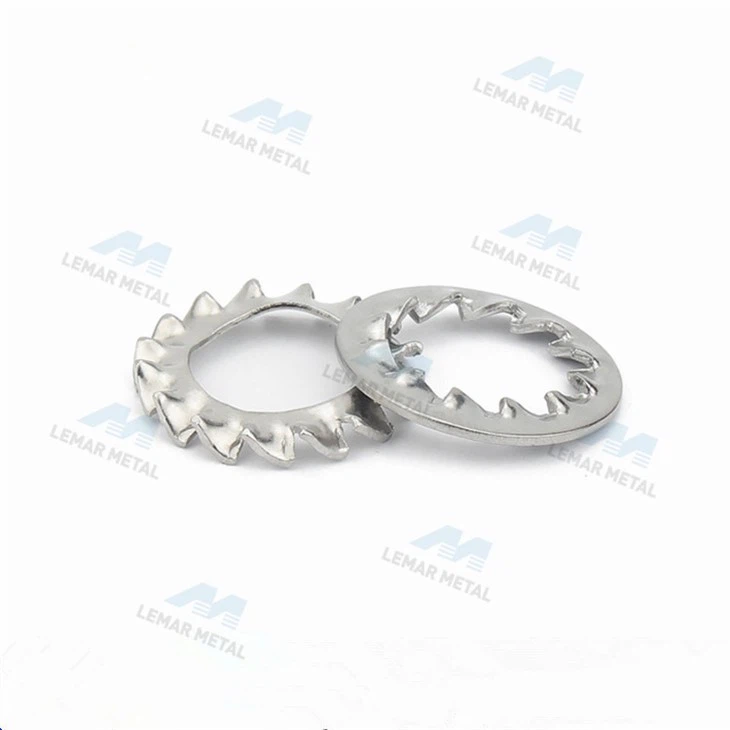
The type of lock washer also plays a vital role in determining the torque. Our company offers a wide range of lock washers, each with unique characteristics. For instance, External Serrated Gasket provides excellent locking performance by biting into the mating surface. When using this type of washer, the torque value might need to be adjusted slightly higher than normal because of the additional friction created by the serrations.
On the other hand, Internal Serrated Lock Washer has internal serrations that grip the bolt or screw head. These serrations can affect the overall friction in the joint, which in turn impacts the required torque.
Another important aspect is the surface condition of the parts being joined. If the mating surfaces are rough, there will be more friction, and less torque may be needed to achieve the desired clamping force. Conversely, smooth surfaces may require a higher torque value.
Factors Affecting Torque Values
As mentioned earlier, friction is a major factor affecting torque values. The friction between the fastener threads, the underside of the fastener head, and the surfaces of the lock washer and the connected parts all contribute to the overall friction in the joint. Lubrication can significantly reduce this friction. When using lubricated fasteners, the torque value should be lower than for dry fasteners to avoid over - tightening.
The material of the connected parts also influences the torque. Softer materials, such as aluminum or plastic, may deform under high clamping forces. In such cases, a lower torque value is required to prevent damage to the parts.
Environmental conditions are another consideration. In high - temperature environments, the material properties of the fastener and the connected parts can change. For example, thermal expansion can cause the bolt to elongate, altering the clamping force. Therefore, torque values may need to be adjusted to account for these changes.
Our Lock Washer Products
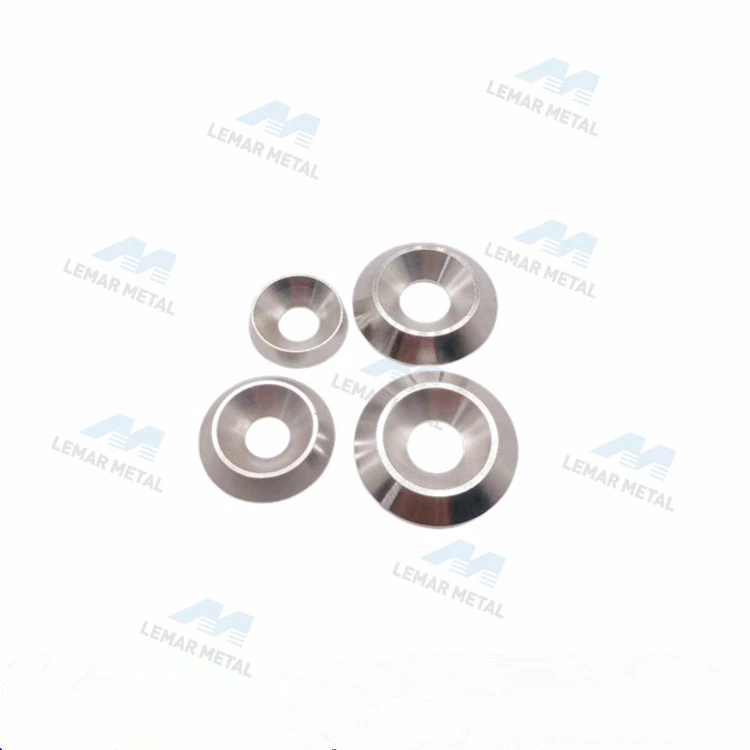
We take pride in offering a diverse range of lock washers to meet different customer needs. In addition to the External Serrated Gasket and Internal Serrated Lock Washer mentioned above, we also have Countersunk Screw Gasket Washer. This type of washer is ideal for applications where a flush surface is required, such as in decorative or aerospace components.
All our lock washers are manufactured using high - quality materials and advanced production techniques to ensure consistent performance. We have a strict quality control system in place to guarantee that each washer meets the highest standards.
Importance of Proper Torque Application
Applying the correct torque value is not only about ensuring the functionality of the lock washer but also about the safety of the entire system. An under - tightened joint may loosen over time, leading to product failure, equipment damage, or even safety hazards. On the other hand, an over - tightened joint can cause the fastener to break or damage the connected parts, also resulting in system failures.
By understanding the correct torque values and using our high - quality lock washers, you can significantly improve the reliability and lifespan of your bolted joints. This, in turn, can reduce maintenance costs and downtime, providing a cost - effective solution for your applications.
Get in Touch for Your Lock Washer Needs
Whether you're in the automotive, aerospace, construction, or any other industry that requires reliable bolted joints, our lock washers can meet your requirements. We have a team of experts who can assist you in choosing the right lock washer and determining the appropriate torque values for your specific application.
If you're interested in purchasing our lock washers or would like to discuss your project in more detail, please feel free to contact us. We look forward to providing you with the highest level of service and the best - quality products.
References
- American Society of Mechanical Engineers (ASME). ASME B18.2.1 - 2017, Unified Inch Screw Threads (UN and UNR Thread Form).
- Machinery's Handbook, 31st Edition, Industrial Press Inc.
- National Association of Fastener Distributors (NAFD). Fastener Training Manual.
Send Inquiry