

How to prevent anchor bolts from loosening?
May 15, 2025
Leave a message
Anchor bolts play a crucial role in various construction and industrial applications, providing a secure connection between structural elements and the foundation. However, one common issue that can undermine the stability and safety of these connections is the loosening of anchor bolts. As a trusted anchor bolts supplier, we understand the significance of preventing this problem and ensuring the long - term reliability of your projects. In this blog, we will explore effective strategies to prevent anchor bolts from loosening.
Understanding the Causes of Anchor Bolt Loosening
Before we delve into prevention methods, it's essential to understand why anchor bolts loosen in the first place. There are several factors that can contribute to this issue:
Vibration
In many industrial settings, machinery and equipment generate vibrations. These vibrations can gradually cause the threads of the anchor bolt to unwind, leading to loosening. For example, in a factory with large motors or generators, the constant shaking can have a cumulative effect on the anchor bolts holding the equipment in place.

Thermal Expansion and Contraction
Materials expand and contract with changes in temperature. If the anchor bolt and the materials it is connecting have different coefficients of thermal expansion, this can create stress on the bolt over time. As the materials expand and contract, the bolt may become loose. This is particularly relevant in outdoor structures or environments with significant temperature variations.
Improper Installation
Incorrect installation is a major culprit in anchor bolt loosening. If the bolts are not tightened to the proper torque, they may not provide sufficient clamping force to keep the connection secure. Additionally, if the holes in the foundation or the structural elements are not drilled to the correct size or depth, the bolt may not be seated properly, leading to loosening.
Corrosion
Corrosion can weaken the anchor bolt and its threads, reducing its ability to maintain a tight connection. In environments with high humidity, exposure to chemicals, or saltwater, corrosion can occur relatively quickly, especially if the bolts are not properly protected.
Preventive Measures
Proper Installation
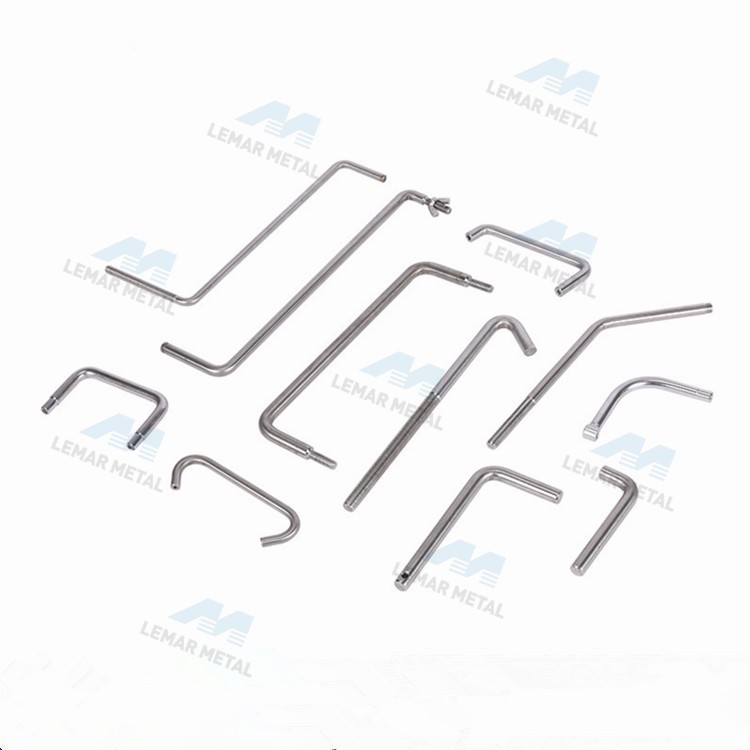
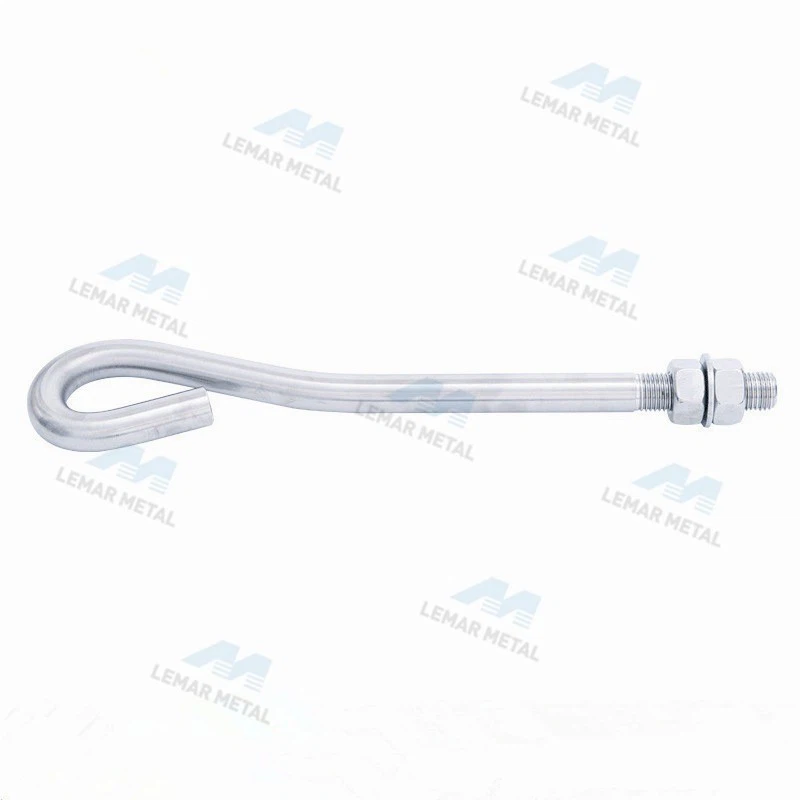
- Torque Specification: One of the most critical steps in preventing anchor bolt loosening is to ensure proper installation torque. Each type of anchor bolt has a recommended torque value based on its size, material, and application. Using a torque wrench during installation helps to achieve the correct torque, ensuring that the bolt provides the necessary clamping force. For instance, when installing 9 Shaped Foundation Bolt, referring to the manufacturer's torque specifications is essential.
- Correct Hole Drilling: The holes in the foundation and the structural elements should be drilled to the correct size and depth. A hole that is too small can cause the bolt to be over - stressed, while a hole that is too large may not provide enough support for the bolt. Using a drill bit of the appropriate size and following the installation instructions carefully can help prevent these issues.
Use of Locking Devices
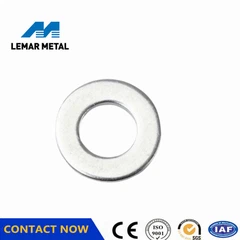
- Lock Washers: Lock washers are designed to prevent nuts from loosening by creating friction between the nut and the surface it is tightened against. There are different types of lock washers, such as split washers and toothed washers. Split washers work by applying spring tension to the nut, while toothed washers bite into the surface to prevent rotation. For example, when using J Bolt with Washers and Nuts, including a lock washer can enhance the connection's stability.
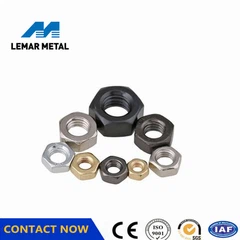
- Nylon - Insert Lock Nuts: These nuts have a nylon insert that provides resistance to vibration and prevents the nut from backing off. The nylon insert creates a tight fit on the bolt threads, reducing the likelihood of loosening. They are particularly useful in applications where vibration is a concern.
Thread Locking Compounds
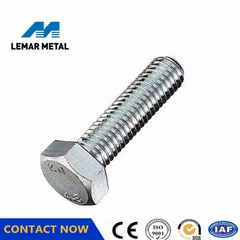
Thread locking compounds, also known as threadlockers, are adhesives that are applied to the threads of the bolt before installation. These compounds cure when they are in contact with metal and oxygen is excluded, creating a strong bond that prevents the nut from loosening. There are different types of thread locking compounds available, ranging from low - strength compounds that are easily removable to high - strength compounds that require heat to remove. Using a thread locking compound can be an effective way to secure Galvanized Steel Hex Bolts in place.
Regular Inspection and Maintenance
- Visual Inspection: Regularly inspecting the anchor bolts for signs of loosening, corrosion, or damage is essential. Look for any visible movement of the bolt or the connected structure, as well as signs of rust or deformation. If any issues are detected, they should be addressed immediately.
- Re - Tightening: Over time, even properly installed anchor bolts may experience some minor loosening. Periodically re - tightening the bolts to the recommended torque can help maintain the integrity of the connection. The frequency of re - tightening depends on the application and the environmental conditions.
Material Selection
- High - Strength Materials: Choosing anchor bolts made from high - strength materials can improve their resistance to loosening. High - strength steel bolts, for example, can withstand greater loads and stresses without deforming or loosening. Additionally, the material should be compatible with the environment in which the bolts will be used to prevent corrosion.
- Coatings: Applying protective coatings to the anchor bolts can help prevent corrosion. Galvanizing, for example, is a common coating process that involves applying a layer of zinc to the steel bolt. This zinc layer acts as a sacrificial anode, protecting the steel from corrosion.
Conclusion
Preventing anchor bolts from loosening is crucial for the safety and stability of any structure or equipment. By understanding the causes of loosening and implementing the preventive measures outlined above, you can ensure that your anchor bolt connections remain secure over the long term. As an experienced anchor bolts supplier, we offer a wide range of high - quality anchor bolts, including 9 Shaped Foundation Bolt, J Bolt with Washers and Nuts, and Galvanized Steel Hex Bolts. If you have any questions about anchor bolt selection, installation, or prevention of loosening, we are here to help. Contact us today to discuss your specific requirements and start a procurement conversation.
References
- "Structural Steel Design Handbook", 5th Edition, by Jack C. McCormac and Russell H. Brown
- "Mechanical Fasteners and Their Applications" by John H. Bickford
- Manufacturer's installation guides for various anchor bolts
Send Inquiry