

What are the corrosion - resistant properties of different screw materials?
Sep 24, 2025
Leave a message
When it comes to the world of screws, one of the most critical factors to consider is their corrosion-resistant properties. As a trusted screws supplier, I understand the importance of providing high-quality products that can withstand the test of time and various environmental conditions. In this blog post, I'll delve into the corrosion-resistant characteristics of different screw materials, helping you make informed decisions for your projects.
Stainless Steel Screws
Stainless steel is perhaps the most well-known and widely used material for corrosion-resistant screws. It contains chromium, which forms a passive oxide layer on the surface of the screw. This layer acts as a protective barrier, preventing oxygen and moisture from reaching the underlying metal and causing corrosion.
There are different grades of stainless steel, each with varying levels of corrosion resistance. For example, 304 stainless steel is a common choice for general applications. It offers good resistance to most atmospheric conditions, mild chemicals, and food products. On the other hand, 316 stainless steel contains molybdenum, which enhances its resistance to pitting and crevice corrosion, making it suitable for more aggressive environments such as marine applications.
Stainless steel screws are also highly durable and have excellent mechanical properties. They can maintain their strength and integrity even in harsh conditions, making them ideal for a wide range of industries, including construction, automotive, and marine. If you're looking for corrosion-resistant screws, Stainless Steel Thumb Screws are a great option.
Brass Screws
Brass is an alloy of copper and zinc, and it has been used for screws for many years. Brass screws have a natural resistance to corrosion, especially in non - acidic and non - alkaline environments. The copper in brass forms a protective patina over time, which helps to prevent further corrosion.
Brass screws are often used in decorative applications because of their attractive golden color. They are also commonly used in electrical and plumbing applications due to their good electrical conductivity and resistance to water corrosion. However, brass screws may not be suitable for highly corrosive environments, such as those exposed to saltwater or strong chemicals.
One of the advantages of brass screws is their ease of machining. They can be easily formed into different shapes and sizes, making them a versatile choice for various projects. If you're looking for a screw with a bit of aesthetic appeal and moderate corrosion resistance, brass screws could be the right option for you.
Aluminum Screws
Aluminum is a lightweight and corrosion-resistant metal. Aluminum screws form a thin oxide layer on their surface when exposed to air, which protects the underlying metal from further oxidation. This makes aluminum screws suitable for applications where weight is a concern, such as in the aerospace and automotive industries.
Aluminum screws are also resistant to corrosion in many atmospheric conditions. However, they may be susceptible to corrosion in environments with high levels of chloride ions, such as saltwater. To improve their corrosion resistance in such environments, aluminum screws can be anodized. Anodizing is a process that thickens the natural oxide layer on the surface of the aluminum, providing better protection against corrosion.


Aluminum screws are relatively soft compared to stainless steel and brass screws. This means they may not be suitable for applications where high strength is required. But for applications where weight and corrosion resistance are more important than strength, aluminum screws are a great choice.
Titanium Screws
Titanium is a high - performance metal known for its exceptional corrosion resistance and strength - to - weight ratio. Titanium screws are highly resistant to corrosion in a wide range of environments, including seawater, acids, and alkalis. This is because titanium forms a very stable oxide layer on its surface, which is highly protective.
Titanium screws are commonly used in the aerospace, medical, and marine industries. In the aerospace industry, their lightweight and high - strength properties make them ideal for aircraft components. In the medical field, titanium's biocompatibility and corrosion resistance make it suitable for use in implants.
However, titanium screws are relatively expensive compared to other screw materials. The high cost is due to the complex extraction and processing methods required to produce titanium. But for applications where performance and corrosion resistance are of utmost importance, the investment in titanium screws can be well worth it.
Galvanized Steel Screws
Galvanized steel screws are made of carbon steel that has been coated with a layer of zinc. The zinc coating acts as a sacrificial anode, which means it corrodes first before the underlying steel. This provides a certain level of corrosion protection to the steel screw.
Galvanized steel screws are commonly used in construction and outdoor applications. They are relatively inexpensive compared to stainless steel and titanium screws, making them a cost - effective option for many projects. However, the zinc coating may wear off over time, especially in harsh environments, reducing the screw's corrosion resistance.
There are different types of galvanizing processes, such as hot - dip galvanizing and electro - galvanizing. Hot - dip galvanizing provides a thicker and more durable zinc coating, which offers better long - term corrosion protection. If you're working on a project that requires a cost - effective corrosion - resistant screw, Flat Head Knurled Thumb Screw in galvanized steel could be a suitable choice.
Choosing the Right Screw Material for Your Project
When selecting a screw material, several factors need to be considered. First, you need to assess the environmental conditions in which the screw will be used. If the screw will be exposed to saltwater, for example, stainless steel or titanium screws may be the best choice. If the application is in a non - corrosive indoor environment, brass or galvanized steel screws may be sufficient.
The mechanical requirements of the application are also important. If high strength is required, stainless steel or titanium screws are better options than aluminum or brass screws. Cost is another factor to consider. While titanium screws offer excellent performance, they may not be feasible for projects with a tight budget.
It's also important to consider the compatibility of the screw material with other materials in the assembly. For example, using a dissimilar metal in contact with a screw can cause galvanic corrosion. To avoid this, it's important to choose screw materials that are compatible with the surrounding materials.
Conclusion
In conclusion, the corrosion - resistant properties of different screw materials vary widely. Stainless steel offers excellent corrosion resistance in a wide range of environments and is suitable for many industries. Brass provides moderate corrosion resistance and is often used in decorative and electrical applications. Aluminum is lightweight and corrosion - resistant, making it ideal for weight - sensitive applications. Titanium offers the highest level of corrosion resistance but comes at a higher cost. Galvanized steel is a cost - effective option for many construction and outdoor applications.
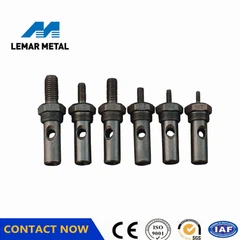
As a screws supplier, I'm committed to providing you with the best screw solutions for your projects. Whether you need Stainless Steel Thumb Screws, Flat Head Knurled Thumb Screw, or Screw for Riveter, I can help you choose the right material based on your specific requirements.
If you're interested in learning more about our screw products or have any questions regarding the corrosion - resistant properties of different screw materials, please don't hesitate to contact us. We're here to assist you in making the best choice for your projects.
References
- ASM Handbook, Volume 13A: Corrosion: Fundamentals, Testing, and Protection. ASM International.
- Metals Handbook Desk Edition, Third Edition. ASM International.
- Corrosion Basics: An Introduction, NACE International.
Send Inquiry