

What is the corrosion resistance of anchor bolts?
Sep 24, 2025
Leave a message
Hey there! As a supplier of anchor bolts, I often get asked about the corrosion resistance of these essential fasteners. Corrosion can be a real pain in the neck when it comes to anchor bolts, as it can compromise their strength and durability over time. So, let's dive into what corrosion resistance is all about and how it affects anchor bolts.
First things first, what exactly is corrosion? Well, in simple terms, corrosion is the gradual destruction of a material, usually a metal, due to chemical reactions with its environment. When it comes to anchor bolts, the most common type of corrosion is rust, which occurs when iron or steel reacts with oxygen and water. This reaction forms iron oxide, which we all know as rust. Rust can cause the anchor bolt to weaken, lose its grip, and eventually fail.
Now, let's talk about why corrosion resistance is so important for anchor bolts. Anchor bolts are used in a wide range of applications, from securing structures like buildings and bridges to mounting heavy machinery. In many of these applications, the anchor bolts are exposed to harsh environments, such as moisture, chemicals, and saltwater. Without proper corrosion resistance, these bolts can quickly deteriorate, leading to safety hazards and costly repairs.

So, how do we measure the corrosion resistance of anchor bolts? There are several methods, but one of the most common is the salt spray test. In this test, the anchor bolts are placed in a chamber and exposed to a fine mist of saltwater for a specified period of time. After the test, the bolts are examined for signs of corrosion, such as rust and pitting. The results of the salt spray test can give us an idea of how well the anchor bolts will perform in real-world conditions.
Another important factor to consider when it comes to corrosion resistance is the type of material used to make the anchor bolts. Different materials have different levels of corrosion resistance. For example, stainless steel is known for its excellent corrosion resistance, thanks to the presence of chromium, which forms a protective layer on the surface of the metal. Carbon steel, on the other hand, is more prone to corrosion, but it can be treated with coatings or finishes to improve its resistance.
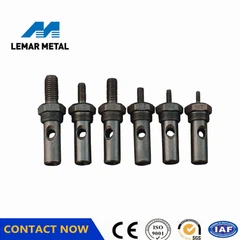
At our company, we offer a variety of anchor bolts with different levels of corrosion resistance to meet the needs of our customers. For example, our Carbon Steel Foundation Bolt is a popular choice for general construction applications. These bolts are made of high-quality carbon steel and are coated with a zinc layer to provide some protection against corrosion.
If you need anchor bolts that can withstand more extreme environments, we also offer stainless steel anchor bolts. These bolts are made of 304 or 316 stainless steel, which are known for their excellent corrosion resistance. They are ideal for applications where the bolts will be exposed to moisture, chemicals, or saltwater, such as in marine and coastal structures.
In addition to the material, the design of the anchor bolt can also affect its corrosion resistance. For example, anchor bolts with a smooth surface are less likely to trap moisture and debris, which can lead to corrosion. Bolts with a tapered end or a special thread design can also help to improve their corrosion resistance by reducing the contact area between the bolt and the surrounding material.
Another way to improve the corrosion resistance of anchor bolts is to use protective coatings or finishes. There are several types of coatings available, including epoxy, zinc, and galvanized coatings. These coatings can provide an additional layer of protection against corrosion by preventing moisture and oxygen from reaching the surface of the bolt.
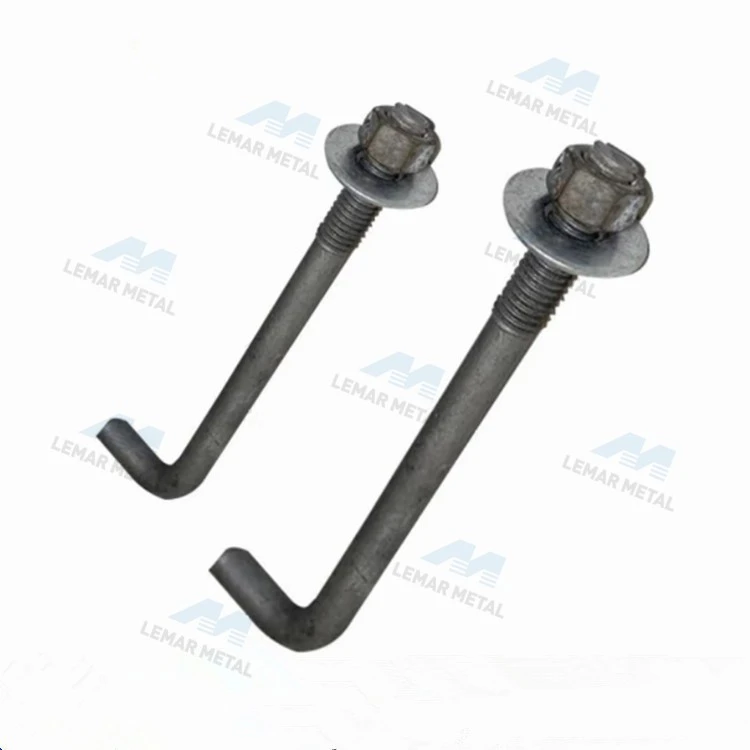
At our company, we offer a range of protective coatings and finishes for our anchor bolts. For example, our J Bolt with Washers and Nuts can be coated with a hot-dip galvanized finish, which provides excellent corrosion resistance in outdoor and harsh environments.
In conclusion, corrosion resistance is a crucial factor to consider when choosing anchor bolts. By understanding the different types of corrosion, the factors that affect corrosion resistance, and the methods used to measure it, you can make an informed decision about which anchor bolts are right for your application. At our company, we are committed to providing high-quality anchor bolts with excellent corrosion resistance to meet the needs of our customers.
If you have any questions about our anchor bolts or need help choosing the right ones for your project, please don't hesitate to contact us. We would be happy to assist you with your procurement and answer any questions you may have. Let's work together to ensure the safety and durability of your structures.
References
- ASTM International. (2023). Standard Test Methods for Conducting Salt Spray (Fog) Tests. ASTM B117.
- NACE International. (2023). Corrosion Basics: An Introduction to Corrosion Control.
- ASM International. (2023). Metals Handbook: Corrosion.
Send Inquiry