


What are the safety regulations regarding bolts in machinery?
May 20, 2025
Leave a message
Hey there, folks! As a bolts supplier, I've seen firsthand how crucial it is to understand the safety regulations regarding bolts in machinery. Bolts might seem like small and simple components, but they play a huge role in keeping our machinery running smoothly and safely. In this blog, I'm gonna break down these safety regulations and why they matter so much.
Why Safety Regulations for Bolts in Machinery Are a Big Deal
Let's start by talking about why we even need safety regulations for bolts in machinery. Well, think about it. Bolts are used to hold different parts of a machine together. If they're not up to the mark, the whole machine can malfunction, leading to serious accidents. For example, in heavy - duty construction equipment, a loose or faulty bolt can cause parts to come apart, endangering the operators and those around the site.
Safety regulations ensure that the bolts we use can withstand the forces and stresses they'll face during the machine's operation. They set standards for things like the strength, material quality, and installation methods of bolts. By following these regulations, manufacturers can build reliable machinery that meets the safety requirements of various industries.
Material and Manufacturing Standards
One of the key aspects of safety regulations is the material used to make bolts. Different types of machinery require bolts made from specific materials. For instance, in food - processing machinery, bolts need to be made from materials that are resistant to corrosion and won't contaminate the food. Stainless steel is a popular choice in such cases because it's durable and hygienic.
On the other hand, in high - temperature applications like furnaces or engines, bolts need to be made from heat - resistant alloys. These alloys can maintain their strength even at extremely high temperatures, preventing the bolts from failing due to thermal stress.
Manufacturing standards also play a vital role. Bolts need to be manufactured with precision. The threads should be cut accurately to ensure a proper fit. Any defects in the manufacturing process, like cracks or uneven surfaces, can weaken the bolt and lead to failure. That's why many safety regulations require strict quality control during the manufacturing of bolts.
Strength and Load - Bearing Capacity
Another important part of safety regulations is the strength and load - bearing capacity of bolts. Each bolt has a specific tensile strength, which is the maximum amount of pulling force it can withstand before breaking. Machinery designers need to carefully select bolts with the right tensile strength based on the loads the machine will experience.
For example, in a bridge construction project, the bolts used to hold the structural components together need to have a very high tensile strength. These bolts are under constant stress from the weight of the bridge and the traffic passing over it. Using bolts with insufficient strength can lead to catastrophic failures.
Safety regulations often specify the minimum strength requirements for bolts in different types of machinery. This ensures that the bolts can handle the expected loads without breaking or deforming. It's also important to consider the shear strength of bolts, which is the ability to resist forces that try to cut the bolt in half. In some machinery, like conveyor systems, shear forces can be significant, and the bolts need to be designed to handle them.
Installation and Torque Requirements
Proper installation of bolts is just as important as their material and strength. Safety regulations often provide guidelines on how to install bolts correctly. One of the key factors in installation is torque. Torque is the amount of force applied to tighten a bolt. If a bolt is under - tightened, it can come loose during operation, causing vibrations and potentially leading to component failure. On the other hand, over - tightening a bolt can damage the threads or even break the bolt.
For example, in automotive engines, each bolt has a specific torque specification. Mechanics use torque wrenches to ensure that the bolts are tightened to the correct level. This helps to maintain the integrity of the engine and prevent leaks or other problems.
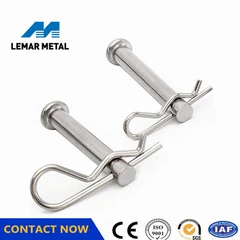
Some safety regulations also require the use of locking devices to prevent bolts from loosening. One great option is the Antiluce Drop Lock. This innovative locking device provides an extra layer of security, ensuring that the bolts stay in place even under high - vibration conditions.
Inspection and Maintenance
Safety regulations don't stop at installation. Regular inspection and maintenance of bolts in machinery are essential. Over time, bolts can experience wear and tear, corrosion, or fatigue. Inspections can help detect any signs of damage early on, allowing for timely replacement.
For example, in an aircraft, bolts are inspected regularly to ensure the safety of the flight. Any signs of corrosion or stress cracking can be a serious concern, and the affected bolts need to be replaced immediately.
Maintenance also includes lubrication of bolts in some cases. Lubrication can reduce friction during installation and prevent corrosion. However, it's important to use the right type of lubricant, as some lubricants can affect the torque requirements of the bolts.
Industry - Specific Regulations
Different industries have their own specific safety regulations regarding bolts in machinery. For example, the aerospace industry has extremely strict regulations due to the high - risk nature of aircraft operations. Bolts used in aerospace applications need to meet very high - precision standards and undergo rigorous testing.
The oil and gas industry also has its own set of regulations. Bolts in oil rigs and pipelines need to be able to withstand harsh environmental conditions, including high pressures, corrosive chemicals, and extreme temperatures.
In the medical industry, bolts used in medical devices need to be made from biocompatible materials and meet strict hygiene standards. This ensures that the devices are safe for use on patients.
Conclusion
So, as you can see, safety regulations regarding bolts in machinery are super important. They cover everything from the material and manufacturing of bolts to their installation, inspection, and maintenance. By following these regulations, we can ensure the safety and reliability of our machinery.
If you're in the market for high - quality bolts that meet all the safety regulations, look no further. We, as a bolts supplier, are committed to providing you with the best products. Whether you need bolts for a small DIY project or a large - scale industrial application, we've got you covered. Contact us to start a procurement discussion, and let's work together to find the perfect bolts for your needs.


References
- Machinery Safety Standards Handbook
- Industry - specific safety regulations for various sectors such as aerospace, oil and gas, and medical.
- Research papers on bolt material properties and failure analysis.
Send Inquiry