


What is the load - bearing capacity of a flat washer?
Jul 18, 2025
Leave a message
Hey there! As a flat washer supplier, I often get asked about the load - bearing capacity of flat washers. It's a super important topic, especially for those in construction, manufacturing, and all sorts of industries that rely on these little but mighty components.
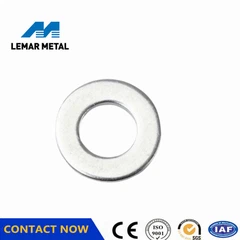
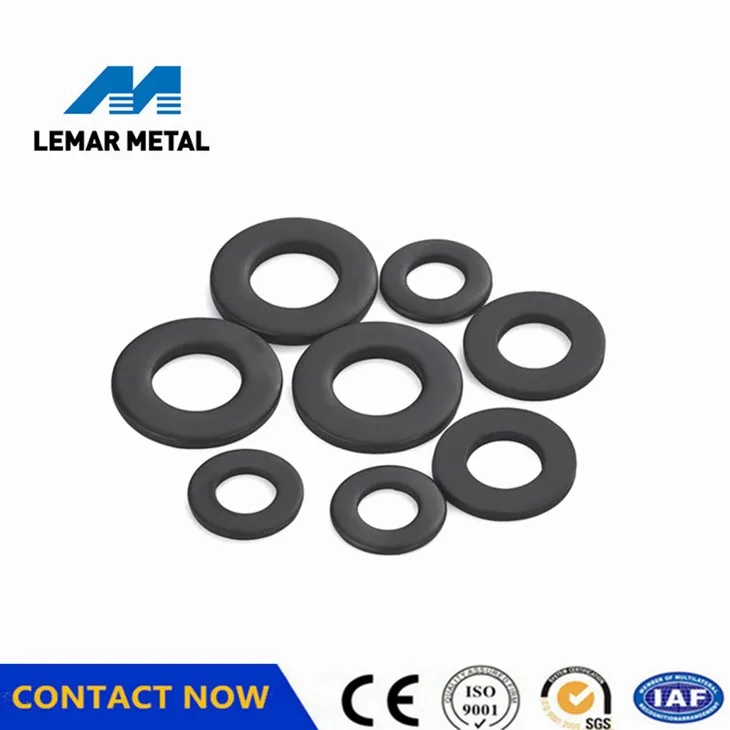
First off, let's understand what a flat washer is. A flat washer is a thin, flat, circular disk with a hole in the middle. They're used in countless applications, from simple DIY projects to high - tech machinery. You can find different types of flat washers on our website, like the Black Flat Washer, Stainless Steel 304 Flat Washer, and Flat Square Washer.
Now, what exactly is the load - bearing capacity of a flat washer? Well, it's the maximum amount of force or weight that a flat washer can withstand without deforming or failing. This capacity depends on several factors, and we'll dig into each of them.
Material
The material of the flat washer plays a huge role in determining its load - bearing capacity. For example, a stainless steel 304 flat washer is known for its corrosion resistance and relatively high strength. Stainless steel is an alloy that contains chromium, which forms a protective layer on the surface, preventing rust and other forms of corrosion. This makes it suitable for applications where the washer might be exposed to harsh environments.
On the other hand, a black flat washer, which is often made of carbon steel and then black - oxide coated for a bit of corrosion resistance, can also have a good load - bearing capacity. Carbon steel is strong and relatively inexpensive, but it's more prone to rust compared to stainless steel.
If you need a washer for a heavy - duty application, like in a large construction project or industrial machinery, stainless steel or high - grade carbon steel washers are usually your best bet. For lighter applications, like in a home DIY project, a basic carbon steel flat washer might do the job just fine.
Size
The size of the flat washer is another crucial factor. Generally, larger washers have a higher load - bearing capacity than smaller ones. This is because a larger washer has a greater surface area to distribute the load. When a force is applied to a washer, the pressure is spread out over the surface area. So, if you have a big flat washer, the force is distributed over a larger area, reducing the stress on any single point of the washer.
For instance, a flat square washer, which has a larger surface area compared to a regular circular flat washer of the same inner diameter, can handle more load. The shape also affects how the load is distributed. The square shape can provide better stability in some applications, especially when you need to prevent rotation.

Thickness
Thickness is directly related to the load - bearing capacity. A thicker flat washer can withstand more force than a thinner one. Thicker washers are more rigid and less likely to bend or deform under load. When you're dealing with high - pressure applications, using a thicker washer is a smart move.
However, you also need to consider the overall design and the space available for the washer. Sometimes, using a very thick washer might not be practical due to space constraints. In such cases, you might need to find a balance between the load - bearing capacity and the physical limitations of the application.
Surface Finish
The surface finish of a flat washer can also have an impact on its load - bearing capacity. A smooth surface finish can reduce friction between the washer and the mating surfaces. This is important because excessive friction can cause uneven loading and potentially lead to premature failure of the washer.
For example, a washer with a polished surface finish will have less resistance when it comes into contact with other parts. This allows the load to be distributed more evenly, increasing the overall load - bearing capacity. On the other hand, a rough - surfaced washer might cause more wear and tear on the mating parts and could potentially fail under a lower load.
Calculating the Load - Bearing Capacity
Calculating the exact load - bearing capacity of a flat washer can be quite complex. It usually involves some engineering calculations based on the material properties, size, and the type of load (static or dynamic). There are also some industry standards and guidelines that can help in estimating the load - bearing capacity.
For simple applications, you can often rely on the manufacturer's specifications. Most reputable flat washer suppliers, like us, provide information about the load - bearing capacity of their washers based on testing and industry standards. However, for more critical applications, it's always a good idea to consult with an engineer or a professional in the field.
Applications and Load - Bearing Requirements
Different applications have different load - bearing requirements. In the automotive industry, for example, flat washers are used in various parts, from the engine to the suspension system. In the engine, washers need to withstand high temperatures and vibrations, as well as significant mechanical loads. So, they need to have a high load - bearing capacity and good heat resistance.
In the electronics industry, the load - bearing requirements are usually much lower. Flat washers are often used to secure small components and provide a stable connection. In these cases, the focus might be more on the electrical conductivity and the prevention of corrosion rather than a high load - bearing capacity.
In construction, flat washers are used in everything from building frames to plumbing systems. For building frames, washers need to handle large static loads, ensuring the stability of the structure. In plumbing, they're used to seal joints and prevent leaks, and the load - bearing requirements are more about maintaining a proper seal under water pressure.
Testing and Quality Assurance
At our company, we take testing and quality assurance seriously. We test our flat washers to ensure they meet or exceed the industry standards for load - bearing capacity. We use advanced testing equipment to simulate different types of loads and environments.
For example, we conduct compression tests to measure the load - bearing capacity of our washers. In a compression test, a washer is placed between two plates, and a gradually increasing force is applied until the washer starts to deform. We record the maximum force at which the washer can withstand without significant deformation.
We also perform other tests, like corrosion resistance tests, to ensure the durability of our washers. By doing these tests, we can provide our customers with high - quality flat washers that they can trust.
Conclusion
In conclusion, the load - bearing capacity of a flat washer depends on multiple factors, including material, size, thickness, and surface finish. Understanding these factors is crucial for choosing the right washer for your application. Whether you're working on a small DIY project or a large - scale industrial application, selecting the appropriate flat washer can make a big difference in the performance and longevity of your project.
If you're in the market for flat washers and need help choosing the right ones based on the load - bearing requirements, don't hesitate to reach out. We're here to assist you in finding the perfect flat washers for your needs. We have a wide range of flat washers available, including the Black Flat Washer, Stainless Steel 304 Flat Washer, and Flat Square Washer. Contact us today to start a procurement discussion and get the best flat washers for your projects.
References
- "Mechanical Design Handbook" by Robert C. Juvinall and Kurt M. Marshek
- "Materials Science and Engineering: An Introduction" by William D. Callister Jr. and David G. Rethwisch
Send Inquiry