


How to Calibrate the Positioning Accuracy of a 3D Welding Platform?
Oct 24, 2025
Leave a message
I. Basic Equipment Calibration
1. Laser Power Calibration
Measure the actual output power using a power meter and compare it with the set value. Adjust the laser parameters or external controller to ensure consistency. Continuous wave mode requires stable power output, while pulsed mode requires ensuring uniform single-pulse energy.
2. Beam Quality Inspection
Evaluate the laser beam quality using an M² factor analyzer. If beam divergence or deviation is detected, check and adjust the optical components (such as mirrors and focusing lenses).
3. Defocus Adjustment
Select the defocus amount based on the material thickness: positive defocus (focus above the workpiece) is suitable for thin plates, and negative defocus (focus below the workpiece) is suitable for thick plates, to optimize the melt pool shape and heat-affected zone.
II. 3D Positioning Accuracy Calibration
1. 3-Axis Linear Error Calibration
Independently detect the linear displacement errors of the X, Y, and Z axes, mainly addressing lead screw pitch errors or wear issues.
2. Spatial Comprehensive Accuracy Calibration
Analyze the straightness, perpendicularity, and interaction relationships between the three axes using the cubic diagonal displacement measurement method (such as the ASME B5.54 standard) to evaluate the comprehensive positioning error within the working area.
3. Tool-Assisted Calibration
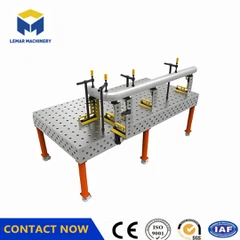
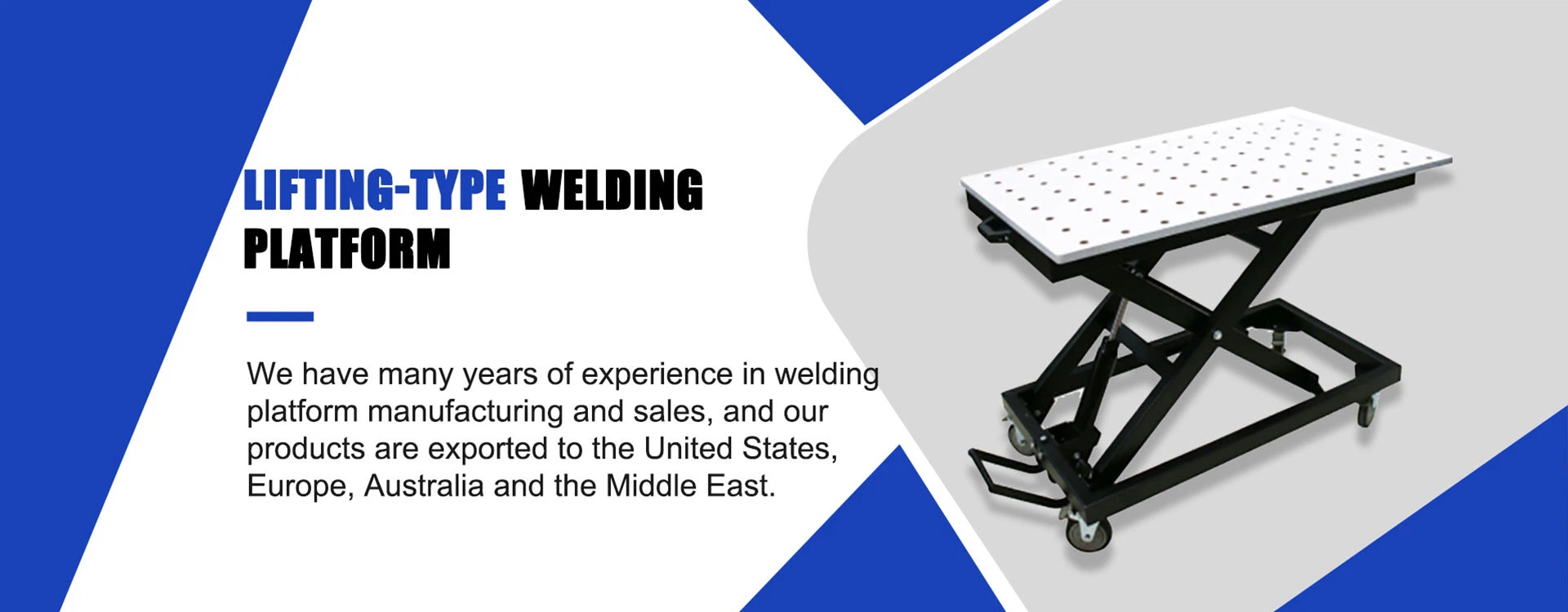
Use a 3D flexible welding platform (multi-hole positioning fixture) or a laser tracker to ensure consistent positioning benchmarks between the workpiece and the fixture, reducing assembly errors.
III. Verification and Process Optimization
1. Test Welding Verification
Select representative samples for test welding. Inspect the weld quality through ultrasonic testing, X-ray imaging, or metallographic analysis, and adjust parameters by comparing them with standard values.
2. Deformation Monitoring
Use a contact-type 3D coordinate measuring machine (such as BRTApe×710) to monitor welding deformation. Calculate the mid-plane coordinates using algorithms and optimize process parameters to reduce thermal deformation.
3. Routine Maintenance
Establish equipment calibration records, regularly check the cleanliness of optical components, the status of the cooling system, and the tightness of connectors, and train operators on proper operation procedures. IV. Recommended High-Precision Measurement Tools
3D Flexible Welding Platform: Provides multi-hole positioning functionality, compatible with robots or robotic arms, ensuring repeatable positioning accuracy (such as the D28 platform from Botou Xingtong Measuring Instruments, price approximately ¥17,500).
Contact Coordinate Measuring Machine: Used for high-precision detection of welding deformation (error range ±5μm).

Send Inquiry