

Are there any differences in weld nuts for different welding machines?
Jun 24, 2025
Leave a message
Are there any differences in weld nuts for different welding machines? Well, as a weld nut supplier, I've got a thing or two to share on this topic.
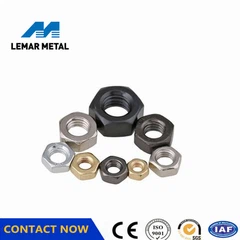
Let's start by understanding what weld nuts are. Weld nuts are basically nuts that are designed to be welded onto a metal surface. They're super useful in a bunch of industries, from automotive to construction. You can find different types of weld nuts out there, like the Square Spot Welding Nut and the Hexagon Spot Welding Nut. Each type has its own unique features and is suitable for different applications.
Now, onto the main question: Are there differences in weld nuts for different welding machines? The short answer is yes. Different welding machines have different ways of generating heat and applying pressure, and these factors can greatly affect the performance of weld nuts.


First up, let's talk about resistance welding machines. These are the most common type of welding machines used for welding nuts. Resistance welding works by passing an electric current through the parts to be welded, which generates heat due to the resistance of the metal. The heat melts the metal, and pressure is applied to join the parts together.
For resistance welding machines, the design of the weld nut is crucial. The nut needs to have a proper contact surface with the metal being welded. A Square Weld Nut might be a great choice for some applications because its square shape provides a larger contact area, which helps in distributing the heat and pressure more evenly. This results in a stronger and more reliable weld.
On the other hand, if you're using a projection welding machine, things are a bit different. Projection welding uses projections on the surface of the parts to be welded to concentrate the heat and pressure. In this case, the weld nut needs to have the right kind of projections. The size, shape, and number of projections can vary depending on the specific requirements of the welding machine and the application.
Another factor to consider is the material of the weld nut. Different welding machines can handle different materials better. For example, some welding machines are better suited for welding stainless steel nuts, while others work great with mild steel nuts. The material of the nut also affects its strength, corrosion resistance, and other properties. So, you need to choose the right material for your weld nut based on the welding machine you're using and the environment in which the welded part will be used.
Let's also talk about the size of the weld nut. Different welding machines have different capabilities when it comes to welding nuts of different sizes. Some machines are designed for small nuts, while others can handle larger ones. If you try to weld a nut that's too big or too small for your welding machine, you might end up with a poor-quality weld.
Now, I know what you're thinking. How do you choose the right weld nut for your welding machine? Well, it's not as complicated as it might seem. First, you need to understand the specifications of your welding machine. Look at the maximum and minimum current, voltage, and pressure that the machine can handle. Then, you need to consider the application. What kind of metal are you welding the nut to? What kind of strength and durability do you need?
Once you have a clear idea of these things, you can start looking at the different types of weld nuts available. You can consult with a weld nut supplier (like me!) to get some expert advice. We can help you choose the right nut based on your specific requirements.
In addition to the technical aspects, there are also some practical considerations when it comes to using weld nuts with different welding machines. For example, the ease of use and maintenance of the welding machine can affect the overall efficiency of the welding process. If a welding machine is difficult to operate or maintain, it can slow down your production and increase your costs.
Another thing to keep in mind is the safety of the welding process. Different welding machines have different safety features, and you need to make sure that you're using the weld nuts in a safe manner. Always follow the manufacturer's instructions and wear the appropriate safety gear.
So, in conclusion, there are definitely differences in weld nuts for different welding machines. The design, material, size, and other factors of the weld nut need to be carefully considered based on the capabilities of the welding machine and the requirements of the application.
If you're in the market for weld nuts and need some help choosing the right ones for your welding machine, don't hesitate to reach out. As a weld nut supplier, I've got the knowledge and experience to help you make the best choice. Whether you're working on a small DIY project or a large industrial production, I can provide you with high-quality weld nuts that will meet your needs.
References
- Welding Handbook, American Welding Society
- Metal Joining and Fabrication, Industrial Press Inc.
Send Inquiry