

Can anchor bolts be used in a ceiling?
Dec 24, 2025
Leave a message
Can anchor bolts be used in a ceiling? That's a question I get asked a lot as an anchor bolt supplier. I'm here to break it down for you, talk about the ins and outs, and let you know what to consider when you're thinking about using these bolts on your ceiling.
Let's start with the basics. Anchor bolts are super versatile. They're used to secure objects to different base materials, like concrete, brick, or masonry. You've probably seen them used in floors and walls to hold down heavy machinery, equipment, or even in construction for structural support. But ceilings? Well, that's a bit more of a specialized scenario, and there are some key things to think about.


First off, the weight of what you're hanging is crucial. Ceilings are different from floors and walls. They have to bear the load in a whole different way – gravity is pulling whatever you're hanging straight down. You wouldn't want to get halfway through installing a heavy chandelier or a large acoustic panel and find out the anchor bolts can't handle the weight. The last thing you want is for something to come crashing down and cause damage or, worse, injury.
So, how do you know if your anchor bolts can handle the load? You need to calculate the weight of the object you're hanging. This includes the weight of the fixture itself, plus any additional components like chains, wiring, or brackets. You also need to factor in dynamic loads, like vibrations from fans or the movement of people below. Once you've got a total weight, you can check the load - rating specifications of the anchor bolts.
As a supplier, I offer a wide range of anchor bolts with different load - bearing capacities. For example, L Shaped Concrete Anchors are pretty great. They provide a good grip in concrete ceilings, and their shape offers stability in different directions. If you need a bolt that can adapt to some flexing or movement, these might be the way to go.
Another option is Low Carbon Steel U - Bolt. These are strong and can be used in various applications, including in ceilings. They're particularly useful when you're looking to secure pipes or cables. The U - shape allows you to wrap around the object and then anchor it to the ceiling. Just make sure you check the load - rating for the specific size and grade of the U - bolt you're using.
The type of ceiling material is also a huge deal. You can't use the same anchor bolts for a drywall ceiling as you would for a concrete one. Drywall is a lot softer and more brittle. If you try to use heavy - duty anchor bolts designed for concrete, you might end up cracking the drywall. For drywall, you'll want to use toggle bolts or molly bolts. These types create a large surface area behind the drywall, distributing the weight and preventing the bolt from pulling through.
On the other hand, if you have a concrete or masonry ceiling, you've got more options. Regular expansion anchor bolts work well in concrete. They expand when tightened, creating a secure hold. You drill a hole in the ceiling, insert the bolt, and as you tighten the nut, the bolt expands and grips the sides of the hole.
But it's not just about getting the right type of anchor bolt. The installation process is key too. If you don't install the bolts correctly, you'll compromise their strength and stability. For instance, if the hole you drill in the ceiling is too big, the anchor bolt won't expand enough to grip properly. If it's too small, you might damage the bolt or the ceiling material.
Make sure you follow the manufacturer's instructions for drilling the holes and installing the bolts. You should also use the right tools. A good quality drill bit that's the correct size for your anchor bolt is essential. You might even want to use a level to ensure that the bolts are installed straight, especially if you're hanging multiple objects that need to be aligned.
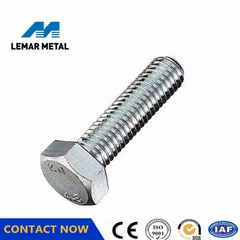
Galvanized Steel Hex Bolts are another popular choice in certain ceiling applications. These bolts are coated with zinc, which gives them good corrosion resistance. This is important, especially in areas where there might be high humidity or moisture. For example, in a bathroom or a basement ceiling, corrosion could weaken the bolts over time, putting your fixtures at risk.
When you're installing anchor bolts in a ceiling, safety should always be your top concern. If you're not experienced in working at heights or with power tools, it might be a good idea to hire a professional. Working on a ladder or scaffolding can be dangerous, and mistakes during the installation process can have serious consequences.
If you're confident in your abilities, though, there are some things you can do to stay safe. Wear safety goggles to protect your eyes from dust and debris when drilling. A hard hat is also a good idea in case something falls. And make sure your ladder or scaffolding is stable and set up correctly.
As an anchor bolt supplier, I'm here to help you make the right choice for your ceiling project. Whether you're working on a small home renovation or a large - scale commercial construction, we've got the products you need. Our team can also provide you with technical advice and support to ensure that you get the best results.
So, can anchor bolts be used in a ceiling? The answer is yes, but with the right considerations. You need to think about the weight of the object, the type of ceiling material, the load - bearing capacity of the bolts, and proper installation. If you take all these factors into account, you can use anchor bolts to safely and securely hang objects from your ceiling.
If you're interested in purchasing anchor bolts for your ceiling project or have any questions, don't hesitate to reach out. Just tell us about your needs, and we'll work with you to find the perfect solution.
References
- Engineering Construction Handbook: This handbook provides in - depth information on different types of construction materials and their applications, including anchor bolts.
- Manufacturer's product specifications: The product brochures and datasheets from anchor bolt manufacturers are a great source of information on load ratings, installation instructions, and material properties.
Send Inquiry