

Can hexagon nuts be used in electrical equipment?
Jun 13, 2025
Leave a message
Can hexagon nuts be used in electrical equipment? This is a question that often arises in the fields of electrical engineering and equipment manufacturing. As a hexagon nut supplier, I have extensive experience and knowledge on this topic. In this blog post, I will explore the suitability of hexagon nuts for electrical equipment, taking into account various factors such as material properties, electrical conductivity, and safety requirements.
Material Considerations
One of the primary considerations when using hexagon nuts in electrical equipment is the material they are made of. Different materials have different electrical and mechanical properties, which can significantly impact their performance in electrical applications.
Stainless Steel
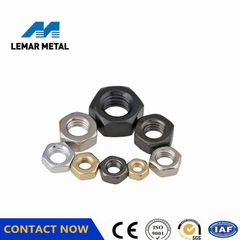
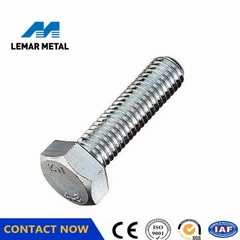
Stainless steel is a popular choice for hexagon nuts in electrical equipment due to its excellent corrosion resistance and mechanical strength. Stainless Steel Hex Thin Nut and Stainless Steel Hexagon Lock Nut are commonly used in electrical enclosures, control panels, and other equipment where protection against moisture and corrosion is essential. Stainless steel also has relatively low electrical resistance, which means it can conduct electricity effectively without causing excessive heat generation.
Brass
Brass is another material commonly used for hexagon nuts in electrical applications. Brass has good electrical conductivity, making it suitable for use in components where electrical current needs to flow smoothly. It is also relatively soft and malleable, which allows for easy installation and adjustment. However, brass is not as corrosion-resistant as stainless steel, so it may not be suitable for use in environments with high humidity or exposure to chemicals.
Zinc-Plated Steel
Zinc-plated steel hexagon nuts are often used in less critical electrical applications where cost is a major factor. The zinc plating provides a certain degree of corrosion protection, but it is not as durable as stainless steel or brass. Zinc-plated steel nuts may be used in wiring harnesses, junction boxes, and other non-critical components where the risk of corrosion is relatively low.
Electrical Conductivity
In electrical equipment, the electrical conductivity of the components is crucial for ensuring proper functioning. Hexagon nuts need to have sufficient electrical conductivity to allow for the flow of electrical current without causing significant voltage drops or heat generation.
When choosing hexagon nuts for electrical applications, it is important to consider the electrical conductivity of the material. As mentioned earlier, stainless steel, brass, and zinc-plated steel all have different levels of electrical conductivity. Stainless steel has a relatively low electrical resistance, which means it can conduct electricity effectively. Brass has even higher electrical conductivity than stainless steel, making it an excellent choice for applications where high conductivity is required. Zinc-plated steel has lower electrical conductivity than brass and stainless steel, but it may still be suitable for use in less critical applications.
It is also important to ensure that the hexagon nuts are properly tightened to maintain good electrical contact. Loose nuts can cause increased electrical resistance, which can lead to heat generation and potential electrical failures. Regular inspection and maintenance of the nuts are necessary to ensure that they remain securely tightened.
Safety Requirements
Safety is of utmost importance in electrical equipment. Hexagon nuts used in electrical applications must meet certain safety requirements to prevent electrical hazards such as short circuits, electrical shocks, and fires.
One of the key safety considerations is the insulation properties of the hexagon nuts. In some cases, it may be necessary to use insulated hexagon nuts to prevent electrical contact between different components. Insulated nuts can be made from materials such as plastic or rubber, which have high electrical resistance and can effectively isolate the electrical current.


Another safety consideration is the mechanical strength of the hexagon nuts. Electrical equipment is often subject to vibrations, shocks, and other mechanical stresses, so the nuts need to be strong enough to withstand these forces without loosening or breaking. Using high-quality hexagon nuts that meet the relevant mechanical standards is essential for ensuring the safety and reliability of the electrical equipment.
Applications in Electrical Equipment
Hexagon nuts are used in a wide range of electrical equipment and applications. Here are some common examples:
Electrical Enclosures
Electrical enclosures are used to house electrical components and protect them from environmental factors such as dust, moisture, and mechanical damage. Hexagon nuts are used to secure the enclosure doors, panels, and other components in place. Stainless steel hexagon nuts are often preferred for use in electrical enclosures due to their corrosion resistance and durability.
Control Panels
Control panels are used to control and monitor electrical systems. Hexagon nuts are used to mount switches, relays, meters, and other components on the control panel. Brass hexagon nuts may be used in control panels where good electrical conductivity is required.
Wiring Harnesses
Wiring harnesses are used to organize and protect electrical wires in a vehicle or other electrical equipment. Hexagon nuts are used to secure the wiring harnesses to the vehicle frame or other components. Zinc-plated steel hexagon nuts may be used in wiring harnesses due to their relatively low cost.
Conclusion
In conclusion, hexagon nuts can be used in electrical equipment, but it is important to choose the right material and ensure that they meet the necessary electrical and safety requirements. Stainless steel, brass, and zinc-plated steel are all commonly used materials for hexagon nuts in electrical applications, each with its own advantages and disadvantages. When selecting hexagon nuts for electrical equipment, it is essential to consider factors such as material properties, electrical conductivity, and safety requirements.
As a hexagon nut supplier, I am committed to providing high-quality products that meet the needs of my customers in the electrical industry. If you have any questions or need further information about hexagon nuts for electrical equipment, please feel free to contact me for a detailed discussion and procurement negotiation. I look forward to working with you to find the best solutions for your electrical applications.
References
- Electrical Engineering Handbook, Third Edition, edited by Richard C. Dorf
- Handbook of Electrical Conductivity of Metals, Second Edition, by H. L. Tuller
- Standards for Electrical Equipment, published by relevant national and international standards organizations
Send Inquiry