

Can I use a screw in a PVC material?
Oct 16, 2025
Leave a message
Using screws in PVC (Polyvinyl Chloride) materials is a common query among DIY enthusiasts, contractors, and professionals alike. As a dedicated screws supplier, I've encountered this question numerous times, and I'm here to provide a comprehensive answer.
Understanding PVC Material
PVC is a widely used thermoplastic polymer known for its durability, chemical resistance, and relatively low cost. It comes in various forms, including pipes, sheets, and fittings, and is used in a multitude of applications such as plumbing, construction, and signage. However, PVC has some unique properties that need to be considered when using screws.


One of the key characteristics of PVC is its relatively low hardness compared to metals. This means that it can be easily damaged if the wrong type of screw or installation method is used. Additionally, PVC expands and contracts with temperature changes more than metals, which can put stress on the screws over time.
Types of Screws Suitable for PVC
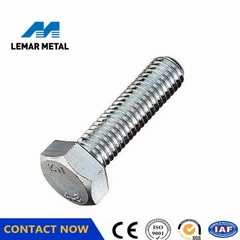
Not all screws are created equal when it comes to PVC. The right screw should be able to penetrate the PVC without causing excessive cracking or splitting, and it should hold securely in place. Here are some types of screws that are commonly used with PVC:
- Slotted Flat Head Machine Screw: These screws have a flat head that sits flush with the surface of the PVC. They are often used in applications where a smooth finish is desired. The slotted design allows for easy installation with a standard screwdriver. You can find more information about Slotted Flat Head Machine Screw.
- Flat Head Knurled Thumb Screw: These screws have a knurled head that provides a good grip for manual tightening. They are ideal for applications where the screw needs to be adjusted or removed frequently. The flat head design also ensures a flush finish. Check out Flat Head Knurled Thumb Screw for more details.
- Stainless Steel Thumb Screws: Stainless steel is a corrosion-resistant material, making these screws suitable for outdoor or wet environments. The thumb screw design allows for easy hand tightening, without the need for tools. Learn more about Stainless Steel Thumb Screws.
Factors to Consider When Using Screws in PVC
Before using screws in PVC, there are several factors that need to be taken into account:
- Screw Size: The size of the screw is crucial. A screw that is too large can cause the PVC to crack, while a screw that is too small may not provide enough holding power. It's important to choose a screw that is the right diameter and length for the application.
- Pre-Drilling: Pre-drilling holes in the PVC can help prevent cracking and splitting. The size of the drill bit should be slightly smaller than the diameter of the screw. This allows the screw to thread into the PVC without causing excessive stress.
- Installation Technique: When installing screws in PVC, it's important to use a slow and steady motion. Applying too much force can cause the PVC to crack. It's also a good idea to use a screwdriver or drill with a clutch to prevent over-tightening.
- Environmental Conditions: If the PVC will be exposed to extreme temperatures or moisture, it's important to choose a screw that is suitable for these conditions. Stainless steel screws are a good choice for outdoor or wet environments, as they are corrosion-resistant.
Benefits of Using Screws in PVC
Using screws in PVC offers several benefits:
- Easy Installation: Screws are relatively easy to install, especially compared to other fastening methods such as adhesives or welding. This makes them a popular choice for DIY projects.
- Removability: Screws can be easily removed and reinstalled, which is useful if you need to make changes or repairs to the PVC.
- Adjustability: Screws allow for some degree of adjustability, which can be useful in applications where precise alignment is required.
Potential Challenges and How to Overcome Them
While using screws in PVC has many benefits, there are also some potential challenges that you may encounter:
- Cracking and Splitting: As mentioned earlier, PVC can crack or split if the wrong type of screw or installation method is used. To overcome this, make sure to choose the right screw size and pre-drill the holes.
- Loosening Over Time: Due to the expansion and contraction of PVC with temperature changes, screws may loosen over time. To prevent this, you can use a thread-locking compound or a washer to provide additional friction.
- Corrosion: If the screws are exposed to moisture or chemicals, they may corrode over time. To prevent this, choose a screw made from a corrosion-resistant material such as stainless steel.
Conclusion
In conclusion, yes, you can use screws in PVC materials, but it's important to choose the right type of screw and follow the proper installation techniques. By considering the factors mentioned above, you can ensure a secure and long-lasting connection. As a screws supplier, I'm committed to providing high-quality screws and expert advice to help you with your projects. If you have any questions or need assistance in choosing the right screws for your PVC application, please don't hesitate to contact me for a procurement discussion.
References
- ASTM International. (Year). Standard Specification for Poly (Vinyl Chloride) (PVC) Plastic Pipe, Schedule 40. ASTM D1785.
- National Association of Home Builders. (Year). PVC Installation Guide.
Send Inquiry