

Do cross screws require pre - drilling?
Oct 15, 2025
Leave a message
As a supplier of cross screws, I often encounter questions from customers regarding the necessity of pre - drilling when using cross screws. This topic is crucial as it can significantly impact the efficiency, effectiveness, and overall quality of a project. In this blog post, I will delve into the factors that determine whether cross screws require pre - drilling and provide insights based on my experience in the industry.


Understanding Cross Screws
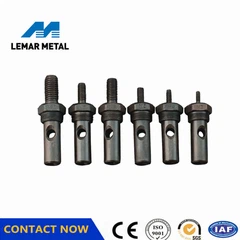
Cross screws, also known as Phillips screws, are widely used in various industries due to their ease of use and compatibility with power tools. The cross - shaped recess in the screw head allows for a better grip and reduces the likelihood of the screwdriver slipping out during installation. Our company offers a wide range of cross screws, including Captive Panel Screw, Flat Head Drill Tail Screws, and Pan Head Self Tapping Screw, each designed for specific applications.
Factors Influencing the Need for Pre - Drilling
Material of the Workpiece
One of the most significant factors in determining whether pre - drilling is necessary is the material of the workpiece.
Soft Materials
When working with soft materials such as wood, plastic, or some types of foam, pre - drilling may not always be required. Soft materials are more forgiving and can often accommodate the screw without the need for a pre - drilled hole. For example, when using a cross - head screw to attach a wooden panel to a frame, the screw can easily cut through the wood fibers. However, it is important to note that if the wood is very dense or has a hard grain, pre - drilling can prevent the wood from splitting.
Hard Materials
In contrast, hard materials like metal, concrete, or hardwood require pre - drilling. These materials are too tough for the screw to penetrate on its own, and attempting to drive a screw without pre - drilling can lead to several problems. The screw may break, the head may strip, or the workpiece may crack. For instance, when using a cross screw to fasten a metal plate to a steel structure, pre - drilling a pilot hole of the appropriate size ensures that the screw can be inserted smoothly and securely.
Screw Size and Type
The size and type of the cross screw also play a role in the need for pre - drilling.
Large - Sized Screws
Larger screws have a greater diameter and require more force to insert. As a result, pre - drilling is often necessary to prevent damage to the workpiece and the screw. For example, a large - diameter cross - head screw used in construction projects may need a pre - drilled hole to ensure proper alignment and to reduce the risk of the screw bending during installation.
Self - Tapping Screws
Some cross screws, such as self - tapping screws, are designed to create their own threads as they are inserted into the material. These screws can sometimes be used without pre - drilling, especially in softer materials. Our Pan Head Self Tapping Screw is a good example. However, in harder materials, even self - tapping screws may benefit from a small pre - drilled pilot hole to make the insertion process easier and more secure.
Application and Load Requirements
The application and the load that the screw will bear are important considerations.
Light - Duty Applications
In light - duty applications, such as attaching a small plastic part or a thin wooden trim, pre - drilling may not be essential. The screw can provide sufficient holding power without the need for a pre - drilled hole. For example, when using a cross screw to attach a plastic cover to an electronic device, the screw can be driven directly into the plastic.
Heavy - Duty Applications
For heavy - duty applications, such as building a structural frame or securing machinery, pre - drilling is usually required. The pre - drilled hole ensures that the screw can be tightened properly and can withstand the high loads and stresses. A Captive Panel Screw used in an industrial setting may need a pre - drilled hole to ensure a reliable connection.
Benefits of Pre - Drilling
Even when it is not strictly necessary, pre - drilling can offer several benefits.
Preventing Damage
Pre - drilling helps prevent damage to the workpiece and the screw. As mentioned earlier, it can prevent splitting in wood, cracking in brittle materials, and breaking or stripping of the screw. This ensures that the final assembly is of high quality and has a longer lifespan.
Improved Alignment
A pre - drilled hole provides a guide for the screw, ensuring that it is inserted straight and at the correct angle. This is particularly important in applications where precise alignment is required, such as in machinery or furniture assembly.
Easier Installation
Pre - drilling reduces the force required to insert the screw, making the installation process easier and faster. This is especially beneficial when working with a large number of screws or in hard - to - reach areas.
When Pre - Drilling May Not Be Necessary
As discussed, in some cases, pre - drilling may not be required. However, it is important to assess the situation carefully.
Soft and Thin Materials
As mentioned earlier, soft and thin materials like thin plastic sheets or very soft wood may not need pre - drilling. However, it is still advisable to test a small area first to ensure that the screw can be inserted without causing damage.
Self - Drilling Screws
Some cross screws are designed with a drill - tip that allows them to penetrate the material without pre - drilling. Our Flat Head Drill Tail Screws are an example. These screws can save time and effort in certain applications.
Conclusion
In conclusion, whether cross screws require pre - drilling depends on several factors, including the material of the workpiece, the size and type of the screw, and the application and load requirements. As a cross screw supplier, I recommend carefully assessing each situation to determine the best approach. Pre - drilling is often beneficial, especially in hard materials and heavy - duty applications, as it can prevent damage, improve alignment, and make installation easier.
If you have any questions about our cross screws or need advice on the appropriate screw for your project, please feel free to contact us. We are here to help you make the right choice and ensure the success of your project.
References
- "Fasteners Handbook" - A comprehensive guide on fasteners and their applications.
- Industry standards and guidelines for screw installation in different materials.
Send Inquiry