




Do slotted nuts need to be lubricated?
Dec 11, 2025
Leave a message
As a seasoned slotted nut supplier, I've encountered numerous inquiries regarding the necessity of lubricating slotted nuts. This topic is not only significant from a technical perspective but also has far - reaching implications for various industries that rely on these nuts for their operations. In this blog, we'll delve deep into the question: Do slotted nuts need to be lubricated?
Understanding Slotted Nuts
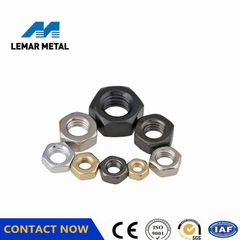
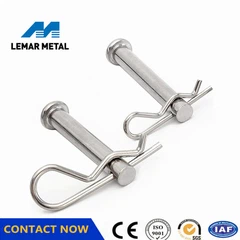
Slotted nuts are unique fasteners characterized by slots cut into the top half of the nut. These slots are designed to accommodate a cotter pin, which passes through a hole in the bolt and the slots of the nut. This arrangement prevents the nut from loosening due to vibration, rotation, or other external forces. There are different types of slotted nuts available in the market, such as Steel Hex Castle Nut, Hex Slotted Castle Nut, and Slotted Round Nuts. Each type serves specific applications, ranging from automotive and aerospace to machinery and construction.
The Case for Lubrication
1. Reducing Friction
Lubrication acts as a barrier between the nut and the bolt threads, significantly reducing friction. When friction is high, more torque is required to tighten the nut to the desired level. Excessive torque can lead to over - tightening, which may cause thread damage, bolt breakage, or even structural failure in the long run. By applying a suitable lubricant, we can achieve the correct pre - load with less effort, ensuring that the slotted nut is tightened to the appropriate specification without causing damage.


2. Preventing Galling
Galling is a form of adhesive wear that occurs when two metal surfaces rub against each other under high pressure and friction. In the case of slotted nuts, galling can make it difficult to remove or adjust the nut, and it can also compromise the integrity of the threads. Lubrication provides a protective film that separates the metal surfaces, preventing direct contact and thus reducing the risk of galling. This is especially important in applications where the slotted nuts need to be frequently removed and reinstalled.
3. Corrosion Protection
Many industrial environments expose slotted nuts to moisture, chemicals, and other corrosive agents. Lubricants can provide a layer of protection against corrosion by preventing oxygen and moisture from reaching the metal surface. This is crucial for maintaining the strength and functionality of the slotted nuts over time. For example, in marine applications, where the nuts are constantly exposed to saltwater, proper lubrication can significantly extend the service life of the fasteners.
Situations Where Lubrication May Not Be Necessary
1. Low - Vibration Environments
In some applications where there is minimal vibration, such as static structures or equipment with very low - speed operation, the risk of the slotted nut loosening is relatively low. In these cases, the need for lubrication to prevent loosening may be diminished. However, it's important to note that other factors like corrosion and galling still need to be considered.
2. Non - Critical Applications
For applications where the mechanical performance requirements are not very strict, the benefits of lubrication may be less pronounced. For example, in some low - cost consumer products where the slotted nuts are used for simple assembly and do not experience high loads or stress, the decision to lubricate may depend more on cost - effectiveness than on technical necessity.
Choosing the Right Lubricant
If you decide to lubricate your slotted nuts, it's essential to choose the right lubricant. Here are some factors to consider:
1. Compatibility
The lubricant should be compatible with the materials of the nut and the bolt. For example, some lubricants may react with certain metals, causing corrosion or other forms of damage. It's important to consult the lubricant manufacturer's specifications to ensure compatibility.
2. Temperature Resistance
Different applications may require lubricants with different temperature resistance properties. In high - temperature environments, the lubricant should not break down or lose its effectiveness. On the other hand, in low - temperature applications, the lubricant should remain fluid to maintain its lubricating properties.
3. Load - Carrying Capacity
The lubricant should be able to withstand the loads applied to the slotted nut and bolt. A lubricant with a high load - carrying capacity can prevent metal - to - metal contact under heavy loads, reducing wear and ensuring reliable performance.
Lubrication Application
Proper application of the lubricant is also crucial for achieving the desired results. Here are some general guidelines:
1. Clean the Threads
Before applying the lubricant, it's important to clean the threads of the nut and the bolt to remove any dirt, debris, or old lubricant. This ensures that the new lubricant can adhere properly to the metal surface and provide effective lubrication.
2. Apply the Right Amount
Applying too little lubricant may not provide sufficient protection, while applying too much can lead to mess and potential problems. Follow the manufacturer's recommendations for the appropriate amount of lubricant to apply.
3. Even Distribution
The lubricant should be evenly distributed along the threads of the nut and the bolt. This can be achieved by applying the lubricant with a brush or by using a lubricant dispenser.
Conclusion
In conclusion, whether slotted nuts need to be lubricated depends on various factors, including the application environment, the type of load, and the potential for corrosion and wear. In most cases, lubrication offers significant benefits in terms of reducing friction, preventing galling, and protecting against corrosion. However, in some low - stress or non - critical applications, the need for lubrication may be less urgent.
As a slotted nut supplier, we are committed to providing high - quality products and technical support to help our customers make the right decisions. If you have any questions about slotted nut lubrication or need to purchase slotted nuts for your project, please feel free to contact us for a detailed discussion. We look forward to working with you to meet your specific requirements.
References
- Machinery's Handbook, 31st Edition
- Fastener Technology Institute Publications
- Lubricant Manufacturer's Technical Data Sheets
Send Inquiry