

Do slotted nuts require a cotter pin?
Jul 24, 2026
Leave a message
Do slotted nuts require a cotter pin? This is a question that often pops up in the world of fasteners. As a slotted nut supplier, I've had my fair share of customers asking about this. So, let's dive into it and see what the deal is.
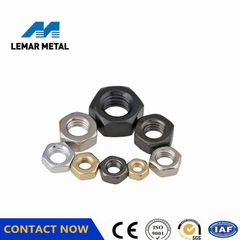
First off, let's understand what slotted nuts are. Slotted nuts come in different shapes and sizes. You've got the Slotted Hex Nut, which is a common type. It has slots on the top part, and these slots play a crucial role. Then there's the Hexagon Castle Nut, which looks a bit like a castle with its raised sections and slots. And don't forget the Slotted Round Nuts, which are round in shape but still have those characteristic slots.
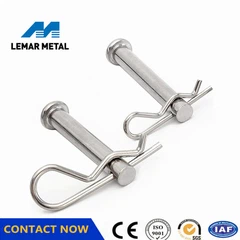
Now, the main purpose of a slotted nut is to be used in conjunction with a cotter pin. The cotter pin is a thin, split pin that is inserted through the slots in the nut and the hole in the bolt. Once the cotter pin is in place, it prevents the nut from loosening due to vibration or other forces. This is especially important in applications where safety is a concern, like in automotive, aerospace, and machinery.
Let's take a look at some real - world examples. In a car's suspension system, slotted nuts are often used to secure important components. The constant vibrations from driving can cause regular nuts to loosen over time. But when you use a slotted nut with a cotter pin, it adds an extra layer of security. The cotter pin acts as a physical barrier, stopping the nut from turning and coming off.
However, not all situations require a cotter pin with a slotted nut. There are some cases where the application doesn't experience high levels of vibration or where the load on the nut is relatively low. For example, in a simple DIY project at home, you might use a slotted nut without a cotter pin if you're just holding a light - weight component in place.
Another factor to consider is the cost. Using a cotter pin adds to the overall cost of the fastener assembly. If you're working on a large - scale project with thousands of nuts, the cost of cotter pins can start to add up. So, you need to weigh the benefits of using a cotter pin against the cost.
When it comes to installation, using a cotter pin with a slotted nut can be a bit tricky. You need to make sure the cotter pin is inserted correctly through the slots and the bolt hole. If it's not inserted properly, it won't work effectively. You also need to bend the ends of the cotter pin to keep it in place. This requires a bit of skill and the right tools.
As a slotted nut supplier, I often get asked about the quality of the cotter pins. It's important to use high - quality cotter pins that are made from the right material. A cheap or low - quality cotter pin might break or bend easily, which defeats the purpose of using it in the first place.
In some industries, there are specific standards and regulations regarding the use of slotted nuts and cotter pins. For example, in the aerospace industry, strict guidelines are in place to ensure the safety and reliability of the fasteners. So, if you're working in a regulated industry, you need to make sure you're following the proper procedures.
Now, let's talk about the types of materials used for slotted nuts and cotter pins. Slotted nuts can be made from various materials such as steel, stainless steel, and brass. The choice of material depends on the application. For example, stainless steel is a good choice for applications where corrosion resistance is important, like in marine environments.
Cotter pins are also available in different materials. Steel cotter pins are the most common, but you can also find stainless steel and brass ones. Again, the material choice depends on the application and the environment.
If you're in the market for slotted nuts, whether you need them with or without cotter pins, I'm here to help. I can provide you with high - quality slotted nuts in different sizes and materials. And if you have any questions about using cotter pins or the best type of slotted nut for your application, just reach out. We can have a chat and figure out the best solution for you.


In conclusion, while slotted nuts don't always require a cotter pin, in many applications, using a cotter pin is a smart choice. It adds an extra level of security and helps prevent the nut from loosening. As a slotted nut supplier, I'm committed to providing you with the best products and advice. So, if you're thinking about a project that involves slotted nuts, don't hesitate to contact me. Let's work together to find the perfect fastener solution for your needs.
If you're interested in purchasing slotted nuts or have any questions about our products, feel free to reach out for a procurement discussion. We're here to assist you every step of the way.
Send Inquiry