






How do I prevent over - tightening of lock nuts?
Jul 07, 2026
Leave a message
As a seasoned lock nut supplier, I've encountered numerous challenges and queries from customers over the years. One of the most common issues that often arises is the problem of over - tightening lock nuts. Over - tightening can lead to a variety of problems, including damage to the nut itself, the mating part, and even compromise the integrity of the entire assembly. In this blog, I'll share some effective strategies to prevent over - tightening of lock nuts.
Understanding the Consequences of Over - Tightening
Before delving into prevention methods, it's crucial to understand why over - tightening is such a concern. When a lock nut is over - tightened, excessive stress is applied to the threads. This can cause the threads to strip, which means the ridges on the nut and the bolt that are supposed to hold them together become damaged. Once the threads are stripped, the nut can no longer provide a secure connection.
Moreover, over - tightening can also lead to deformation of the nut or the mating surface. For instance, in a metal - to - metal connection, the high pressure from over - tightening can cause the metal to warp or crack. This not only weakens the joint but can also lead to premature failure of the assembly. In some applications, such as in automotive or aerospace industries, the failure of a single lock nut due to over - tightening can have catastrophic consequences.
Using the Right Tools
One of the most fundamental ways to prevent over - tightening is to use the appropriate tools. A torque wrench is an indispensable tool in this regard. A torque wrench allows you to apply a specific amount of torque to the lock nut. By setting the torque wrench to the recommended value for your particular application, you can ensure that the nut is tightened to the correct level.
For example, if you're working with a small - sized lock nut in a delicate electronic device, the recommended torque might be relatively low. Using a regular wrench in this case could easily lead to over - tightening. However, a torque wrench set to the appropriate value will prevent this from happening.
It's also important to ensure that your tools are in good condition. A worn - out or damaged wrench can provide inconsistent torque, increasing the risk of over - tightening. Regularly inspect your tools and replace them if necessary.

Referring to Manufacturer's Specifications
Every lock nut is designed with specific requirements in mind. The manufacturer provides detailed specifications regarding the recommended torque values for different sizes and types of lock nuts. These specifications take into account factors such as the material of the nut, the type of application, and the mating surface.
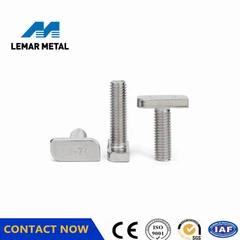
As a lock nut supplier, I always emphasize the importance of referring to these specifications. For instance, if you're using a T-Nut With Ball, the manufacturer will specify the optimal torque range for proper installation. Ignoring these guidelines can result in over - tightening and subsequent problems.
In addition to torque values, the manufacturer may also provide information on the proper installation procedure. Some lock nuts may require a specific sequence of tightening steps, or they may need to be lubricated before installation. Following these instructions precisely can help prevent over - tightening and ensure a reliable connection.
Training and Skill Development
Proper training of the personnel involved in the installation process is essential. Even with the right tools and specifications, if the installer lacks the necessary skills and knowledge, over - tightening can still occur.
Training programs should cover topics such as the correct use of torque wrenches, understanding the manufacturer's specifications, and identifying the signs of over - tightening. For example, an experienced installer can recognize when a nut is starting to bind or when the torque required to turn the nut is increasing abnormally.
Regular skill development sessions can also help installers stay updated on the latest techniques and best practices. This is especially important as new types of lock nuts are constantly being developed, each with its own unique installation requirements.
Conducting Regular Inspections
Once the lock nuts are installed, regular inspections are necessary to ensure that they remain properly tightened and that there are no signs of over - tightening. Inspections can be carried out visually or using non - destructive testing methods.
During a visual inspection, look for signs such as cracked nuts, deformed mating surfaces, or stripped threads. If you notice any of these signs, it's likely that the nut has been over - tightened. Non - destructive testing methods, such as ultrasonic testing, can be used to detect internal damage that may not be visible to the naked eye.
Regular inspections also allow you to identify any potential issues early on and take corrective action before they lead to more serious problems. For example, if a lock nut is found to be slightly over - tightened during an inspection, it can be loosened and retightened to the correct torque.
Considering the Application Environment
The environment in which the lock nut is used can also have an impact on the risk of over - tightening. For example, in a high - vibration environment, the lock nut may need to be tightened more securely to prevent it from loosening. However, this does not mean that over - tightening is acceptable.
Instead, you may need to use additional locking mechanisms, such as lock washers or thread - locking compounds. These can help keep the nut in place without the need for excessive torque. In a corrosive environment, on the other hand, the material of the lock nut and the mating part may be more prone to damage from over - tightening. In such cases, it's important to choose the right materials and coatings to protect against corrosion and ensure a proper connection.
Using Lock Nuts with Built - in Torque Limiting Features
Some modern lock nuts come with built - in torque limiting features. These nuts are designed to stop tightening once a certain torque level is reached. This can be a very effective way to prevent over - tightening, especially in situations where multiple nuts need to be tightened to the same torque value.
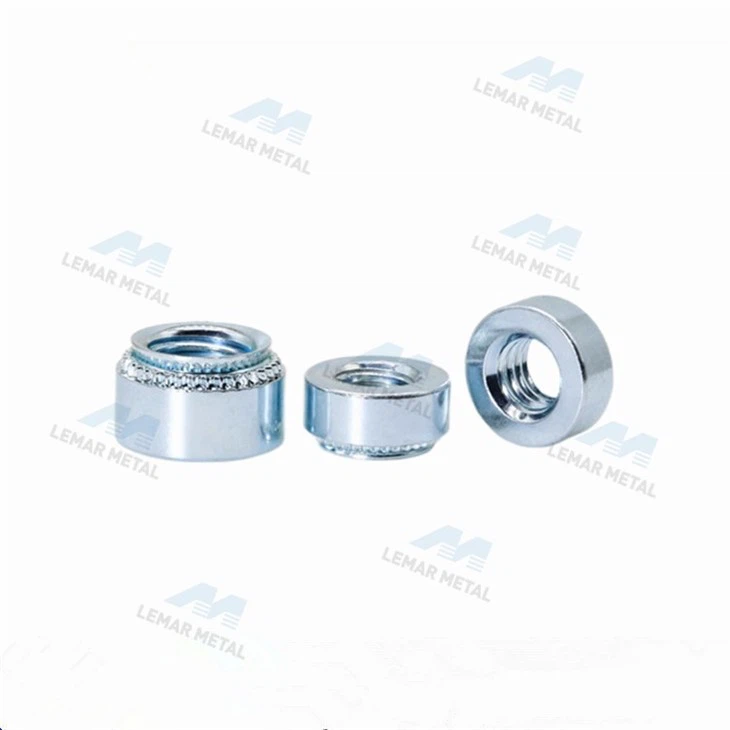
For example, Pressing In Nut and Wood Insert Nut may have specific designs or mechanisms that limit the amount of torque that can be applied. By using these types of lock nuts, you can reduce the risk of over - tightening and ensure consistent installation results.
Conclusion
Preventing over - tightening of lock nuts is a multi - faceted process that involves using the right tools, referring to manufacturer's specifications, providing proper training, conducting regular inspections, considering the application environment, and using lock nuts with built - in torque limiting features. As a lock nut supplier, I'm committed to providing high - quality products and sharing my knowledge and expertise to help my customers avoid the problems associated with over - tightening.
If you're in need of lock nuts for your project or have any questions about preventing over - tightening, I encourage you to reach out for a procurement discussion. I'm here to assist you in finding the best solutions for your specific needs.
Send Inquiry