

How do you prevent bolts from loosening?
May 15, 2025
Leave a message
Hey there! I'm a bolts supplier, and one question I get a lot from my customers is how to prevent bolts from loosening. It's a crucial issue because loose bolts can lead to all sorts of problems, from equipment malfunction to safety hazards. So, I'm here to share some tips and tricks that I've picked up over the years in the business.
First off, let's understand why bolts loosen in the first place. There are a few main reasons. Vibration is a big one. When machinery is running, it creates vibrations that can gradually shake the bolts loose. Another reason is thermal expansion and contraction. If the temperature around the bolts changes significantly, the materials expand and contract, which can cause the bolts to lose their tightness. And then there's just plain old wear and tear over time.
Now, let's dive into the ways to prevent this from happening.

Using Locking Devices
One of the most common ways to prevent bolt loosening is by using locking devices. There are several types available, and each has its own advantages.
Lock Washers
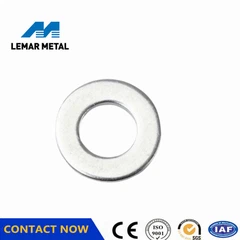
Lock washers are a classic choice. They work by creating a spring-like tension between the nut and the surface it's tightened against. This tension helps to keep the nut from turning. There are different kinds of lock washers, like split washers and toothed washers. Split washers have a split in them, which creates the spring action when tightened. Toothed washers, on the other hand, have teeth that dig into the surface, providing extra grip. They're pretty effective, especially in low-vibration environments.
Nylon Insert Lock Nuts
These nuts have a nylon insert near the top. When the nut is tightened onto the bolt, the nylon insert gets compressed, creating a friction that resists loosening. They're great for applications where vibration is an issue, and they can be reused a few times. Just make sure to check the nylon insert for wear and tear over time.

Double Nuts
Using two nuts on a bolt can also be an effective locking method. The first nut is tightened onto the bolt, and then the second nut is tightened against the first one. This creates a locking effect by putting pressure on the threads in opposite directions. It's a simple and cost-effective solution, but it does require a bit more time and effort to install.
Thread Locking Compounds
Thread locking compounds are another great option. These are adhesives that are applied to the threads of the bolt before assembly. Once the nut is tightened, the compound cures and creates a strong bond between the threads, preventing them from loosening.

There are two main types of thread locking compounds: anaerobic and epoxy. Anaerobic compounds cure in the absence of air, which means they only harden when they're between the threads of the bolt and nut. They're available in different strengths, from low-strength for easy disassembly to high-strength for permanent locking. Epoxy compounds, on the other hand, require mixing before use and offer even stronger bonding.
The great thing about thread locking compounds is that they can be used in a wide range of applications, and they're very effective at preventing vibration-induced loosening. Just make sure to follow the manufacturer's instructions for application and curing times.
Proper Installation
Proper installation is key to preventing bolt loosening. Here are some important steps to follow:
Clean the Threads
Before installing the bolts, make sure the threads are clean and free of dirt, grease, or debris. This ensures a proper fit and helps the locking devices or compounds work effectively.
Use the Right Torque
Using the correct torque when tightening the bolts is crucial. Too little torque, and the bolts may not be tight enough to stay in place. Too much torque, and you could damage the threads or the components. Refer to the manufacturer's specifications for the recommended torque values, and use a torque wrench to ensure accurate tightening.
Check for Alignment
Make sure the holes in the components are properly aligned before inserting the bolts. Misaligned holes can cause the bolts to be under stress, which can lead to loosening over time.
Our Antiluce Drop Lock Solution
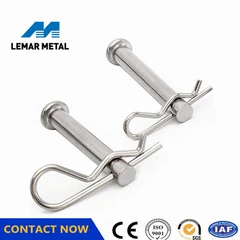
At our company, we offer a great product called the Antiluce Drop Lock. It's a revolutionary locking solution that combines the best of both worlds. It uses a unique design that creates a strong locking force while also being easy to install and remove.
The Antiluce Drop Lock is made from high-quality materials that are resistant to corrosion and wear. It's suitable for a wide range of applications, from automotive to industrial machinery. Whether you're dealing with high-vibration environments or just want to ensure a secure connection, the Antiluce Drop Lock is a great choice.
Regular Inspection and Maintenance
Even if you've taken all the necessary steps to prevent bolt loosening, it's still important to regularly inspect and maintain your equipment. Check the bolts periodically for signs of loosening, such as visible movement or a change in torque. If you notice any issues, tighten the bolts immediately or replace them if necessary.
Also, keep an eye on the locking devices and compounds. Over time, they may wear out or lose their effectiveness. Replace them as needed to ensure continued protection against bolt loosening.
Conclusion
Preventing bolts from loosening is an important part of maintaining the safety and reliability of your equipment. By using locking devices, thread locking compounds, following proper installation procedures, and regularly inspecting and maintaining your bolts, you can significantly reduce the risk of loosening.
If you're in the market for high-quality bolts and locking solutions, don't hesitate to reach out to us. We're here to help you find the right products for your needs and ensure that your equipment stays in top condition. Contact us today to start the procurement process and let's have a chat about how we can work together.
References
- Machinery's Handbook, 31st Edition
- Fastener Technology Handbook, 2nd Edition
- Various industry publications and research papers on bolt fastening and locking technologies.
Send Inquiry