

How to ensure the proper fit of a hexagon nut?
May 08, 2026
Leave a message
Ensuring the proper fit of a hexagon nut is crucial in various applications, whether it's in the automotive, construction, or manufacturing industries. As a hexagon nut supplier, I understand the significance of providing nuts that fit perfectly to ensure the safety and functionality of the assembled components. In this blog post, I will share some insights on how to ensure the proper fit of a hexagon nut.
Understanding the Basics of Hexagon Nuts
Before delving into the details of ensuring a proper fit, it's essential to understand the basic characteristics of hexagon nuts. Hexagon nuts, as the name suggests, have six sides, which provide a convenient shape for gripping with a wrench. They are typically used in conjunction with bolts or screws to secure two or more components together.
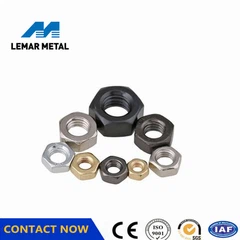
Hexagon nuts come in various materials, including steel, brass, stainless steel, and nylon. Each material has its own unique properties, such as strength, corrosion resistance, and conductivity. For example, Brass Machine Nut is known for its excellent corrosion resistance and electrical conductivity, making it suitable for applications in the electrical and plumbing industries. On the other hand, Stainless Steel Hexagon Lock Nut offers high strength and corrosion resistance, making it ideal for outdoor and high-stress applications. Nylon Hex Nut is often used for its vibration resistance and self-locking properties.
Measuring the Thread Size
The first step in ensuring the proper fit of a hexagon nut is to accurately measure the thread size of the bolt or screw it will be used with. The thread size is typically specified by the diameter and the pitch. The diameter is the measurement across the threads, while the pitch is the distance between adjacent threads.
To measure the diameter, you can use a caliper or a thread gauge. A caliper provides a more precise measurement, while a thread gauge is a quick and easy way to determine the thread size. To measure the pitch, you can use a pitch gauge, which has a series of teeth that match different thread pitches.
It's important to note that there are different thread standards, such as the Unified Thread Standard (UTS) and the Metric Thread Standard. Make sure to use the appropriate measuring tools and standards for the specific application.
Selecting the Right Nut Material
As mentioned earlier, the material of the hexagon nut plays a crucial role in its performance. When selecting a nut material, consider the following factors:
- Strength: The nut should be strong enough to withstand the forces applied during assembly and use. For high-stress applications, choose a nut made of a high-strength material, such as stainless steel or alloy steel.
- Corrosion Resistance: If the nut will be exposed to moisture or corrosive environments, choose a material with good corrosion resistance, such as brass or stainless steel.
- Conductivity: In electrical applications, the nut should have good electrical conductivity. Brass is a popular choice for electrical applications due to its high conductivity.
- Vibration Resistance: If the assembly will be subject to vibrations, choose a nut with good vibration resistance, such as a nylon-insert lock nut or a prevailing torque lock nut.
Checking the Nut Dimensions
In addition to the thread size, it's important to check the other dimensions of the hexagon nut, such as the width across flats, the height, and the chamfer. These dimensions should be within the specified tolerances to ensure a proper fit.
The width across flats is the measurement between the opposite flat sides of the hexagon nut. It should match the size of the wrench or socket that will be used to tighten the nut. The height of the nut should be appropriate for the application, as it affects the clamping force and the overall stability of the assembly. The chamfer is the beveled edge at the top and bottom of the nut, which helps to prevent the nut from damaging the threads of the bolt or screw during assembly.
Ensuring Proper Torque
Proper torque is essential for ensuring the proper fit of a hexagon nut. Torque is the rotational force applied to the nut to tighten it onto the bolt or screw. If the torque is too low, the nut may loosen over time, leading to a loose connection. If the torque is too high, the nut or the bolt may be damaged, or the assembly may be over-stressed.
To ensure proper torque, use a torque wrench. A torque wrench allows you to apply a specific amount of torque to the nut, ensuring that it is tightened to the correct specification. The recommended torque value depends on the size and material of the nut and the bolt, as well as the application. Consult the manufacturer's specifications or a torque chart for the appropriate torque value.
Inspecting the Assembly
After tightening the hexagon nut, it's important to inspect the assembly to ensure that the nut is properly seated and that there are no signs of damage or misalignment. Check for the following:
- Proper Alignment: The nut should be aligned with the bolt or screw, and the threads should be engaged evenly.
- Full Thread Engagement: The nut should be tightened until it is fully engaged with the threads of the bolt or screw. At least two or three threads should protrude beyond the nut.
- No Signs of Damage: Inspect the nut, the bolt, and the assembly for any signs of damage, such as cracks, chips, or stripped threads.
- Proper Clamping Force: The nut should provide a sufficient clamping force to hold the components together securely. If the clamping force is too low, the assembly may loosen over time.
Conclusion
Ensuring the proper fit of a hexagon nut is essential for the safety and functionality of the assembled components. By understanding the basics of hexagon nuts, measuring the thread size accurately, selecting the right nut material, checking the nut dimensions, ensuring proper torque, and inspecting the assembly, you can ensure that the hexagon nut fits perfectly and performs as expected.
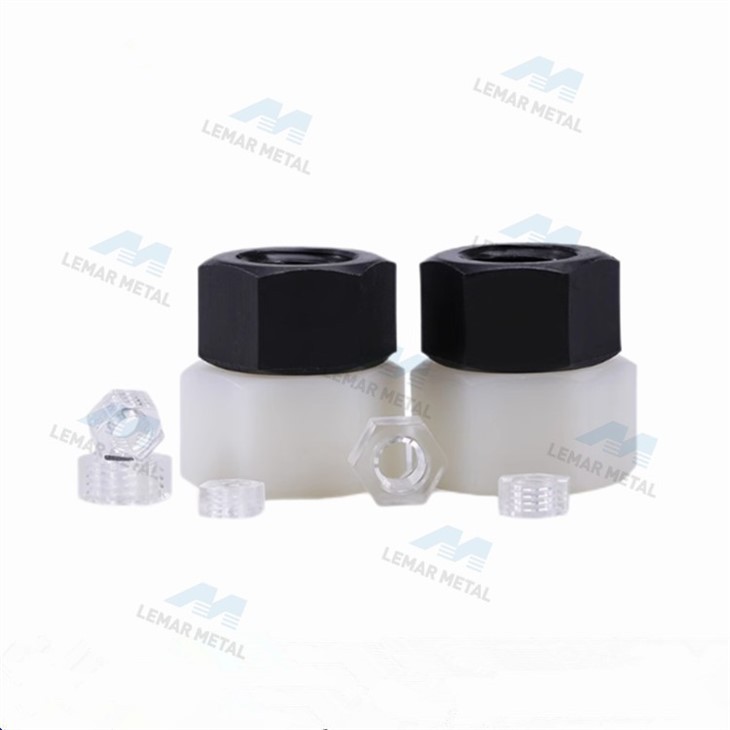

As a hexagon nut supplier, we are committed to providing high-quality nuts that meet the needs of our customers. If you are looking for reliable hexagon nuts for your next project, we invite you to contact us for more information and to discuss your specific requirements. We look forward to working with you to ensure the success of your project.
Send Inquiry