




How to lubricate a hexagon nut?
May 26, 2025
Leave a message
As a trusted supplier of hexagon nuts, I've witnessed firsthand the importance of proper maintenance to ensure the longevity and functionality of these essential fasteners. One crucial aspect of maintenance is lubrication. In this blog post, I'll share comprehensive insights on how to lubricate a hexagon nut effectively, drawing from my extensive experience in the industry.
Why Lubricate Hexagon Nuts?
Before delving into the lubrication process, it's essential to understand why lubricating hexagon nuts is necessary. Lubrication serves several vital functions:
- Reduces Friction: Friction can cause wear and tear on the nut and the mating surface, leading to premature failure. Lubrication creates a thin film between the surfaces, reducing friction and minimizing damage.
- Prevents Corrosion: Hexagon nuts are often exposed to harsh environments, including moisture and chemicals, which can cause corrosion. Lubricants act as a protective barrier, preventing rust and corrosion from forming on the nut's surface.
- Facilitates Assembly and Disassembly: Lubrication makes it easier to install and remove hexagon nuts, reducing the risk of stripping or damaging the threads. This is particularly important in applications where nuts need to be frequently tightened or loosened.
- Enhances Performance: Well-lubricated hexagon nuts operate more smoothly, ensuring consistent performance and reducing the likelihood of mechanical failures.
Choosing the Right Lubricant
Selecting the appropriate lubricant is crucial for effective lubrication. The choice of lubricant depends on several factors, including the application, operating conditions, and the material of the hexagon nut. Here are some common types of lubricants used for hexagon nuts:
- Oil-Based Lubricants: These lubricants are suitable for general-purpose applications and provide excellent lubrication and corrosion protection. They are available in various viscosities, allowing you to choose the one that best suits your needs.
- Grease: Grease is a thick, semi-solid lubricant that provides long-lasting lubrication and protection. It is ideal for applications where the nut is exposed to high loads, extreme temperatures, or harsh environments.
- Dry Lubricants: Dry lubricants, such as graphite or molybdenum disulfide, are suitable for applications where oil or grease may attract dirt or debris. They provide lubrication without leaving a sticky residue.
- Anti-Seize Compounds: Anti-seize compounds are designed to prevent nuts from seizing or galling during installation and removal. They are particularly useful in applications where the nut is made of dissimilar metals or is exposed to high temperatures.
When choosing a lubricant, consider the following factors:
- Compatibility: Ensure that the lubricant is compatible with the material of the hexagon nut and the mating surface. Some lubricants may react with certain metals, causing corrosion or damage.
- Operating Conditions: Consider the temperature, humidity, and other environmental factors in which the nut will be operating. Choose a lubricant that can withstand these conditions without breaking down or losing its effectiveness.
- Application Requirements: Different applications may require different levels of lubrication. For example, high-speed applications may require a lubricant with low viscosity, while high-load applications may require a lubricant with high viscosity.
Preparing the Hexagon Nut for Lubrication
Before applying lubricant to the hexagon nut, it's important to prepare the surface properly. Follow these steps to ensure optimal lubrication:
- Clean the Nut: Use a clean, dry cloth or a brush to remove any dirt, debris, or rust from the nut's surface. Pay special attention to the threads, as any contaminants in the threads can prevent the lubricant from spreading evenly.
- Inspect the Nut: Check the nut for any signs of damage, such as cracks, chips, or stripped threads. If the nut is damaged, it should be replaced before lubrication.
- Select the Lubrication Method: Depending on the type of lubricant and the application, you can choose from several lubrication methods, including brushing, spraying, dipping, or injecting. Select the method that is most appropriate for your needs.
Applying the Lubricant
Once the hexagon nut is clean and prepared, it's time to apply the lubricant. Follow these steps for effective lubrication:
- Apply the Lubricant to the Threads: If using a brush or a spray, apply a thin, even layer of lubricant to the threads of the nut. Make sure to cover the entire length of the threads, including the root and the crest.
- Spread the Lubricant: Use a clean cloth or a brush to spread the lubricant evenly over the threads. This will ensure that the lubricant penetrates into the threads and provides maximum lubrication.
- Apply the Lubricant to the Flange or the Bearing Surface: If the hexagon nut has a flange or a bearing surface, apply a thin layer of lubricant to these areas as well. This will reduce friction between the nut and the mating surface.
- Reassemble the Nut: Once the lubricant has been applied, reassemble the nut onto the bolt or the threaded shaft. Tighten the nut to the recommended torque specification using a torque wrench.
Tips for Effective Lubrication
To ensure optimal lubrication and performance of hexagon nuts, consider the following tips:
- Use the Right Amount of Lubricant: Applying too much lubricant can cause it to drip or run off, while applying too little lubricant may not provide sufficient lubrication. Follow the manufacturer's recommendations for the appropriate amount of lubricant to use.
- Reapply Lubricant Regularly: Over time, the lubricant may wear off or break down, especially in applications where the nut is exposed to high loads, extreme temperatures, or harsh environments. Reapply lubricant regularly to maintain optimal performance.
- Store Lubricants Properly: Lubricants should be stored in a cool, dry place away from direct sunlight and heat. Improper storage can cause the lubricant to deteriorate or lose its effectiveness.
- Follow Safety Precautions: When working with lubricants, follow all safety precautions recommended by the manufacturer. Wear appropriate personal protective equipment, such as gloves and goggles, to avoid skin contact and eye irritation.
Recommended Hexagon Nuts
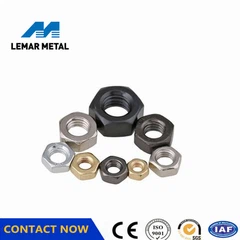
As a hexagon nut supplier, I offer a wide range of high-quality hexagon nuts to meet the diverse needs of my customers. Here are some of our recommended products:
- Iron Hexagon Nut M10: This iron hexagon nut is made of high-quality iron and is suitable for general-purpose applications. It has a standard M10 thread size and provides reliable performance.
- Stainless Steel Hex Thin Nut: This stainless steel hex thin nut is made of corrosion-resistant stainless steel and is ideal for applications where space is limited. It has a thin profile and provides excellent strength and durability.
- Hex Coupling Nut Female Connector: This hex coupling nut is designed to connect two threaded rods or shafts together. It has a female thread on both ends and provides a secure and reliable connection.
Contact Us for Procurement
If you're in the market for high-quality hexagon nuts or have any questions about lubrication or maintenance, please don't hesitate to contact us. Our team of experts is dedicated to providing you with the best products and services to meet your needs. We look forward to working with you and helping you achieve your goals.


References
- Machinery's Handbook, 31st Edition
- ASTM International Standards for Fasteners
- Manufacturer's Guidelines for Lubricants and Hexagon Nuts
Send Inquiry