

What materials are lock nuts made of?
May 26, 2025
Leave a message
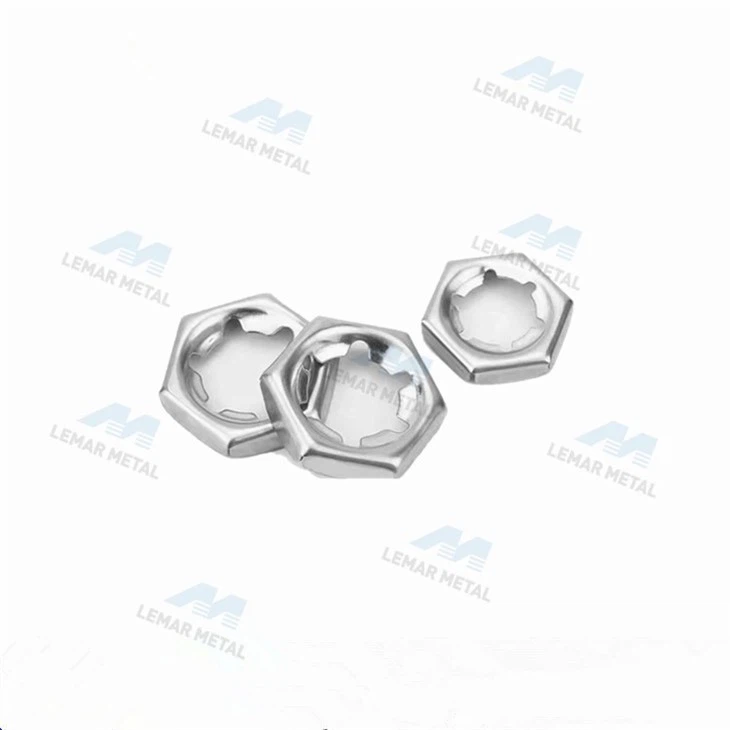
Lock nuts are essential fasteners used in various industries to prevent loosening due to vibration, rotation, or other external forces. As a leading lock nut supplier, we understand the importance of choosing the right materials for these critical components. In this blog post, we'll explore the different materials used to make lock nuts, their properties, and applications.
Steel
Steel is one of the most commonly used materials for lock nuts due to its high strength, durability, and affordability. There are several types of steel used in lock nut manufacturing, each with its own unique properties.
Carbon Steel
Carbon steel is a popular choice for lock nuts because it offers good strength and hardness. It contains carbon as the main alloying element, which gives it its characteristic properties. Carbon steel lock nuts are suitable for a wide range of applications, including automotive, machinery, and construction.
One of the advantages of carbon steel lock nuts is their cost-effectiveness. They are relatively inexpensive compared to other materials, making them a popular choice for high-volume applications. However, carbon steel is prone to corrosion, especially in harsh environments. To prevent corrosion, carbon steel lock nuts are often coated with a protective finish, such as zinc plating or black oxide.
Alloy Steel
Alloy steel is a type of steel that contains additional alloying elements, such as chromium, nickel, and molybdenum, to enhance its properties. Alloy steel lock nuts offer higher strength and better corrosion resistance than carbon steel lock nuts. They are commonly used in applications where high strength and durability are required, such as aerospace, automotive, and heavy machinery.
Alloy steel lock nuts can be heat-treated to further improve their strength and hardness. Heat treatment involves heating the lock nuts to a specific temperature and then cooling them rapidly to change their microstructure. This process can significantly increase the strength and toughness of the lock nuts, making them suitable for demanding applications.
Stainless Steel
Stainless steel is another popular material for lock nuts due to its excellent corrosion resistance and aesthetic appeal. It contains chromium as the main alloying element, which forms a thin, protective oxide layer on the surface of the steel, preventing corrosion.
Austenitic Stainless Steel
Austenitic stainless steel is the most commonly used type of stainless steel for lock nuts. It has a high chromium and nickel content, which gives it excellent corrosion resistance and good formability. Austenitic stainless steel lock nuts are suitable for a wide range of applications, including food processing, chemical processing, and marine environments.
One of the advantages of austenitic stainless steel lock nuts is their non-magnetic properties. This makes them suitable for applications where magnetic interference is a concern, such as electronic equipment and medical devices. However, austenitic stainless steel has relatively low strength compared to other materials, so it may not be suitable for applications where high strength is required.
Martensitic Stainless Steel
Martensitic stainless steel is a type of stainless steel that can be heat-treated to achieve high strength and hardness. It contains a lower chromium and nickel content than austenitic stainless steel, but it has a higher carbon content, which gives it its characteristic properties. Martensitic stainless steel lock nuts are commonly used in applications where high strength and corrosion resistance are required, such as automotive, aerospace, and marine industries.
Martensitic stainless steel lock nuts can be heat-treated to achieve different levels of hardness and strength. However, heat treatment can also make the lock nuts more brittle, so they need to be carefully designed and tested to ensure their performance.
Brass
Brass is a copper-zinc alloy that is known for its excellent corrosion resistance, electrical conductivity, and aesthetic appeal. Brass lock nuts are commonly used in applications where corrosion resistance and electrical conductivity are important, such as electrical and electronic equipment, plumbing, and marine environments.
One of the advantages of brass lock nuts is their ease of machining. Brass is a relatively soft material, so it can be easily machined into complex shapes and sizes. This makes it a popular choice for custom lock nuts and other precision components.
However, brass has relatively low strength compared to steel and stainless steel, so it may not be suitable for applications where high strength is required. Brass lock nuts are also more expensive than carbon steel lock nuts, so they are typically used in applications where cost is not a major concern.
Nylon
Nylon is a synthetic polymer that is known for its excellent chemical resistance, low friction coefficient, and self-lubricating properties. Nylon lock nuts are commonly used in applications where vibration and noise reduction are important, such as automotive, electronics, and furniture industries.
One of the advantages of nylon lock nuts is their ability to provide a secure and reliable locking mechanism. Nylon has a high coefficient of friction, which helps to prevent the lock nut from loosening due to vibration or rotation. Nylon lock nuts are also lightweight and corrosion-resistant, making them suitable for a wide range of applications.
However, nylon has relatively low strength compared to metal materials, so it may not be suitable for applications where high strength is required. Nylon lock nuts are also sensitive to temperature and humidity, so they need to be carefully selected and installed to ensure their performance.
Applications of Different Materials
The choice of material for a lock nut depends on several factors, including the application, the environment, and the required performance. Here are some common applications of different materials for lock nuts:
Automotive Industry
In the automotive industry, steel and stainless steel lock nuts are commonly used due to their high strength and corrosion resistance. Carbon steel lock nuts are often used in non-critical applications, such as engine components and suspension systems, while alloy steel and stainless steel lock nuts are used in more demanding applications, such as brake systems and exhaust systems.

Aerospace Industry
In the aerospace industry, high-strength alloy steel and titanium lock nuts are commonly used due to their excellent strength-to-weight ratio and corrosion resistance. These materials are able to withstand the extreme conditions of flight, including high temperatures, high pressures, and vibration.
Electronics Industry
In the electronics industry, brass and nylon lock nuts are commonly used due to their excellent electrical conductivity and vibration reduction properties. Brass lock nuts are often used in electrical connectors and circuit boards, while nylon lock nuts are used in electronic enclosures and equipment.
Construction Industry
In the construction industry, carbon steel and stainless steel lock nuts are commonly used due to their high strength and durability. Carbon steel lock nuts are often used in structural applications, such as building frames and bridges, while stainless steel lock nuts are used in outdoor applications, such as handrails and fencing.
Conclusion
In conclusion, the choice of material for a lock nut depends on several factors, including the application, the environment, and the required performance. As a lock nut supplier, we offer a wide range of lock nuts made from different materials to meet the needs of our customers. Whether you need a high-strength steel lock nut for a demanding application or a corrosion-resistant stainless steel lock nut for a marine environment, we have the solution for you.
If you're interested in learning more about our lock nuts or have any questions about the materials used in their manufacture, please don't hesitate to contact us. We're here to help you choose the right lock nuts for your application and provide you with the best possible service.
For more information about our products, you can visit our website and check out our Hexagon Counter Nut, Metal Pal Nut, and Lock Nut With External Tooth.
References
- ASM Handbook, Volume 1: Properties and Selection: Irons, Steels, and High-Performance Alloys
- Machinery's Handbook, 31st Edition
- ASTM International Standards for Fasteners
Send Inquiry