



How to prevent screws from coming out during transportation?
Nov 07, 2025
Leave a message
Hey there! I'm a supplier of screws, and I've faced the headache of screws coming out during transportation more times than I'd like to admit. It's a real pain, not just for us suppliers but also for our customers who expect their products to arrive in perfect condition. So, I've done a lot of research and experimented with different methods to find the best ways to prevent this issue. In this blog, I'll share some of the tips and tricks I've learned along the way.
1. Choose the Right Screw Type
First things first, picking the right screw for the job is crucial. Different types of screws have different holding capabilities, and some are better suited for transportation than others.
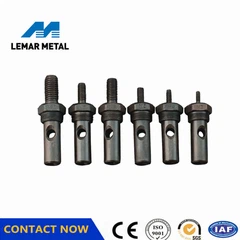
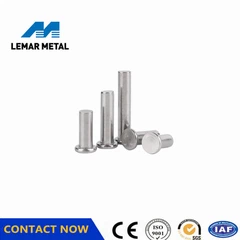
- Screw for Riveter: The Screw for Riveter is a great option. These screws are designed to provide a strong and secure connection. They work well in applications where you need a tight fit, and they're less likely to come loose during transit. The design of the riveter screw allows it to grip the material firmly, reducing the chances of it vibrating out.
- Slotted Flat Head Machine Screw: Slotted Flat Head Machine Screws are another good choice. They have a flat head that sits flush with the surface, which can help prevent snagging and movement. The slotted design makes them easy to install and tighten, ensuring a proper fit. These screws are commonly used in machinery and equipment, where stability during transportation is essential.
- Manual Adjustment Screw: Manual Adjustment Screws are designed for precise adjustments, but they can also be reliable during transportation. They often have a fine thread pitch, which provides better holding power. The ability to manually adjust the screw allows you to ensure a tight fit before shipping.
2. Use Thread Locking Compounds
Thread locking compounds are a game-changer when it comes to preventing screws from coming out. These compounds are applied to the threads of the screw before installation and harden to create a strong bond between the screw and the mating part.
There are two main types of thread locking compounds: anaerobic and acrylic. Anaerobic compounds cure in the absence of air, so they're perfect for use on screws. Once the screw is tightened, the compound fills the gaps between the threads and hardens, preventing the screw from loosening due to vibration or shock. Acrylic compounds, on the other hand, are faster-curing and can be used in a wider range of temperatures.
When using a thread locking compound, make sure to follow the manufacturer's instructions. Apply the compound evenly to the threads, and allow it to dry or cure before shipping. This simple step can significantly reduce the risk of screws coming out during transportation.
3. Proper Installation
How you install the screws in the first place can have a big impact on their stability during transportation. Here are some installation tips to keep in mind:
- Tighten to the Right Torque: Using a torque wrench is essential to ensure that the screws are tightened to the correct specification. Over-tightening can damage the threads or the material, while under-tightening can cause the screw to come loose. Refer to the manufacturer's guidelines for the recommended torque values.
- Clean the Threads: Before installing the screws, make sure the threads are clean and free of debris. Any dirt or grease can reduce the friction between the threads and make the screw more likely to come loose. Use a clean cloth or a brush to remove any contaminants.
- Use Washers: Washers can help distribute the load evenly and prevent the screw from loosening. Flat washers are commonly used to provide a smooth surface for the screw head, while lock washers can add extra friction to prevent rotation.
4. Packaging and Cushioning
The way you package the products with screws can also play a role in preventing the screws from coming out. Here are some packaging tips:
- Use Shock-Absorbing Materials: Wrap the products in bubble wrap or foam to absorb any shocks or vibrations during transportation. This can help reduce the stress on the screws and prevent them from loosening.
- Secure the Products: Make sure the products are securely packed in the box. Use packing peanuts or other filler materials to prevent the products from moving around. If possible, use custom-made boxes that fit the products snugly.
- Label the Packages: Clearly label the packages as "Fragile" or "Handle with Care" to ensure that the shipping carriers handle them properly. This can reduce the chances of rough handling, which can cause the screws to come out.
5. Vibration Dampening
Vibration is one of the main causes of screws coming out during transportation. To reduce the effects of vibration, you can use vibration dampening techniques.
- Anti-Vibration Mounts: These mounts are designed to absorb and isolate vibrations. They can be used to support the products and reduce the transfer of vibrations to the screws. Anti-vibration mounts come in different shapes and sizes, so choose the ones that are suitable for your products.
- Rubber Gaskets: Rubber gaskets can also help dampen vibrations. They can be placed between the parts where the screws are installed to reduce the impact of vibrations. Rubber gaskets are flexible and can conform to the shape of the parts, providing a good seal and vibration isolation.
6. Regular Inspections
Even if you've taken all the necessary precautions, it's still a good idea to conduct regular inspections before shipping. Check the screws to make sure they're still tight and in place. If you notice any loose screws, tighten them or replace them as needed.
Inspections can also help you identify any potential issues with the installation or the packaging. If you find that a particular type of screw is coming loose more often, you may need to reevaluate your installation process or consider using a different type of screw.
Conclusion
Preventing screws from coming out during transportation is a multi-step process that requires careful consideration of the screw type, installation method, packaging, and vibration dampening. By following the tips and tricks I've shared in this blog, you can significantly reduce the risk of screws coming loose and ensure that your products arrive at their destination in perfect condition.
If you're interested in purchasing high-quality screws or have any questions about preventing screws from coming out during transportation, feel free to reach out to me. I'm always happy to help and can provide you with the best solutions for your needs. Let's work together to make sure your products are secure during transit!


References
- "Thread Locking Compounds: A Guide to Their Use and Benefits." Industrial Fasteners Institute.
- "Best Practices for Screw Installation." Fastener Technology Magazine.
- "Vibration Dampening Techniques for Industrial Applications." Mechanical Engineering Journal.
Send Inquiry