

What are the characteristics of brass screws?
Aug 13, 2025
Leave a message
Brass screws are a staple in various industries and DIY projects, valued for their unique combination of properties that set them apart from screws made of other materials. As a screws supplier, I have witnessed firsthand the diverse applications and benefits of brass screws. In this blog, I will delve into the characteristics of brass screws, exploring their composition, physical and mechanical properties, and the advantages they offer in different settings.


Composition of Brass Screws
Brass is an alloy primarily composed of copper and zinc. The proportion of these two elements can vary, resulting in different types of brass with distinct properties. Typically, brass used for screws contains around 60 - 70% copper and 30 - 40% zinc. Other elements such as lead, tin, and aluminum may also be added in small quantities to enhance specific characteristics like machinability, corrosion resistance, or strength.
The combination of copper and zinc gives brass its characteristic yellow - gold color, which not only adds an aesthetic appeal but also provides some inherent benefits. Copper is known for its excellent electrical and thermal conductivity, while zinc contributes to the alloy's hardness and corrosion resistance.
Physical Properties
Appearance
One of the most noticeable features of brass screws is their attractive appearance. The golden - yellow hue of brass gives these screws a more decorative look compared to their steel or aluminum counterparts. This makes them an ideal choice for applications where aesthetics are important, such as furniture making, architectural hardware, and decorative metalwork. Whether used in visible locations or as part of a decorative assembly, brass screws can enhance the overall visual appeal of the project.
Weight
Brass is denser than aluminum but lighter than steel. This means that brass screws are relatively lightweight compared to steel screws of the same size, which can be an advantage in applications where weight is a concern. For example, in the aerospace and automotive industries, using brass screws can help reduce the overall weight of the components without sacrificing too much in terms of strength.
Conductivity
As mentioned earlier, copper is a good conductor of electricity and heat. Since brass contains a significant amount of copper, brass screws also exhibit good electrical and thermal conductivity. This property makes them suitable for electrical applications, such as in electrical enclosures, circuit boards, and wiring connections. They can effectively conduct electricity and dissipate heat, helping to prevent overheating and electrical malfunctions.
Mechanical Properties
Strength
Brass screws offer a good balance of strength and ductility. While they are not as strong as steel screws, they are still strong enough for many common applications. The strength of brass screws depends on the specific type of brass alloy used and the manufacturing process. For light - to medium - duty applications, such as securing wooden panels, plastic components, or thin metal sheets, brass screws provide sufficient holding power. Their ductility allows them to deform slightly under stress without breaking, which can be an advantage in applications where there is some movement or vibration.
Corrosion Resistance
One of the most significant advantages of brass screws is their excellent corrosion resistance. The zinc in the brass alloy forms a protective layer on the surface of the screw when exposed to air and moisture. This layer, known as a patina, acts as a barrier, preventing further corrosion of the underlying metal. As a result, brass screws are highly resistant to rust and corrosion, making them suitable for use in outdoor and humid environments. For example, they are commonly used in marine applications, where they are exposed to saltwater and harsh weather conditions.
Machinability
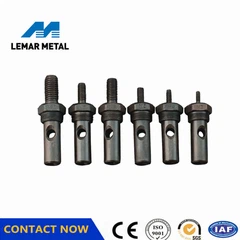
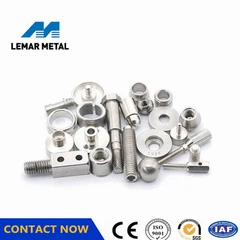
Brass is known for its excellent machinability. It can be easily shaped, cut, and threaded, which makes it a popular choice for screw manufacturing. Manufacturers can produce brass screws with high precision and consistent quality. The good machinability of brass also allows for the creation of screws with complex shapes and features, such as Manual Adjustment Screw, which are often used in applications where fine adjustments are required.
Advantages in Different Applications
Woodworking
In woodworking, brass screws are a popular choice for several reasons. Their corrosion resistance means that they will not rust and stain the wood over time. The attractive appearance of brass also complements the natural beauty of wood, making them suitable for both structural and decorative applications. For example, Slotted Flat Head Machine Screw can be used to attach wooden components together, providing a clean and professional look.
Electronics
As mentioned earlier, the electrical conductivity of brass screws makes them ideal for electronics applications. They can be used to secure circuit boards, electrical connectors, and other electronic components. The corrosion resistance of brass ensures that the screws will not degrade over time, maintaining reliable electrical connections.
Decorative and Architectural Applications
The aesthetic appeal of brass screws makes them a top choice for decorative and architectural applications. Flat Head Thumb Screw can be used in architectural hardware, such as door handles, hinges, and cabinet pulls. Their decorative look adds a touch of elegance to these fixtures, enhancing the overall appearance of the building or furniture.
Conclusion
In conclusion, brass screws possess a unique set of characteristics that make them suitable for a wide range of applications. Their attractive appearance, good balance of strength and ductility, corrosion resistance, and electrical and thermal conductivity make them a versatile choice for both industrial and DIY projects. Whether you are a professional contractor, a DIY enthusiast, or an engineer working on a specialized project, brass screws can offer many benefits.
If you are interested in purchasing brass screws for your next project, I invite you to contact me for more information. As a screws supplier, I can provide you with high - quality brass screws in various sizes and types to meet your specific needs. Let's start a conversation about how these versatile screws can enhance your projects.
References
- "Metals Handbook: Properties and Selection: Nonferrous Alloys and Pure Metals", ASM International.
- "Engineering Materials and Their Applications", William F. Smith and Javad Hashemi.
- Various industry publications on fasteners and hardware.
Send Inquiry