



What are the disadvantages of a smart lock?
Dec 22, 2025
Leave a message
In recent years, smart locks have gained significant popularity due to their convenience and advanced features. As a lock supplier, I have witnessed the growing demand for these high - tech security solutions. However, like any technology, smart locks are not without their drawbacks. In this blog, I will delve into the disadvantages of smart locks to provide a more comprehensive view for consumers and potential business partners.
1. High Initial Cost
One of the most obvious disadvantages of smart locks is their high initial cost. Compared to traditional mechanical locks, smart locks come with a hefty price tag. The advanced technology embedded in smart locks, such as fingerprint scanners, Wi - Fi connectivity, and mobile app integration, drives up the manufacturing cost, which is ultimately passed on to the consumers.
As a lock supplier, I understand that for many customers, especially those on a tight budget, the cost of a smart lock can be a significant deterrent. Traditional locks can be purchased at a fraction of the price, and for some, the basic security provided by a mechanical lock is sufficient. This high cost can limit the market penetration of smart locks, especially in price - sensitive regions.
2. Dependence on Power Source
Smart locks rely heavily on a power source to function. Most smart locks are battery - operated, while some may require a direct electrical connection. This dependence on power can be a major disadvantage. If the batteries run out or there is a power outage in the case of electrically - connected locks, the lock may become inoperable.
Imagine coming home late at night after a long day at work, only to find that your smart lock's batteries have died. You might be left standing outside, unable to enter your own home. As a lock supplier, I often hear from customers about their concerns regarding power failures. To mitigate this issue, some smart locks come with backup options, such as a keyhole for a traditional key. However, this somewhat defeats the purpose of having a smart lock in the first place.
3. Security Vulnerabilities
While smart locks are designed to enhance security, they are also vulnerable to various security threats. Hackers can potentially target smart locks, especially if they are connected to the internet. Weak encryption protocols, default passwords, and software bugs can make smart locks easy targets for cyberattacks.
Once a smart lock is hacked, an unauthorized person can gain access to a home or business. This is a serious concern for both residential and commercial users. As a lock supplier, I am constantly aware of the need to ensure the security of our smart lock products. We invest in research and development to improve encryption and regularly update the firmware to patch any security holes. However, the ever - evolving nature of cyber threats means that the security of smart locks can never be guaranteed 100%.
4. Compatibility Issues
Smart locks often face compatibility issues with different devices and systems. For example, a smart lock may not be compatible with a particular smartphone model or operating system. This can be frustrating for consumers who expect seamless integration with their existing devices.
In a business setting, compatibility issues can be even more problematic. For instance, if a company wants to integrate a smart lock system with its existing access control system, there may be technical hurdles to overcome. As a lock supplier, we try to provide clear information about the compatibility of our smart locks, but it is still a common pain point for many customers.
5. Complex Installation and Maintenance
Installing a smart lock can be a more complex process compared to a traditional lock. It may require technical skills to ensure proper installation, especially if the lock needs to be connected to a Wi - Fi network or other devices. Many consumers may find it difficult to install the lock themselves and may need to hire a professional, which adds to the overall cost.
Maintenance is also a concern. Smart locks have more components and software compared to traditional locks, which means there are more things that can go wrong. Software glitches may occur, and hardware components may malfunction. As a lock supplier, we offer technical support to our customers, but dealing with complex maintenance issues can still be time - consuming and frustrating for both the customers and us.
6. Privacy Concerns
Smart locks collect and store a significant amount of user data. This data can include information about when a user unlocks the door, who has access to the lock, and even biometric data in the case of fingerprint or facial recognition locks. The collection and storage of this data raise serious privacy concerns.
There is always a risk that this data could be misused, either by the lock manufacturer or through a data breach. Consumers may be hesitant to use smart locks due to these privacy issues. As a lock supplier, we are committed to protecting the privacy of our customers. We have strict data protection policies in place and take measures to ensure the security of the data collected by our smart locks.
7. Limited Backup Options
As mentioned earlier, while some smart locks have backup options like a keyhole, these options are often limited. In the event of a complete system failure, the backup may not be as reliable as a fully functional mechanical lock. For example, the keyhole may be difficult to access, or the traditional key may be misplaced.
This lack of robust backup options can leave users in a vulnerable position. As a lock supplier, we are constantly working on improving the backup options for our smart locks to provide more peace of mind to our customers.
Related Products
Despite these disadvantages, locks still play a crucial role in our daily lives. At [company's position as a supplier], we also offer a range of traditional and reliable locks. For instance, our Heavy Duty Spring Loaded Gate Latch is a great option for securing gates. It is durable and easy to use, providing a simple yet effective security solution.
Another popular product is our Truck Bolt Latch. This latch is designed for trucks and other vehicles, ensuring that the doors and compartments are securely locked.
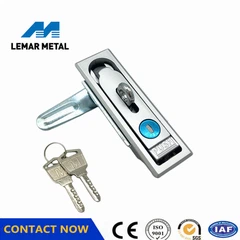
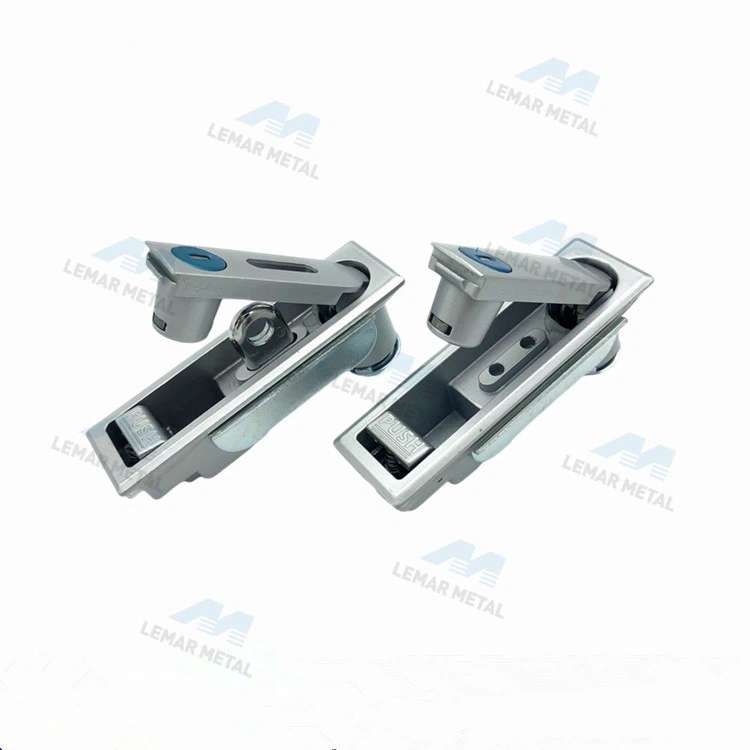
For those in need of locks for electrical cabinets, our Electric Cabinet Door Locks offer a high - level of security. They are designed to protect sensitive electrical equipment from unauthorized access.

Conclusion
Smart locks offer a range of convenient features, but they also come with several disadvantages. The high cost, power dependence, security vulnerabilities, compatibility issues, complex installation and maintenance, privacy concerns, and limited backup options are all factors that consumers need to consider before investing in a smart lock.
As a lock supplier, we are aware of these challenges and are constantly working to improve the quality and reliability of our smart lock products. We also offer a diverse range of traditional locks to meet the different needs of our customers. If you are interested in learning more about our lock products or have any questions regarding the selection of locks, please feel free to contact us for procurement and further discussion.
References
- "The Security Implications of Smart Locks in the Internet of Things Era" - Journal of Cybersecurity Research
- "Consumer Perception of Smart Lock Technology" - Market Research Report
Send Inquiry