

What are the qualities of a 'fitting' leader?
Jul 02, 2025
Leave a message
In the dynamic landscape of the hardware fitting industry, the role of a leader is pivotal. As a fitting supplier, I've witnessed firsthand the impact that effective leadership can have on a business. A "fitting" leader, in the context of our industry, is not just someone who holds a position of authority but an individual who possesses a unique set of qualities that drive the company forward, foster innovation, and build strong relationships with customers and partners.
Vision and Strategic Thinking
A fitting leader must have a clear and compelling vision for the future of the company. This vision serves as a guiding light, inspiring employees and stakeholders to work towards a common goal. In the hardware fitting industry, where technological advancements and market trends are constantly evolving, a leader with a forward - thinking vision can anticipate changes and position the company to capitalize on emerging opportunities.
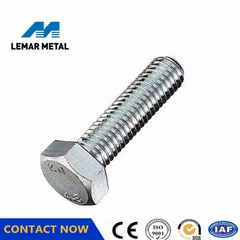
For instance, in the case of our fitting products like the Hexagonal Double - Pass Copper Column and Hex Copper Pillar, a leader with a strategic vision would identify potential new applications for these products in emerging markets. This could involve researching trends in construction, electronics, or automotive industries and adapting the product features and marketing strategies accordingly.
Strategic thinking also involves setting clear goals and developing a well - thought - out plan to achieve them. A fitting leader breaks down long - term goals into short - term, actionable steps, and assigns responsibilities to the appropriate team members. This ensures that everyone in the organization is aligned and working towards the same objectives.
Industry Knowledge and Expertise
In the hardware fitting business, a deep understanding of the industry is essential for a leader. This includes knowledge of materials, manufacturing processes, quality control standards, and market dynamics. A leader who is well - versed in these areas can make informed decisions, solve complex problems, and provide valuable guidance to the team.
For example, when it comes to the production of copper fittings, a leader should be aware of the different grades of copper, their properties, and how they affect the performance of the final product. They should also understand the latest manufacturing techniques, such as precision machining and casting, to ensure that the fittings are of the highest quality.
Industry expertise also allows a leader to stay ahead of the competition. By keeping a close eye on market trends, new product developments, and regulatory changes, a fitting leader can make strategic adjustments to the company's product portfolio and business strategies. This might involve investing in research and development to introduce new and improved fitting products or adapting to new environmental regulations.
Strong Communication Skills
Effective communication is a cornerstone of successful leadership. A fitting leader must be able to communicate the company's vision, goals, and expectations clearly to all levels of the organization. This includes not only verbal communication but also written communication, such as emails, reports, and presentations.
In addition to internal communication, a leader also needs to communicate effectively with external stakeholders, such as customers, suppliers, and industry partners. For example, when dealing with customers, a leader should be able to understand their needs and concerns and communicate how the company's fitting products can meet those requirements. They should also be able to handle customer complaints and feedback in a professional and timely manner.
Communication is also important for building and maintaining relationships. A leader who can communicate openly and honestly with employees, customers, and partners can create a positive and collaborative work environment. This fosters trust and loyalty, which are essential for the long - term success of the company.
Adaptability and Resilience
The hardware fitting industry is subject to various challenges, such as economic fluctuations, changes in customer demand, and technological disruptions. A fitting leader must be adaptable and resilient in the face of these challenges.
Adaptability means being able to quickly adjust the company's strategies and operations in response to changing circumstances. For example, if there is a sudden increase in the cost of raw materials, a leader should be able to find alternative suppliers, adjust production processes, or increase the price of the products in a way that minimizes the impact on the company's bottom line.
Resilience is the ability to bounce back from setbacks. In the fitting business, there may be times when a new product launch fails, or a major customer cancels an order. A resilient leader uses these experiences as learning opportunities and motivates the team to keep moving forward. They focus on finding solutions rather than dwelling on the problems.
Team Building and Motivation
A fitting leader understands the importance of building a strong and cohesive team. They recognize that the success of the company depends on the skills, knowledge, and dedication of its employees. Therefore, a leader should focus on hiring the right people, providing them with the necessary training and development opportunities, and creating a positive work environment.
Team building involves fostering a sense of collaboration and cooperation among team members. A leader can organize team - building activities, encourage cross - functional communication, and recognize and reward team achievements. This helps to build trust and camaraderie among employees, which in turn improves productivity and job satisfaction.
Motivation is another key aspect of team leadership. A fitting leader should be able to inspire and motivate employees to perform at their best. This can be achieved through various means, such as setting challenging but achievable goals, providing feedback and recognition, and offering career development opportunities. When employees feel valued and motivated, they are more likely to be engaged in their work and contribute to the success of the company.
Ethical and Integrity
In the hardware fitting industry, where reputation is everything, a leader must uphold high ethical standards and integrity. This means being honest, transparent, and accountable in all business dealings.


Ethical leadership involves making decisions that are in the best interests of the company, its employees, and its customers. For example, a leader should ensure that the company's fitting products meet all relevant safety and quality standards, even if it means incurring additional costs. They should also be honest with customers about the features and limitations of the products.
Integrity also means being consistent in one's actions and words. A leader who sets a good example by following ethical principles will inspire employees to do the same. This helps to build a positive corporate culture and a strong reputation in the industry.
Customer Focus
In the fitting business, the customer is king. A fitting leader should have a strong customer - centric approach. This means understanding the needs and preferences of customers and developing products and services that meet or exceed their expectations.
A customer - focused leader encourages the entire organization to put the customer first. This can involve gathering customer feedback, conducting market research, and using this information to improve the products and services. For example, if customers are complaining about the installation process of a particular fitting product, a leader should work with the engineering and customer service teams to find a solution.
Building strong customer relationships is also an important part of a customer - centric approach. A leader should ensure that the company provides excellent customer service, from pre - sales support to after - sales service. This helps to build customer loyalty and repeat business.
Innovation and Creativity
In a highly competitive industry like hardware fittings, innovation and creativity are essential for staying ahead of the curve. A fitting leader should encourage a culture of innovation within the organization. This involves promoting new ideas, rewarding creativity, and investing in research and development.
Innovation can take many forms in the fitting business. It could be the development of new and improved fitting designs, the use of new materials, or the implementation of new manufacturing processes. For example, a leader might encourage the team to explore the use of 3D printing technology to produce custom - made fittings more efficiently.
Creativity is also important for solving problems and finding new opportunities. A leader who thinks outside the box can come up with unique solutions to challenges and identify untapped markets for the company's fitting products.
Conclusion
In conclusion, a "fitting" leader in the hardware fitting industry possesses a diverse set of qualities, including vision, industry knowledge, communication skills, adaptability, team - building abilities, ethical standards, customer focus, and innovation. These qualities enable a leader to drive the company forward, navigate through challenges, and build strong relationships with customers and partners.
If you are in the market for high - quality fitting products, such as the Hexagonal Double - Pass Copper Column and Hex Copper Pillar, and are looking for a reliable supplier with strong leadership, we invite you to contact us for a procurement discussion. We are committed to providing you with the best products and services to meet your needs.
References
- Kotter, J. P. (1990). A Force for Change: How Leadership Differs from Management. Free Press.
- Drucker, P. F. (1973). Management: Tasks, Responsibilities, Practices. Harper & Row.
- Goleman, D. (1998). Working with Emotional Intelligence. Bantam Books.
Send Inquiry