

What is the difference between a bolt and a screw?
Aug 14, 2025
Leave a message
Hey there! As a bolts supplier, I've been asked about the difference between bolts and screws more times than I can count. It might seem like a small thing, but getting it right can make a huge difference in your projects. So, let's dive in and clear up the confusion.
What's a Bolt?
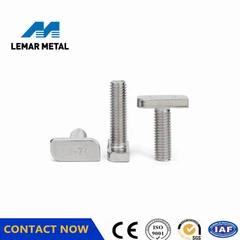
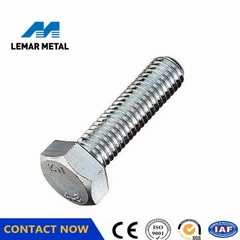
First off, bolts are typically used with a nut. They're designed to pass through holes in multiple parts and then be tightened down with a nut on the other side. This creates a strong joint that can handle a lot of stress. Bolts usually have a smooth shank, which is the part between the head and the threads. The smooth shank helps the bolt slide easily through the holes in the materials being joined.
One of the key features of bolts is their ability to provide a high clamping force. When you tighten the nut onto the bolt, it squeezes the parts together, holding them firmly in place. This is why bolts are commonly used in construction, automotive, and machinery applications where strong connections are essential.


For example, in a bridge construction project, bolts are used to connect the steel beams together. The high clamping force ensures that the beams stay in place even under heavy loads and vibrations. Without bolts, the bridge wouldn't be able to withstand the forces acting on it.
What's a Screw?
Screws, on the other hand, are designed to be threaded directly into a material. They don't usually require a nut. Instead, the threads on the screw cut into the material, creating their own holding power. Screws can be used in a wide variety of materials, including wood, metal, and plastic.
There are different types of screws for different applications. For instance, wood screws have a sharp point and coarse threads that are designed to grip into wood fibers. Machine screws, on the other hand, have finer threads and are used in metal or plastic parts where a more precise fit is required.
Screws are often used in applications where disassembly and reassembly are needed. For example, in electronics, screws are used to hold the components together. If a part needs to be replaced or repaired, the screws can be easily removed and then reinstalled.
Key Differences
Now that we know what bolts and screws are, let's look at the key differences between them.
1. Threading and Usage
The main difference is how they're used in conjunction with other parts. Bolts are used with nuts, while screws are threaded directly into the material. This means that bolts are better suited for applications where you need a strong, permanent connection between multiple parts. Screws, on the other hand, are more versatile and can be used in a wider range of materials and applications.
2. Head Design
Bolts and screws also have different head designs. Bolts typically have a larger, more robust head that can be tightened with a wrench or a socket. This allows for a high amount of torque to be applied, which is necessary for creating a strong joint. Screws, on the other hand, can have a variety of head designs, including flat heads, round heads, and pan heads. The choice of head design depends on the application and the aesthetic requirements.
3. Material and Strength
Bolts are usually made from stronger materials than screws. This is because they need to withstand higher levels of stress and tension. Common materials for bolts include steel, stainless steel, and alloy steel. Screws can be made from a variety of materials, including brass, aluminum, and plastic, depending on the application.
4. Installation
Installing bolts and screws also requires different techniques. Installing a bolt involves aligning the holes in the parts, inserting the bolt, and then tightening the nut. This can be a bit more time-consuming, especially if you're working with multiple bolts. Installing a screw is usually quicker and easier. You simply drill a pilot hole (if necessary) and then screw the screw into the material using a screwdriver or a power drill.
Applications
Let's take a look at some specific applications where bolts and screws are used.
Bolts
- Construction: As mentioned earlier, bolts are widely used in construction for connecting steel beams, columns, and other structural components. They're also used in concrete construction for attaching formwork and anchor bolts.
- Automotive: Bolts are used in engines, transmissions, and suspension systems to hold the various components together. They need to be strong and reliable to withstand the high forces and vibrations generated by the vehicle.
- Machinery: In industrial machinery, bolts are used to assemble the different parts of the machine. They ensure that the machine operates smoothly and safely.
Screws
- Woodworking: Wood screws are essential for joining wood pieces together. They're used in furniture making, cabinetry, and carpentry projects.
- Electronics: Screws are used to hold the components of electronic devices together. They allow for easy disassembly and repair of the devices.
- Home Improvement: From hanging shelves to installing light fixtures, screws are a staple in home improvement projects.
Antiluce Drop Lock
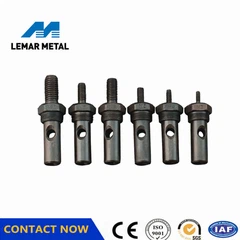
If you're looking for a high-quality bolt solution, check out the Antiluce Drop Lock. This innovative bolt design offers enhanced security and reliability. It's perfect for applications where you need a strong, tamper-resistant connection.
Conclusion
So, there you have it! The difference between bolts and screws might seem small, but it can have a big impact on your projects. Whether you're a DIY enthusiast or a professional contractor, understanding the differences between these two fasteners is essential for choosing the right one for the job.
If you're in the market for bolts or screws, I'd love to help. I'm a bolts supplier with years of experience and a wide range of products to meet your needs. Whether you need a few bolts for a small project or a large quantity for a big job, I can provide you with high-quality fasteners at competitive prices. Just reach out to me, and we can start discussing your requirements.
References
- Machinery's Handbook, 31st Edition
- The Complete Guide to Fasteners, by Fastener Training Institute
Send Inquiry