

What is the difference between a wood screw and a masonry screw?
Jul 09, 2026
Leave a message
When it comes to fasteners, screws are an essential part of any toolkit. They come in various types, each designed for specific applications. Two common types of screws are wood screws and masonry screws. As a screws supplier, I often get asked about the differences between these two types of screws. In this blog post, I'll delve into the distinctions between wood screws and masonry screws, exploring their design, materials, applications, and more.
Design and Structure
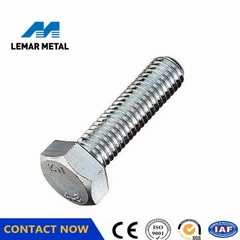
Wood screws are typically designed with a tapered shank and a sharp point. The threads on a wood screw are relatively coarse, which allows them to grip into the wood fibers effectively. The head of a wood screw can come in different shapes, such as flat head, round head, or pan head, depending on the application. For example, a Flat Head Countersunk Tapping Screws is designed to sit flush with the surface of the wood, making it ideal for applications where a smooth finish is required.
On the other hand, masonry screws are designed to be used in hard materials such as concrete, brick, or stone. They have a much stronger and more durable design compared to wood screws. Masonry screws usually have a hardened steel core and a special coating to resist corrosion. The threads on a masonry screw are finer and more closely spaced than those on a wood screw, which helps them to grip into the hard material. A Hexagon Head Self Drilling Screw is a common type of masonry screw that can drill its own hole as it is being inserted, making it convenient for use in masonry applications.
Materials
Wood screws are commonly made from materials such as steel, brass, or stainless steel. Steel wood screws are strong and affordable, making them a popular choice for general woodworking applications. Brass wood screws are corrosion-resistant and have an attractive appearance, making them suitable for decorative applications. Stainless steel wood screws are highly resistant to corrosion and are often used in outdoor or wet environments.
Masonry screws, on the other hand, are typically made from high-strength steel or stainless steel. The high-strength steel provides the necessary strength to penetrate and hold in hard materials, while the stainless steel option offers excellent corrosion resistance. Some masonry screws also have a special coating, such as zinc plating or epoxy coating, to further enhance their durability and corrosion resistance.


Applications
Wood screws are primarily used for joining pieces of wood together. They can be used in a variety of woodworking projects, such as building furniture, cabinets, or wooden structures. Wood screws are also commonly used in carpentry, wood framing, and DIY projects. The coarse threads of wood screws allow them to grip into the wood fibers, providing a strong and secure connection.
Masonry screws, on the other hand, are used for fastening objects to masonry or concrete surfaces. They are commonly used in construction projects, such as installing shelves, brackets, or electrical fixtures on concrete walls. Masonry screws are also used in outdoor applications, such as attaching fence posts or decking to concrete foundations. The fine threads and strong design of masonry screws allow them to provide a reliable and long-lasting connection in hard materials.
Installation
Installing wood screws is relatively straightforward. First, you need to drill a pilot hole in the wood to prevent the wood from splitting. The size of the pilot hole should be slightly smaller than the diameter of the screw. Then, insert the screw into the pilot hole and use a screwdriver or a drill to turn the screw until it is fully seated. Make sure not to over-tighten the screw, as this can damage the wood.
Installing masonry screws requires a bit more preparation. First, you need to drill a hole in the masonry using a masonry drill bit. The size of the hole should be slightly smaller than the diameter of the screw. Then, clean the hole to remove any dust or debris. Next, insert the screw into the hole and use a drill to turn the screw until it is fully seated. Some masonry screws, such as Flat Head Flat Tail, are self-drilling, which means they can drill their own hole as they are being inserted, saving time and effort.
Strength and Durability
Wood screws provide a strong connection in wood, but their strength is limited compared to masonry screws. Wood screws can be easily pulled out or stripped if too much force is applied. However, in most woodworking applications, the strength of wood screws is sufficient.
Masonry screws, on the other hand, are designed to provide a much stronger and more durable connection in hard materials. They can withstand high levels of tension and shear forces, making them suitable for heavy-duty applications. The high-strength steel and special coatings of masonry screws also make them resistant to corrosion and wear, ensuring a long service life.
Cost
Wood screws are generally less expensive than masonry screws. This is because the materials and manufacturing processes for wood screws are simpler and less costly. However, the cost of screws can vary depending on the size, material, and brand.
Conclusion
In conclusion, wood screws and masonry screws are two different types of screws designed for specific applications. Wood screws are ideal for joining pieces of wood together, while masonry screws are used for fastening objects to masonry or concrete surfaces. Understanding the differences between these two types of screws is essential for choosing the right screw for your project.
As a screws supplier, we offer a wide range of wood screws and masonry screws to meet your needs. Whether you are a professional contractor or a DIY enthusiast, we have the right screws for your project. If you have any questions or need help choosing the right screws, please feel free to contact us. We are here to assist you with your procurement needs.
Send Inquiry