








How to Improve the Precision of 3D Welding Tables?
Jan 05, 2026
Leave a message
I. Source Control: Choosing a High-Precision Platform
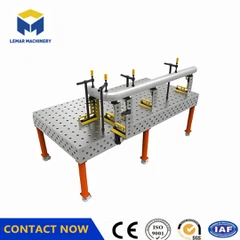
Precision Level: Prioritize Level 0 or 1 platforms (e.g., for aerospace and new energy vehicle applications). For general industrial welding, Level 2 platforms offer better cost-effectiveness.
Key Parameters: Pay attention to flatness error (e.g., 0.1mm/1000mm), hole spacing tolerance (e.g., ±0.05mm), and surface roughness (e.g., 3.2um).
Brand Reference: Chaode brand arc forging 3D welding tables have a precision of 0.1mm, while Fengyuan brand 3D flexible welding platforms have precision levels of 1-3.
II. Process Optimization: Improving Welding Technology
Vision System: Employ high-precision vision tracking systems (e.g., laser scanners, structured light sensors) combined with dynamic compensation algorithms to correct weld positions in real time.
Welding Parameters: Dynamically adjust current, voltage, and wire feed speed based on visual recognition, establishing a process knowledge base for self-optimization.
Environmental Control: Operate in a stable environment to reduce the impact of vibration and temperature changes on precision.
III. Post-Maintenance: Regular Calibration and Maintenance
Calibration Cycle: Professional calibration is recommended every 6-12 months, using a laser interferometer to check flatness errors.
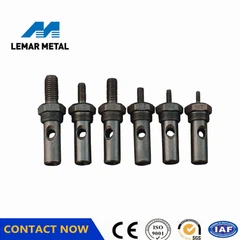
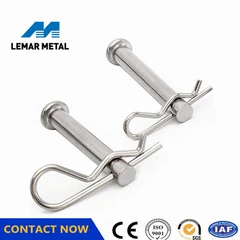
Daily Maintenance: Clean the working surface to avoid scratches; regularly check the wear of modules such as positioning pins and clamps.
IV. System Integration: Building a Precision Welding System
Digital Twin: Pre-verify the feasibility of welding trajectories using virtual debugging environments such as ROS-Gazebo.
Edge Computing: Deploy lightweight algorithms based on embedded platforms such as Jetson AGX to achieve real-time control of high-speed welding.
V. Precautions
Cost Trade-offs: High-precision platforms (such as Class 0) are expensive; the budget must be balanced according to actual needs.
Supplier Selection: Prioritize local suppliers (such as those in East China) that provide on-site debugging and precision calibration services to ensure after-sales support.

Send Inquiry