

Are flange nuts used in electrical applications?
Aug 19, 2025
Leave a message
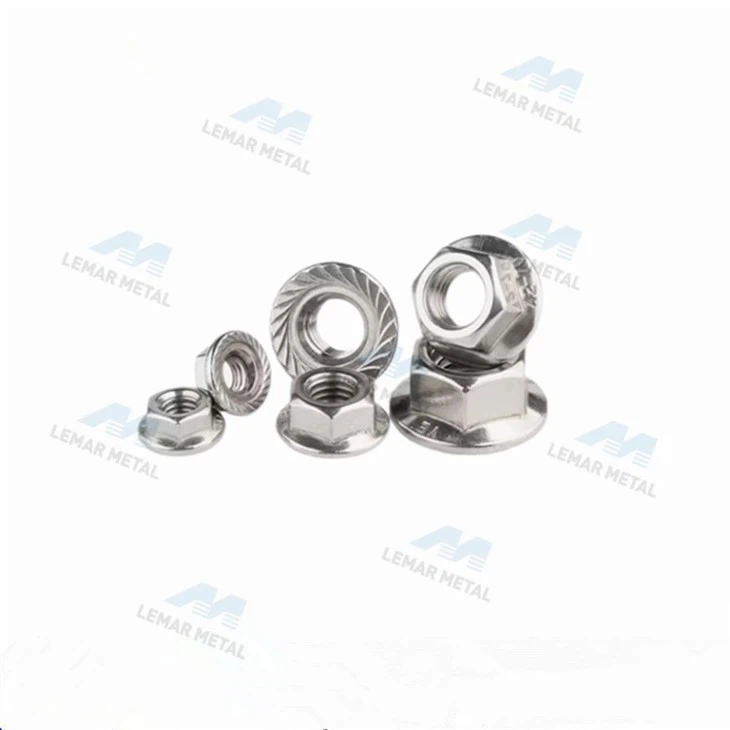
Flange nuts are unique fasteners characterized by a wide flange at one end, which acts as an integrated washer. This design feature provides a larger bearing surface, distributing the load more evenly and reducing the risk of damage to the connected materials. The flange also helps to prevent the nut from loosening due to vibration or other external forces, enhancing the overall stability of the joint.
The Role of Flange Nuts in Electrical Applications
In electrical applications, the reliability and safety of connections are of utmost importance. Flange nuts play a crucial role in ensuring that electrical components are securely fastened, preventing loose connections that could lead to electrical arcing, overheating, and potential fire hazards. Here are some specific areas where flange nuts are commonly used in electrical systems:
Panel Mounting
Electrical panels house various components such as circuit breakers, relays, and switches. Flange nuts are used to secure these components to the panel, providing a stable and reliable connection. The wide flange distributes the clamping force evenly, preventing damage to the panel and ensuring that the components remain firmly in place.
Enclosure Assembly
Electrical enclosures protect sensitive equipment from environmental factors such as dust, moisture, and mechanical damage. Flange nuts are used to assemble the enclosure, ensuring that the panels are tightly sealed and the internal components are protected. The anti - loosening properties of flange nuts are particularly important in environments where vibration is present, such as industrial settings.

Cable Management
In electrical installations, cables need to be properly secured to prevent movement and damage. Flange nuts can be used to fasten cable glands, which are used to seal and secure cables as they enter enclosures or equipment. The large bearing surface of the flange nut helps to create a tight seal, preventing the ingress of dust and moisture.
Types of Flange Nuts Suitable for Electrical Applications
As a flange nut supplier, we offer a variety of flange nuts that are suitable for electrical applications. Here are some of the popular types:
Slip Locking Lock Nut
The Slip Locking Lock Nut is designed to provide excellent resistance to loosening. It features a unique locking mechanism that prevents the nut from backing off under vibration or dynamic loads. This type of nut is ideal for electrical applications where a secure connection is critical, such as in high - vibration environments.
Steel Serrated Hex Flange Nut
The Steel Serrated Hex Flange Nut is made of high - quality steel and has serrations on the flange. These serrations bite into the surface of the connected material, providing additional resistance to rotation and loosening. The steel construction ensures durability and corrosion resistance, making it suitable for both indoor and outdoor electrical applications.
Flange Lock Nut
The Flange Lock Nut combines the features of a flange and a locking mechanism. It provides a large bearing surface for even load distribution and a reliable locking function to prevent loosening. This type of nut is commonly used in electrical systems where a combination of stability and security is required.
Advantages of Using Flange Nuts in Electrical Applications
Enhanced Safety
By preventing loose connections, flange nuts significantly reduce the risk of electrical hazards such as arcing and overheating. This enhances the safety of electrical systems and protects both the equipment and the personnel working with it.
Improved Reliability
The anti - loosening properties of flange nuts ensure that electrical connections remain stable over time, even in the presence of vibration and other external forces. This improves the reliability of electrical systems and reduces the need for frequent maintenance and repairs.
Cost - Effectiveness
Although flange nuts may have a slightly higher initial cost compared to standard nuts, their long - term benefits in terms of safety and reliability make them a cost - effective choice. By reducing the risk of equipment failure and downtime, flange nuts can save money in the long run.
Considerations When Selecting Flange Nuts for Electrical Applications
Material Selection
The material of the flange nut should be chosen based on the specific requirements of the electrical application. For example, stainless steel flange nuts are suitable for applications where corrosion resistance is important, while steel flange nuts offer high strength.
Size and Thread Specification
The size and thread specification of the flange nut must match the corresponding bolt or stud. Using the wrong size or thread can result in a loose or insecure connection.
Environmental Conditions
The environmental conditions in which the electrical system operates should also be considered. For example, in outdoor or high - humidity environments, flange nuts with good corrosion resistance should be selected.
Conclusion
In conclusion, flange nuts are indeed used in electrical applications, and they play a vital role in ensuring the safety, reliability, and performance of electrical systems. As a flange nut supplier, we are committed to providing high - quality flange nuts that meet the diverse needs of our customers in the electrical industry. Whether you are working on a small electrical project or a large - scale industrial installation, our range of flange nuts, including Slip Locking Lock Nut, Steel Serrated Hex Flange Nut, and Flange Lock Nut, can provide the secure fastening solutions you need.
If you are interested in purchasing flange nuts for your electrical applications, we invite you to contact us for more information and to discuss your specific requirements. Our team of experts is ready to assist you in selecting the right flange nuts for your project.
References
- Machinery's Handbook, 31st Edition
- Fastener Standards and Specifications by the American Society of Mechanical Engineers (ASME)
- Electrical Installation Guidelines by the National Electrical Code (NEC)
Send Inquiry