




Are spring washers reusable?
Jun 02, 2025
Leave a message
Are Spring Washers Reusable?
As a seasoned spring washer supplier, I often encounter questions from customers about the reusability of spring washers. This topic is crucial as it not only impacts cost - effectiveness but also the overall performance and safety of the assemblies where these washers are used.
Understanding Spring Washers
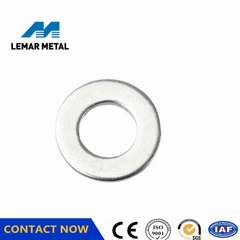
Spring washers are mechanical fasteners designed to create a spring - like action. They are typically used to prevent loosening of nuts and bolts due to vibration, thermal expansion, or other dynamic forces. There are several types of spring washers, such as Stainless Steel Spring Washers, Stainless Steel Spring Lock Washers, and Internal Tooth Starlock Washers. Each type has its unique characteristics and applications.
Factors Affecting Reusability
- Material and Surface Condition
The material of the spring washer plays a significant role in determining its reusability. For instance, stainless steel spring washers are known for their corrosion resistance. If a stainless steel spring washer has not been exposed to harsh chemicals or extreme environmental conditions that could cause corrosion, it has a higher chance of being reusable. However, if the surface of the washer shows signs of pitting, rust, or significant wear, it may not be suitable for reuse.
Surface finish also matters. A washer with a smooth finish is less likely to have stress concentrations. But if the finish has been damaged during initial use, it can lead to premature failure upon reuse. For example, if a spring washer has been scratched, it may develop cracks under stress in subsequent applications. - Deformation and Fatigue
Spring washers work by deforming elastically to create a pre - load. However, if they have been over - tightened or subjected to excessive loads during their first use, they may undergo plastic deformation. Once a spring washer has been plastically deformed, its ability to provide the required spring force is compromised.
Fatigue is another critical factor. Every time a spring washer is loaded and unloaded, it experiences cyclic stress. Over time, this can lead to fatigue cracks. If a washer has been used in a high - vibration environment, the risk of fatigue failure is significantly increased. Even if there are no visible cracks, the internal structure of the washer may have been weakened, making it unreliable for reuse. - Application Requirements
The nature of the application also influences reusability. In critical applications such as aerospace or automotive engines, where safety is of utmost importance, reusing spring washers is generally not recommended. These industries have strict standards to ensure the reliability of components. On the other hand, in less critical applications like furniture assembly or non - structural machinery, reusing a spring washer may be acceptable if it meets the basic requirements of the application.
Testing for Reusability
- Visual Inspection
A simple yet effective way to assess a spring washer's reusability is through visual inspection. Check for any visible signs of damage, such as cracks, deformation, or corrosion. Look at the edges of the washer; sharp edges that have become dull or chipped may indicate excessive wear.
Measure the dimensions of the washer. A significant change in thickness or outer diameter can be a sign of plastic deformation. Compare the used washer with a new one of the same type to get a better idea of its condition. - Spring Force Testing
To accurately determine if a spring washer can still provide the necessary spring force, a spring force test can be conducted. This involves measuring the force required to compress the washer to a specific height. If the measured force is within the acceptable range for the washer's specifications, it may be suitable for reuse. However, specialized equipment is required for this test, and it may not be feasible for all users.
Advantages and Disadvantages of Reusing Spring Washers
- Advantages
Cost - savings are the most obvious advantage of reusing spring washers. In large - scale projects, the cost of purchasing new washers for every application can add up quickly. By reusing suitable washers, significant savings can be achieved.
Environmental benefits are also associated with reuse. Manufacturing new spring washers requires raw materials and energy. Reusing existing washers reduces the demand for new production, which in turn conserves resources and reduces waste. - Disadvantages
The main disadvantage is the risk of failure. A reused spring washer that is not in proper condition can lead to loose connections, which may cause equipment malfunction or even safety hazards. In applications where reliability is crucial, the potential cost of a failure far outweighs the savings from reusing a washer.
There is also a time and labor cost associated with inspecting and testing washers for reuse. If the process is not carried out correctly, it can lead to incorrect decisions about reusability, increasing the risk of problems in the final assembly.
Guidelines for Reusing Spring Washers
- Inspection and Testing
Before considering reusing a spring washer, conduct a thorough visual inspection. If possible, perform spring force testing to ensure it meets the required specifications. Only use washers that pass these checks. - Proper Storage
If you plan to reuse spring washers, store them properly. Keep them in a dry, clean environment to prevent corrosion. Use labeled containers to separate different types and sizes of washers. - Documentation
Maintain records of the usage history of the washers. This includes information about the initial application, the loads they were subjected to, and the results of any inspections. Documentation helps in making informed decisions about reuse and can also be useful for quality control purposes.
Conclusion
In conclusion, the reusability of spring washers depends on multiple factors, including material, surface condition, deformation, fatigue, and application requirements. While there are potential cost and environmental benefits to reusing spring washers, it is essential to approach the process with caution.
As a spring washer supplier, I encourage customers to carefully evaluate the condition of their washers before deciding to reuse them. If you have any questions or need more information about spring washers, whether it's about their reusability or choosing the right type for your application, feel free to contact us for further discussion and potential procurement opportunities. We are here to help you make the best decisions for your projects.


References
- Machinery's Handbook, 31st Edition
- ASME Standards on Fasteners and Washers
- ASTM Standards for Spring Materials
Send Inquiry