






Can anchor bolts be used in high - temperature environments?
Jul 23, 2025
Leave a message
As an anchor bolt supplier with years of experience in the industry, I often receive inquiries from clients about the suitability of anchor bolts in high-temperature environments. This is a crucial question, especially for industries such as power generation, metallurgy, and chemical processing, where high temperatures are a common operating condition. In this blog post, I will delve into the topic and provide insights based on scientific knowledge and practical experience.
Understanding Anchor Bolts
Before we discuss the use of anchor bolts in high-temperature environments, let's first understand what anchor bolts are. Anchor bolts are fasteners used to attach structural elements to concrete foundations. They come in various shapes and sizes, including the Foundation Bolt L Type and L Shaped Anchor Bolts. These bolts are essential for ensuring the stability and safety of structures, as they prevent the movement or displacement of equipment and machinery.
The Effects of High Temperatures on Anchor Bolts
High temperatures can have several detrimental effects on anchor bolts. One of the primary concerns is the reduction of the bolt's strength. As the temperature increases, the material properties of the bolt change, leading to a decrease in its yield strength and ultimate tensile strength. This reduction in strength can compromise the integrity of the connection and potentially lead to structural failure.
Another issue is thermal expansion. When exposed to high temperatures, the anchor bolt and the surrounding concrete will expand at different rates. This differential expansion can create significant stress on the bolt, causing it to bend, shear, or even break. In addition, the expansion can also lead to the loosening of the bolt, which can further compromise the stability of the structure.
Factors Affecting the Performance of Anchor Bolts in High-Temperature Environments
Several factors can influence the performance of anchor bolts in high-temperature environments. These include:
- Material Selection: The choice of material is crucial when using anchor bolts in high-temperature applications. Some materials, such as stainless steel and alloy steel, have better heat resistance properties than others. For example, stainless steel contains chromium, which forms a protective oxide layer on the surface of the bolt, preventing corrosion and oxidation at high temperatures.
- Coating and Finish: Applying a suitable coating or finish to the anchor bolt can enhance its resistance to high temperatures. For instance, ceramic coatings can provide thermal insulation and protect the bolt from direct contact with high-temperature gases or liquids.
- Design and Installation: Proper design and installation are essential for ensuring the performance of anchor bolts in high-temperature environments. The bolt should be designed to withstand the expected temperature and load conditions, and it should be installed correctly to minimize stress concentrations and ensure a secure connection.
Types of Anchor Bolts Suitable for High-Temperature Environments
Not all anchor bolts are suitable for high-temperature applications. However, there are several types of bolts that are specifically designed to withstand high temperatures. These include:

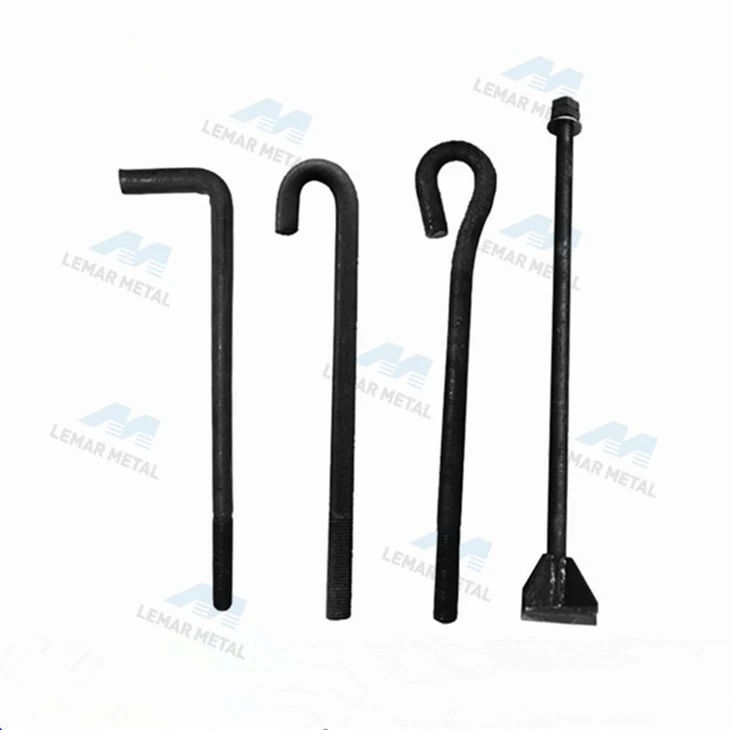
- High-Temperature Alloy Bolts: These bolts are made from special alloys that have excellent heat resistance properties. They can maintain their strength and integrity at elevated temperatures, making them ideal for use in high-temperature environments.
- Ceramic-Coated Bolts: As mentioned earlier, ceramic coatings can provide thermal insulation and protect the bolt from high temperatures. Ceramic-coated bolts are often used in applications where the bolt is exposed to extreme heat, such as in furnaces and kilns.
- Threaded Rods with Heat-Resistant Nuts and Washers: Threaded rods can be used in combination with heat-resistant nuts and washers to create a secure connection in high-temperature environments. The heat-resistant nuts and washers are designed to withstand the high temperatures and prevent the bolt from loosening.
Case Studies
To illustrate the importance of using suitable anchor bolts in high-temperature environments, let's look at a few case studies.
Case Study 1: Power Generation Plant
In a power generation plant, a steam turbine was experiencing excessive vibration due to the loosening of the anchor bolts. The bolts were made from a standard carbon steel, which was not suitable for the high-temperature environment of the plant. As a result, the bolts had lost their strength and were unable to hold the turbine in place. The plant management replaced the bolts with high-temperature alloy bolts, which solved the problem and improved the reliability of the turbine.
Case Study 2: Chemical Processing Plant
In a chemical processing plant, a reactor vessel was leaking due to the failure of the anchor bolts. The bolts had been exposed to high temperatures and corrosive chemicals, which had caused them to corrode and break. The plant engineers replaced the bolts with ceramic-coated bolts, which provided excellent protection against the high temperatures and chemicals. The new bolts have been in service for several years without any issues.
Conclusion
In conclusion, anchor bolts can be used in high-temperature environments, but it is essential to choose the right type of bolt and ensure proper installation. The selection of the bolt should be based on the specific temperature and load conditions of the application, as well as the material properties and design requirements. By considering these factors and using suitable anchor bolts, you can ensure the safety and reliability of your structures in high-temperature environments.
If you are in need of anchor bolts for high-temperature applications, please feel free to contact us. Our team of experts can provide you with the right solutions and advice to meet your specific needs. We are committed to providing high-quality products and excellent customer service, and we look forward to working with you.
References
- "High Temperature Materials for Structural Applications," ASM International Handbook Committee.
- "Design and Installation of Anchor Bolts in High-Temperature Environments," American Institute of Steel Construction.
- "Thermal Expansion and Contraction of Materials," National Institute of Standards and Technology.
Send Inquiry