


Can slotted nuts be used in elevator systems?
Jun 11, 2025
Leave a message
Hey there! As a slotted nut supplier, I often get asked a bunch of questions about where our products can be used. One question that pops up quite a bit is, "Can slotted nuts be used in elevator systems?" Well, let's dig into this topic and find out.
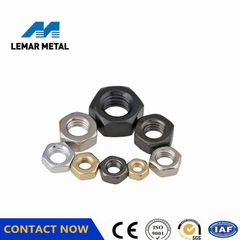
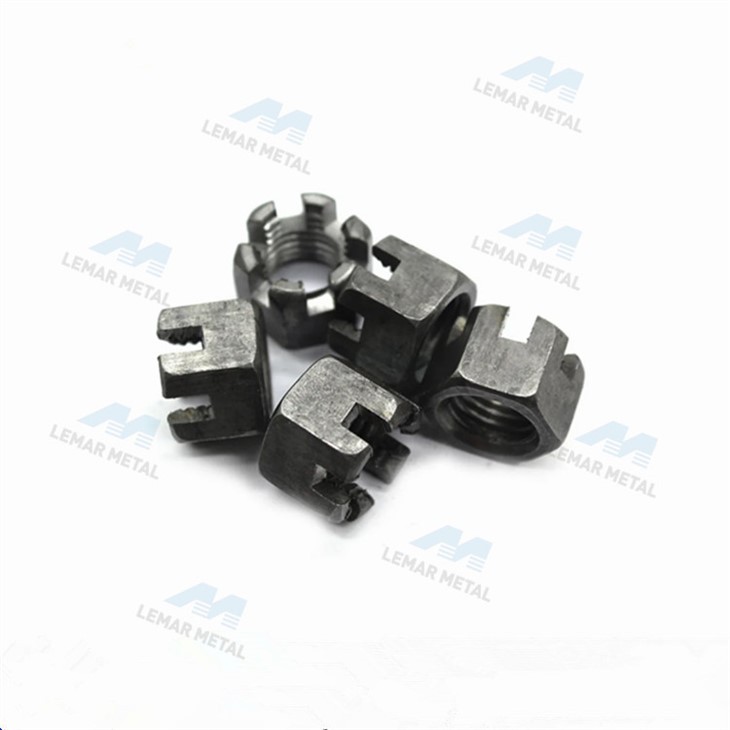
First off, let's talk a bit about what slotted nuts are. Slotted nuts, like the Steel Hex Castle Nut, Hex Slotted Castle Nut, and Hexagon Castle Nut, are unique. They have slots cut into the top part of the nut. These slots are used in conjunction with a cotter pin. The cotter pin is inserted through the slots and a hole in the bolt or stud, which helps to lock the nut in place and prevent it from loosening due to vibration or other forces.
Now, elevator systems are complex pieces of machinery. They have to be super reliable because people's lives depend on them. There are a lot of moving parts in an elevator, and each part needs to be secured properly. That's where slotted nuts come into play.
One of the main concerns in elevator systems is vibration. Elevators move up and down constantly, and this movement can cause bolts and nuts to loosen over time. If a nut were to come loose, it could lead to all sorts of problems, from minor malfunctions to major safety hazards. Slotted nuts, with their locking mechanism using cotter pins, are great at preventing this kind of loosening. They provide an extra level of security that regular nuts just can't match.
Another important factor is the load that elevator components have to bear. Elevators carry a significant amount of weight, whether it's people, goods, or both. The nuts used in elevator systems need to be able to handle these heavy loads without failing. Slotted nuts are typically made from high - strength materials like steel. Steel is known for its durability and ability to withstand high stress. So, when it comes to handling the heavy loads in an elevator, slotted nuts are a good choice.
Let's look at some specific areas in an elevator where slotted nuts could be used. In the elevator car itself, there are various parts that need to be secured. For example, the doors of the elevator need to be attached firmly to the car frame. Slotted nuts can be used to secure the hinges and other components of the doors. This ensures that the doors open and close smoothly and stay in place while the elevator is in motion.
The hoistway, which is the shaft where the elevator moves, also has many parts that require proper fastening. The guide rails, which keep the elevator car moving in a straight line, need to be securely attached to the walls of the hoistway. Slotted nuts can be used to fasten the brackets that hold the guide rails in place. This helps to keep the guide rails aligned correctly and ensures the smooth operation of the elevator.
In the machinery room of an elevator, there are motors, gears, and other mechanical components. These parts need to be held together tightly to prevent any misalignment or damage. Slotted nuts can be used to secure the bolts that hold these components in place. By using slotted nuts, we can reduce the risk of the machinery coming apart due to vibration or other forces.
However, it's not all sunshine and rainbows when it comes to using slotted nuts in elevator systems. There are some challenges as well. One of the challenges is the installation process. Installing slotted nuts and cotter pins requires a bit more skill and time compared to regular nuts. The holes in the bolt or stud need to be aligned properly with the slots in the nut, and then the cotter pin needs to be inserted and bent correctly. This means that the maintenance and installation teams working on elevators need to be trained properly to use slotted nuts effectively.

Another consideration is the cost. Slotted nuts are generally more expensive than regular nuts. This is because of the additional manufacturing steps involved in creating the slots and the fact that they often come with cotter pins. For elevator manufacturers and maintenance companies, this can add to the overall cost of the elevator system. But when you consider the safety and reliability benefits that slotted nuts provide, the extra cost might be worth it.
In terms of regulations and standards, elevator systems are highly regulated. There are strict safety codes that elevator manufacturers and installers have to follow. These codes specify the types of materials and components that can be used in an elevator. Before using slotted nuts in an elevator system, it's important to make sure that they meet all the relevant standards. Most high - quality slotted nuts, like the ones we supply, are designed to meet industry standards. But it's still a good idea to double - check.
So, to answer the question, yes, slotted nuts can definitely be used in elevator systems. They offer a reliable way to secure the various components of an elevator and prevent loosening due to vibration and heavy loads. However, there are some things to consider, like the installation process and cost.
If you're in the elevator manufacturing or maintenance business and are interested in using slotted nuts for your projects, we'd love to hear from you. We can provide you with high - quality slotted nuts that meet all the necessary standards. Whether you need Steel Hex Castle Nut, Hex Slotted Castle Nut, or Hexagon Castle Nut, we've got you covered. Just reach out to us, and we can have a chat about your specific needs.
References:
- "Elevator Safety Standards and Guidelines" - Published by the International Elevator Safety Association
- "Mechanical Fasteners: Types and Applications" - A technical guide on fasteners used in various industries.
Send Inquiry