

How do you install bolts properly?
Jun 04, 2025
Leave a message
Hey there! I'm a supplier of bolts, and I've seen firsthand how crucial it is to install bolts properly. Whether you're a DIY enthusiast or a professional in the construction industry, getting the bolt installation right can make all the difference in the safety and durability of your project. So, let's dive into how you can install bolts properly.
Understanding Your Bolts
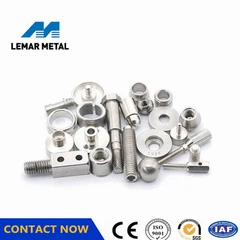
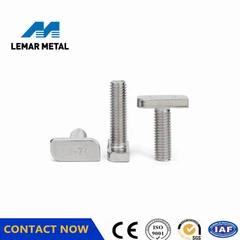
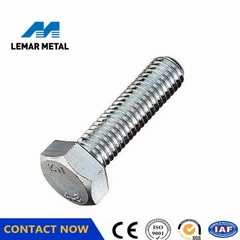
First things first, you need to understand the type of bolts you're working with. There are different types of bolts, each designed for specific applications. For example, there are hex bolts, carriage bolts, and anchor bolts. Hex bolts are the most common and are used in a wide range of applications. They have a hexagonal head and are tightened with a wrench. Carriage bolts, on the other hand, have a rounded head and a square section under the head that prevents the bolt from turning when the nut is tightened. Anchor bolts are used to attach objects to concrete or masonry.
As a bolts supplier, I always recommend choosing the right bolt for the job. You need to consider factors like the load the bolt will bear, the environment it will be in (e.g., wet or dry), and the material it will be attached to. If you're not sure which bolt to use, don't hesitate to reach out to me. I've got the expertise to help you make the right choice.
Gathering the Right Tools
Once you've selected the appropriate bolts, it's time to gather the tools you'll need for the installation. The basic tools for bolt installation include a wrench or socket set, a drill (if you need to make holes), a hammer, and a measuring tape. Make sure your tools are in good condition and the right size for the bolts you're using. Using the wrong size tool can damage the bolt or the material you're attaching it to.
For example, if you're using a hex bolt, you'll need a wrench that fits the size of the bolt head. If the wrench is too small, it won't be able to grip the bolt properly, and if it's too big, it can slip and cause injury. A good quality socket set is also a great investment as it can handle different sizes of bolts.
Preparing the Work Area
Before you start installing the bolts, it's important to prepare the work area. Clean the surface where you'll be installing the bolts to remove any dirt, debris, or rust. This will ensure a good connection between the bolt and the material. If you're installing bolts in concrete or masonry, you may need to drill holes first. Use a drill bit that's the right size for the bolts you're using.
Measure the distance between the holes carefully to ensure they're in the right position. You can use a measuring tape or a template to mark the holes. Make sure the holes are straight and the right depth. If the holes are too shallow, the bolts won't be able to hold properly, and if they're too deep, it can weaken the material.
Installing the Bolts
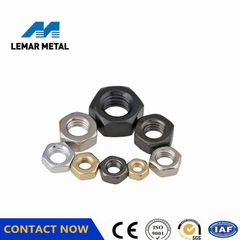
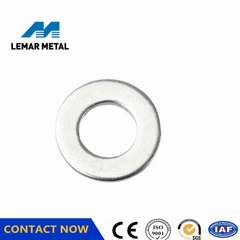
Now, it's time to install the bolts. If you're using a hex bolt, insert the bolt through the holes in the materials you're joining. Place a washer on the bolt if necessary. Washers help distribute the load evenly and prevent the bolt from damaging the material. Then, thread the nut onto the bolt and tighten it with a wrench. Start by hand-tightening the nut to ensure it's properly aligned, and then use the wrench to tighten it further.
When tightening the bolt, make sure you're applying the right amount of torque. Over-tightening can damage the bolt or the material, while under-tightening can cause the bolt to come loose. You can use a torque wrench to ensure you're applying the correct torque. If you don't have a torque wrench, you can use your best judgment based on the size and type of the bolt.
For carriage bolts, insert the bolt through the holes with the rounded head on the outside. The square section under the head will prevent the bolt from turning when you tighten the nut. Once the bolt is in place, thread the nut onto the bolt and tighten it as described above.
Anchor bolts are a bit different. If you're using expansion anchor bolts, insert the bolt into the pre-drilled hole in the concrete or masonry. Then, use a hammer to tap the bolt in until it's flush with the surface. As you tighten the nut, the expansion sleeve on the bolt will expand, creating a secure hold in the material.
Using Antiluce Drop Lock Bolts
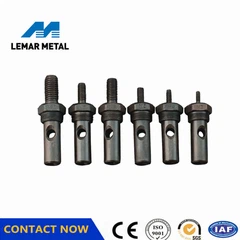
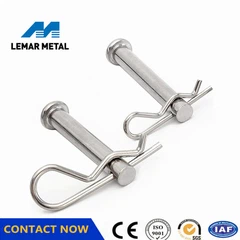
One type of bolt that I highly recommend for certain applications is the Antiluce Drop Lock. These bolts are designed with a unique locking mechanism that prevents them from coming loose due to vibration or movement. They're great for applications where safety is a concern, such as in machinery or automotive parts.
When installing Antiluce Drop Lock bolts, follow the same basic steps as described above. However, make sure you're familiar with the specific installation instructions for these bolts. The locking mechanism may require a special tool or technique to ensure proper installation.
Checking the Installation
After you've installed the bolts, it's important to check the installation to make sure everything is secure. Give the bolts a gentle tug to see if they're loose. If you notice any movement or if the bolts seem loose, tighten them further. You can also use a torque wrench to double-check the torque.
Inspect the bolts and the surrounding area for any signs of damage. Look for cracks in the material, stripped threads on the bolts, or any other issues. If you find any problems, address them immediately to prevent further damage or safety hazards.
Maintaining the Bolts
Proper maintenance of the bolts is also important to ensure their long-term performance. Regularly inspect the bolts for signs of wear, corrosion, or looseness. If you notice any issues, take the necessary steps to repair or replace the bolts.


In a wet or corrosive environment, you may need to apply a protective coating to the bolts to prevent rust and corrosion. There are different types of coatings available, such as zinc plating or epoxy coatings. Choose the coating that's appropriate for the environment and the type of bolts you're using.
Contact for Purchase and Consultation
If you're in the market for high-quality bolts or need more advice on bolt installation, I'm here to help. As a trusted bolts supplier, I offer a wide range of bolts to meet your needs. Whether you're working on a small DIY project or a large construction job, I've got the right bolts for you.
Don't hesitate to reach out if you have any questions or if you're ready to place an order. I'm committed to providing excellent customer service and ensuring that you get the best products for your projects.
References
- "Bolt Installation Guide" - Construction Handbook
- "Types of Bolts and Their Applications" - Mechanical Engineering Journal
- Manufacturer's instructions for Antiluce Drop Lock bolts
Send Inquiry