

How long do hinges typically last?
Nov 26, 2025
Leave a message
How long do hinges typically last?
As a seasoned hinge supplier, I've encountered numerous inquiries from customers about the lifespan of hinges. The durability of hinges is a crucial factor that impacts both the functionality and aesthetics of various applications, from cabinet doors to industrial machinery. In this blog post, I'll delve into the factors that influence the lifespan of hinges and provide insights into how long you can expect them to last.
Factors Affecting Hinge Lifespan
Several key factors play a significant role in determining how long hinges will endure. Understanding these factors can help you make informed decisions when selecting hinges for your projects.
Material Quality
The material used in hinge construction is perhaps the most critical factor affecting its lifespan. High-quality materials such as stainless steel, brass, and zinc alloy are known for their durability and resistance to corrosion. Stainless steel hinges, for example, are highly resistant to rust and can withstand harsh environments, making them ideal for outdoor applications or areas with high humidity. On the other hand, hinges made from low-quality materials may be prone to rust, wear, and breakage, significantly reducing their lifespan.
Load Capacity
The load capacity of a hinge refers to the maximum weight it can support without compromising its performance. Overloading a hinge can cause excessive stress on its components, leading to premature wear and failure. When selecting hinges, it's essential to consider the weight of the door or lid they will be supporting and choose hinges with a load capacity that exceeds this weight. For heavy-duty applications, such as commercial cabinets or industrial machinery, it's advisable to use hinges with a high load capacity to ensure long-term reliability.
Usage Frequency
The frequency of use also has a significant impact on the lifespan of hinges. Hinges that are used frequently, such as those on kitchen cabinet doors or office furniture, are subject to more wear and tear than those that are used less often. In high-traffic areas, hinges may need to be replaced more frequently to maintain optimal performance. To extend the lifespan of hinges in such applications, it's recommended to choose hinges with a high cycle rating, which indicates the number of times the hinge can be opened and closed before it begins to show signs of wear.
Environmental Conditions
The environment in which hinges are installed can also affect their lifespan. Exposure to moisture, chemicals, and extreme temperatures can cause corrosion, rust, and other forms of damage to the hinge components. In areas with high humidity or frequent exposure to water, such as bathrooms or kitchens, it's important to use hinges that are resistant to corrosion. Additionally, hinges installed in industrial environments may be exposed to chemicals or abrasive materials, which can also shorten their lifespan. In such cases, it's advisable to choose hinges that are specifically designed for these harsh conditions.
Typical Lifespan of Different Types of Hinges
The lifespan of hinges can vary significantly depending on the type of hinge and the factors mentioned above. Here's a general overview of the typical lifespan of some common types of hinges:
Cabinet Hinges
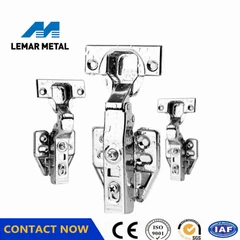
Cabinet hinges are one of the most commonly used types of hinges, found in kitchens, bathrooms, and other furniture applications. The lifespan of cabinet hinges can range from 5 to 20 years, depending on the quality of the hinge, the frequency of use, and the environmental conditions. High-quality cabinet hinges, such as Soft Close Cabinet Door Hinge, are designed to provide smooth and quiet operation and can last for many years with proper maintenance.
Concealed Hinges
Concealed hinges are often used in modern cabinetry to provide a clean and seamless look. These hinges are hidden from view when the cabinet door is closed, making them a popular choice for contemporary designs. The lifespan of concealed hinges is similar to that of cabinet hinges, typically ranging from 5 to 20 years. However, the installation of concealed hinges requires more precision and expertise, so it's important to ensure that they are installed correctly to maximize their lifespan. Concealed Cabinet Door Hinge is a great option for those looking for a high-quality concealed hinge.
Hydraulic Damping Hinges
Hydraulic damping hinges are designed to provide smooth and controlled movement, reducing the impact and noise when the door is opened and closed. These hinges are commonly used in high-end furniture and cabinetry applications. The lifespan of hydraulic damping hinges can be longer than that of traditional hinges, typically ranging from 10 to 25 years. However, the hydraulic fluid in these hinges may degrade over time, so it's important to choose high-quality hinges and follow the manufacturer's maintenance recommendations. Hydraulic Damping Hinge is a reliable option for those looking for a hydraulic damping hinge with a long lifespan.
Industrial Hinges
Industrial hinges are used in heavy-duty applications, such as machinery, equipment, and vehicles. These hinges are designed to withstand high loads, frequent use, and harsh environmental conditions. The lifespan of industrial hinges can vary depending on the specific application and the quality of the hinge. In general, industrial hinges can last anywhere from 5 to 20 years or more, depending on the factors mentioned above. For critical applications, it's advisable to choose industrial hinges from a reputable manufacturer and follow a regular maintenance schedule to ensure long-term reliability.
Extending the Lifespan of Hinges
While the lifespan of hinges is influenced by several factors, there are several steps you can take to extend their lifespan and ensure optimal performance:
Choose High-Quality Hinges
Investing in high-quality hinges is the first step in ensuring long-term reliability. Look for hinges made from durable materials, such as stainless steel or brass, and choose hinges with a high load capacity and cycle rating. High-quality hinges may cost more upfront, but they will save you money in the long run by reducing the need for frequent replacements.
Install Hinges Correctly
Proper installation is crucial for the performance and lifespan of hinges. Make sure to follow the manufacturer's installation instructions carefully and use the correct tools and hardware. Incorrect installation can cause misalignment, excessive stress on the hinge components, and other issues that can lead to premature wear and failure.
Maintain Hinges Regularly
Regular maintenance can help extend the lifespan of hinges and prevent premature wear and failure. Clean the hinges periodically to remove dirt, dust, and debris, and lubricate them with a high-quality lubricant to ensure smooth operation. Inspect the hinges regularly for signs of wear, such as loose screws, bent components, or excessive play, and replace any damaged hinges immediately.


Avoid Overloading Hinges
As mentioned earlier, overloading a hinge can cause excessive stress on its components, leading to premature wear and failure. Make sure to choose hinges with a load capacity that exceeds the weight of the door or lid they will be supporting and avoid placing excessive weight on the door or lid.
Conclusion
The lifespan of hinges can vary significantly depending on several factors, including material quality, load capacity, usage frequency, and environmental conditions. By understanding these factors and taking the necessary steps to extend the lifespan of hinges, you can ensure optimal performance and reliability for your applications. As a hinge supplier, I'm committed to providing high-quality hinges that meet the needs of our customers and offer long-term value. If you have any questions or need assistance in selecting the right hinges for your project, please don't hesitate to [contact us] for a consultation. We look forward to working with you and helping you find the perfect hinges for your needs.
References
- "Hinge Selection Guide," Fastenal Company.
- "How to Choose the Right Hinge," The Home Depot.
- "Understanding Hinge Load Capacity," Blum Inc.
Send Inquiry