


What is the breaking point of a latchclip?
Nov 25, 2025
Leave a message
Hey there! I'm a supplier of latchclips, and today I wanna dive deep into the question: What is the breaking point of a latchclip? This is a topic that's super important for anyone who uses or supplies these nifty little things. Whether you're in the manufacturing industry, a DIY enthusiast, or just someone who's curious about how stuff works, understanding the breaking point of a latchclip can save you a lot of headaches down the road.
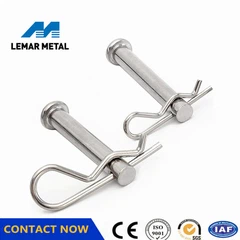
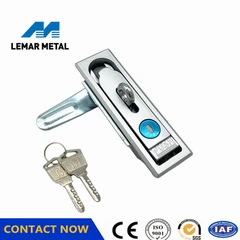
First off, let's talk about what a latchclip is. In simple terms, a latchclip is a device used to hold two objects together. It's kinda like a little mechanical hand that grabs onto things and keeps them in place. There are all sorts of latchclips out there, each designed for different purposes. For example, the Paddle Handle Latch is great for applications where you need easy access and quick opening and closing. On the other hand, the Catch Toggle Clamp is more suited for situations where you need a strong, secure hold.
Now, let's get to the meat of the matter: the breaking point. The breaking point of a latchclip is the maximum amount of force or stress it can withstand before it fails. This failure can take different forms, like the clip breaking into pieces, losing its grip, or deforming to the point where it can't function properly anymore.
There are several factors that can affect the breaking point of a latchclip. One of the most obvious ones is the material it's made of. Latchclips can be made from a variety of materials, including metals like steel, aluminum, and brass, as well as plastics. Each material has its own unique properties that determine its strength and durability.
Steel is a popular choice for latchclips because it's strong and can handle a lot of stress. However, it's also relatively heavy and can be prone to rust if not properly treated. Aluminum, on the other hand, is lighter and more corrosion-resistant, but it may not be as strong as steel. Brass is another option that offers a good balance of strength and corrosion resistance, but it can be more expensive.
Plastic latchclips are becoming more and more common because they're lightweight, inexpensive, and can be molded into all sorts of shapes. However, they generally have a lower breaking point compared to metal latchclips. The type of plastic used also matters. Some plastics are more brittle and prone to cracking, while others are more flexible and can withstand more stress.
Another factor that affects the breaking point is the design of the latchclip. The shape, size, and number of components all play a role in determining how much force the clip can handle. For example, a latchclip with a simple design and fewer moving parts may be stronger than one with a more complex design. The way the clip is attached to the objects it's holding can also impact its breaking point. If the attachment is weak or loose, the clip may fail more easily.
The environment in which the latchclip is used is also important. Extreme temperatures, humidity, and exposure to chemicals can all weaken the material and reduce the breaking point. For example, if a latchclip is used in a hot and humid environment, it may be more prone to corrosion, which can eat away at the material and make it weaker.
So, how do you determine the breaking point of a latchclip? Well, there are a few ways. One common method is to conduct a stress test. In a stress test, a known amount of force is applied to the latchclip until it fails. The force at which the clip fails is then recorded as its breaking point. This test can be done in a laboratory setting using specialized equipment, or it can be done in the field using simple tools.
Another way to estimate the breaking point is to look at the manufacturer's specifications. Most reputable latchclip manufacturers will provide information about the maximum load capacity or breaking point of their products. However, it's important to keep in mind that these specifications are often based on ideal conditions and may not reflect the actual performance of the clip in real-world situations.


It's also a good idea to consider the application when determining the breaking point. For example, if you're using a latchclip to hold a heavy object in place, you'll need a clip with a higher breaking point. On the other hand, if you're using the clip for a light-duty application, a clip with a lower breaking point may be sufficient.
As a latchclip supplier, I know how important it is to choose the right clip for the job. That's why I offer a wide range of latchclips made from different materials and with different designs to meet the needs of my customers. Whether you need a Paddle Handle Latch for a quick-release application or a Catch Toggle Clamp for a secure hold, I've got you covered.
If you're in the market for latchclips and want to learn more about the breaking point and which clip is right for your application, don't hesitate to reach out. I'm here to help you make the best choice and ensure that your projects run smoothly. Whether you're a large manufacturer or a small DIYer, I can provide you with high-quality latchclips at competitive prices.
In conclusion, understanding the breaking point of a latchclip is crucial for anyone who uses or supplies these devices. By considering factors like the material, design, environment, and application, you can choose the right latchclip for your needs and avoid costly failures. If you have any questions or need more information, feel free to contact me. I'm always happy to chat and help you find the perfect latchclip for your project.
References
- General knowledge about mechanical engineering and latchclip manufacturing.
- Industry standards and best practices for latchclip design and testing.
Send Inquiry