

What is the role of a nut in combination with a bolt?
May 21, 2025
Leave a message
Hey there! As a bolts supplier, I've been in the fastener game for quite a while, and I often get asked about the role of a nut when paired up with a bolt. It might seem like a simple question, but there's actually a whole lot more to it than meets the eye.
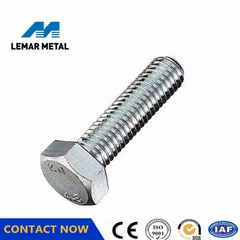
Let's start with the basics. A bolt is a type of fastener with a threaded shaft and a head. It's designed to be inserted through holes in two or more parts, and then a nut is screwed onto the threaded end of the bolt. This combination creates a strong joint that holds the parts together.
One of the primary roles of a nut is to provide a clamping force. When you tighten a nut onto a bolt, it squeezes the parts between the bolt head and the nut. This clamping force is what keeps the parts from moving relative to each other. Think about a bridge. The bolts and nuts used to hold the steel beams together need to create a really strong clamping force to withstand the weight of the traffic and the forces of nature. Without that proper clamping force, the beams could shift, and the whole structure could become unstable.
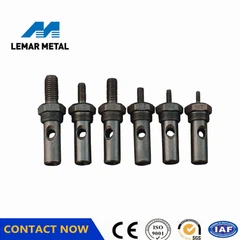
Another important role of the nut is to prevent the bolt from loosening. Over time, vibrations, temperature changes, and other external factors can cause a bolt to gradually come loose. A well - tightened nut helps to counteract these forces. There are different types of nuts that are specifically designed to resist loosening. For example, the Antiluce Drop Lock (/bolts/antiluce-drop-lock.html) is a great option. It has unique features that make it less likely to come undone, even in high - vibration environments. This is super important in applications like automotive engines, where loose bolts can lead to serious problems.
The nut also allows for adjustability. Sometimes, you might need to fine - tune the position or the tension of the parts being joined. By turning the nut, you can increase or decrease the clamping force. This is handy in machinery where precise alignment is crucial. For instance, in a printing press, the bolts and nuts are used to hold various components in place, and being able to adjust the tension ensures that the printing quality is consistent.
Now, let's talk about the materials and compatibility. Nuts and bolts need to be made from compatible materials. If you use a nut and a bolt made from different metals that are prone to galvanic corrosion, it can weaken the joint over time. For example, if you pair a steel bolt with a copper nut in a moist environment, the chemical reaction between the two metals can cause rusting and degradation. So, as a bolts supplier, I always make sure to recommend the right combination of materials based on the application.
In terms of installation, getting the right torque when tightening the nut onto the bolt is crucial. If you don't tighten the nut enough, the joint won't be secure, and the parts can move. On the other hand, if you over - tighten it, you can damage the threads on the bolt or the nut, or even break the bolt. That's why it's important to use a torque wrench to ensure that you're applying the correct amount of force.
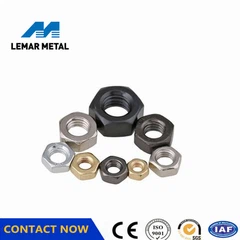
There are also different types of nuts for different applications. Hex nuts are the most common type. They have six sides, which makes them easy to grip with a wrench. Wing nuts, on the other hand, have two "wings" that you can turn by hand. They're often used in applications where you need to make frequent adjustments, like on a lamp shade or a garden hose connector.
In industrial settings, the role of the nut - bolt combination becomes even more critical. In manufacturing plants, heavy machinery is held together by countless bolts and nuts. A single loose nut can lead to machine breakdowns, which can cause costly production delays. That's why regular maintenance and inspection of the nut - bolt joints are essential.
For construction projects, the right nut - bolt combination can make or break the safety of a building. High - strength bolts and nuts are used in steel structures to ensure that the building can withstand earthquakes, strong winds, and other natural disasters. The design and installation of these fasteners are carefully regulated to meet strict safety standards.
When it comes to DIY projects, understanding the role of a nut in combination with a bolt is also important. Whether you're building a bookshelf or fixing a piece of furniture, using the right type of nut and tightening it properly will ensure that your project is sturdy and long - lasting.
As a bolts supplier, I've seen firsthand the importance of getting the nut - bolt combination right. I've worked with customers from various industries, from automotive to aerospace, and each application has its own unique requirements. That's why I'm always here to help you choose the right bolts and nuts for your specific needs.


If you're in the market for high - quality bolts and need advice on the best nuts to pair them with, don't hesitate to reach out. Whether you're a professional in the industry or a DIY enthusiast, I'm happy to assist you. Let's work together to ensure that your projects are held together with the strongest and most reliable fasteners.
References
- Machinery's Handbook, 31st Edition
- Fasteners: Design, Application, and Testing by John H. Bickford
Send Inquiry