

What's the difference between 'fitting' and 'appropriate'?
Dec 25, 2025
Leave a message
Hey there! As a fitting supplier, I often get asked about the difference between "fitting" and "appropriate." At first glance, these two words might seem pretty similar, but they actually have some distinct meanings, especially when it comes to our line of work.
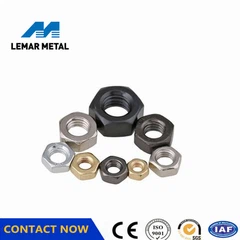
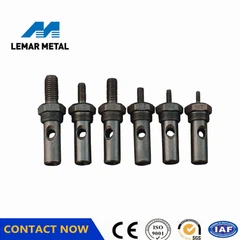
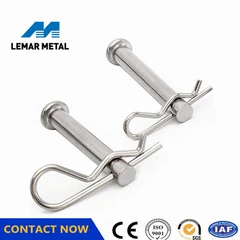
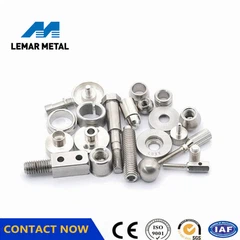
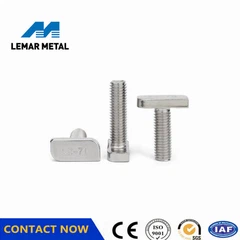
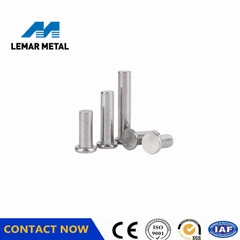
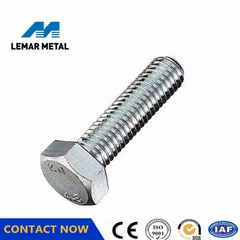
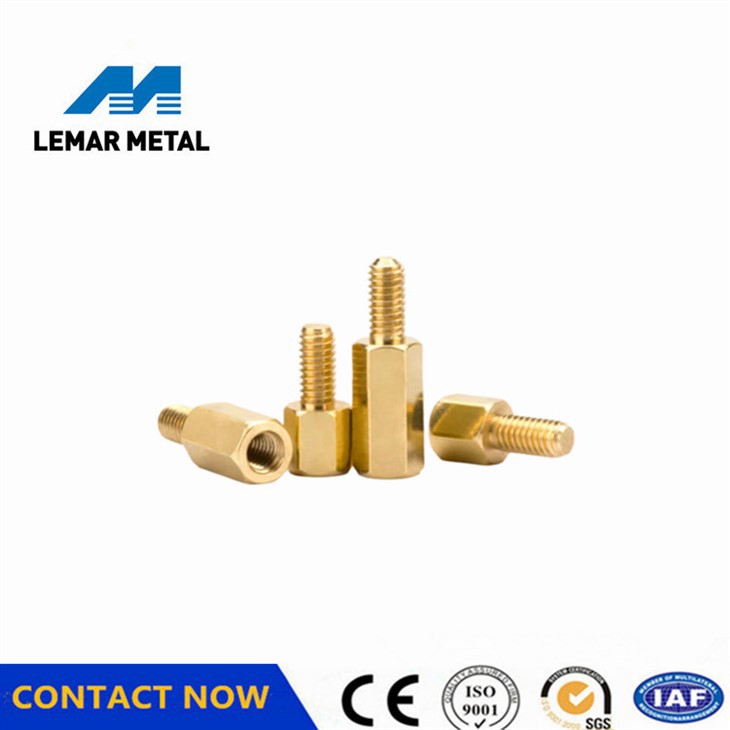
Let's start with the word "fitting." In the context of my business, a fitting is a physical component. It's something like a Hexagonal Double - Pass Copper Column or a Hex Copper Pillar. These are the nuts, bolts, connectors, and other parts that are used to join different pieces together. They have to fit precisely in terms of size, shape, and material. For example, if you're building a complex machinery system, you need fittings that are the right size to connect the various pipes or rods. A fitting that's too big won't fit into the socket, and one that's too small will be loose and won't provide a secure connection.
In a more general sense, "fitting" can also describe something that is well - matched in a non - physical way. Like when we say a certain style of clothing is a fitting choice for a particular occasion. It means that the style, color, and overall look go well with the event. But in my industry, it's mainly about that physical compatibility.
Now, let's talk about "appropriate." This word is more about context and suitability. Something is appropriate when it makes sense in a given situation, taking into account various factors like social norms, rules, and the purpose of the action or thing. For instance, in a professional business meeting, it's appropriate to wear formal attire. It's not just about how well the clothes fit your body (though that's a part of it), but it's also about conforming to the unwritten rules of the business environment.
In the world of fittings, appropriateness comes into play when choosing the right type of fitting for a specific job. A Hexagonal Double - Pass Copper Column might be appropriate for a high - pressure plumbing system because copper is a durable and corrosion - resistant material, and the double - pass design allows for efficient flow. But if you're working on a low - pressure, non - corrosive project, a different type of fitting might be more appropriate. You have to consider things like the medium flowing through the system (water, gas, etc.), the temperature, and the pressure.
Another aspect where the difference becomes clear is in the use of the words in a sentence. For example, you might say, "This pipe fitting fits perfectly into the socket." Here, "fits" refers to the physical act of the two parts joining together. But if you say, "This type of fitting is appropriate for this kind of project," you're talking about the overall suitability of that fitting for the task at hand.
Let's take a real - life scenario. Suppose you're building a home irrigation system. You need to choose the right fittings. First, you look for fittings that physically fit your pipes. You measure the diameter of the pipes and find fittings that match those measurements. That's the "fitting" part. But then, you also need to consider appropriateness. You need to think about whether the fittings are suitable for outdoor use, exposed to the elements. You might choose materials like PVC or brass, which are appropriate for water - based systems and can withstand the weather.
As a fitting supplier, I deal with both concepts every day. When customers come to me, they often have specific requirements in terms of the physical fit of the fittings. But they also rely on my expertise to help them choose the appropriate fittings for their projects. I need to know not only the dimensions and features of each product but also which ones are best suited for different applications.
For example, if someone is working on a DIY plumbing project at home, they might be more concerned with finding a fitting that fits their existing pipes. But I also have to make sure they choose an appropriate fitting based on the type of water supply, whether it's a hot or cold water system, and any local plumbing codes.
In the industrial setting, the importance of both fitting and appropriate choices is even more critical. A single wrong fitting can lead to leaks, system failures, and even safety hazards. So, we always advocate for a careful selection process. We provide detailed product information to help our customers make the right decisions.
If you're in the market for high - quality fittings, whether it's for a small home project or a large - scale industrial application, you've come to the right place. We have a wide range of products like the Hexagonal Double - Pass Copper Column and Hex Copper Pillar. Our team of experts is here to assist you in choosing the fittings that not only fit your requirements physically but are also appropriate for your specific project.
If you want to learn more about our products or discuss your project needs, don't hesitate to reach out. We're more than happy to have a detailed chat and help you find the perfect solutions.
References

- Merriam - Webster Dictionary
- Oxford English Dictionary
- General industry knowledge and experience in fitting supply
Send Inquiry