


How long do hexagon nuts last?
Dec 25, 2025
Leave a message
Hexagon nuts are ubiquitous components in various industries, ranging from construction and manufacturing to automotive and electronics. Their durability is a crucial factor that determines the reliability and longevity of the structures and machinery they are used in. As a trusted hexagon nut supplier, I often receive inquiries about how long these nuts can last. In this blog, I will delve into the factors that influence the lifespan of hexagon nuts and provide insights on how to maximize their durability.
Material Matters
The material of a hexagon nut plays a significant role in determining its lifespan. Different materials have varying levels of resistance to corrosion, wear, and mechanical stress.
Metal Nuts
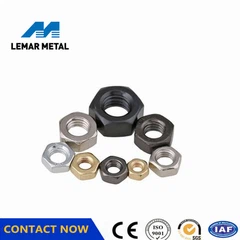
- Steel: Steel hexagon nuts are the most common type due to their strength, affordability, and wide availability. However, their lifespan can be affected by corrosion, especially if used in harsh environments. Galvanized steel nuts offer better corrosion resistance as they are coated with a layer of zinc, which can extend their lifespan significantly. For example, in outdoor construction projects where the nuts are exposed to moisture and oxygen, galvanized steel nuts can last for several decades. Iron Hexagon Nut is a popular product in this category.
- Stainless Steel: Stainless steel nuts are known for their excellent corrosion resistance, making them ideal for applications in aggressive environments such as marine or chemical industries. They contain chromium, which forms a passive oxide layer on the surface, preventing further corrosion. Stainless steel hexagon nuts can last for a very long time, often exceeding 50 years with proper installation and maintenance.
- Brass: Brass nuts are valued for their aesthetic appeal and good corrosion resistance. They are often used in decorative applications and electrical installations. While they are not as strong as steel or stainless - steel nuts, they can last for many years, especially in low - stress environments.
Plastic Nuts
Plastic Hex Nut are lightweight, non - conductive, and resistant to corrosion. They are commonly used in electronics, where electrical insulation is required, and in applications where weight is a concern. However, their durability is limited compared to metal nuts. Plastic nuts can degrade over time due to exposure to heat, sunlight, and certain chemicals. In general, their lifespan can range from a few years to a decade, depending on the specific application and environmental conditions.
Environmental Factors
The environment in which hexagon nuts are used has a profound impact on their lifespan.
Corrosive Environments
- Moisture: Moisture is one of the main culprits that cause corrosion in metal nuts. In humid or wet conditions, such as in underground pipelines or coastal areas, the rate of corrosion increases significantly. To mitigate this, using corrosion - resistant materials or applying protective coatings is essential.
- Chemicals: Exposure to chemicals can also corrode metal nuts. For example, in industrial settings where there are chemicals such as acids or alkalis, the nuts need to be made of materials that can withstand chemical attacks. Plastic nuts may be a better choice in some chemical environments as they are generally more resistant to chemical damage.
Temperature
Extreme temperatures can affect the mechanical properties of hexagon nuts. High temperatures can cause metal nuts to expand, which may lead to loosening or stress concentration. Low temperatures can make the nuts more brittle, increasing the risk of cracking. For applications in high - temperature environments, heat - resistant materials such as stainless steel or special alloys should be used. In cold environments, proper insulation and the use of materials with good low - temperature toughness are necessary.
Installation and Maintenance
Proper installation and maintenance are key to ensuring the long - term performance of hexagon nuts.
Installation
- Torque: Applying the correct torque during installation is crucial. Over - tightening can cause the nuts to crack or the threads to strip, while under - tightening can result in loosening over time. Using a torque wrench is recommended to ensure accurate torque application.
- Thread Engagement: Sufficient thread engagement between the nut and the bolt is necessary for a secure connection. Experts generally recommend a minimum of 1.5 times the diameter of the bolt for full - strength engagement.
Maintenance
- Inspection: Regular inspection of the hexagon nuts is essential to detect any signs of damage, corrosion, or loosening early. If any issues are found, the nuts should be replaced immediately.
- Lubrication: Lubricating the nuts can reduce friction during installation and prevent galling. It can also protect the nuts from corrosion by creating a barrier between the metal surface and the environment.
Case Studies
Let's look at some real - world examples to better understand the lifespan of hexagon nuts.
Construction Industry
In a bridge construction project, galvanized steel hexagon nuts were used to secure the structural components. After 30 years of service, a detailed inspection revealed that most of the nuts were in good condition, with only minor signs of corrosion on the surface. The proper selection of materials and the use of a protective coating extended the lifespan of these nuts in the harsh outdoor environment.
Automotive Industry
In a car engine, stainless steel hexagon nuts were used to fasten the engine components. These nuts were exposed to high temperatures, vibrations, and oil. After 150,000 miles of driving, the nuts remained tight and showed no signs of significant wear or corrosion, thanks to the high - quality stainless - steel material and the regular maintenance of the engine.
Maximizing the Lifespan of Hexagon Nuts
Based on the above factors, here are some tips to maximize the lifespan of hexagon nuts:
- Choose the Right Material: Select the material based on the specific application and environmental conditions. For example, use stainless steel nuts in corrosive environments and plastic nuts in low - stress and non - conductive applications.
- Control the Installation Process: Ensure proper torque and thread engagement during installation. Use the right tools and follow the installation guidelines.
- Implement Maintenance Procedures: Regularly inspect the nuts for damage, corrosion, and loosening. Lubricate the nuts when necessary.
Contact Us for Your Hexagon Nut Needs
As a professional hexagon nut supplier, we offer a wide range of high - quality hexagon nuts, including Iron Hexagon Nut, Plastic Hex Nut, and Hex Coupling Nut Female Connector. Our products are made of the finest materials and undergo strict quality control to ensure long - term durability. If you are interested in our products or have any questions about hexagon nut lifespan or selection, please feel free to contact us. We are committed to providing you with the best solutions and excellent customer service.


References
- Machinery's Handbook, 31st Edition
- Corrosion Basics: An Introduction by Roberge, P. R.
- Automotive Fastener Technology by the Society of Automotive Engineers (SAE)
Send Inquiry