


Are there washers for hydraulic systems?
Jul 16, 2025
Leave a message
Are there washers for hydraulic systems?
In the intricate world of hydraulic systems, the question of whether there are washers specifically designed for them is both relevant and important. As a washer supplier, I've delved deep into the realm of washers and their applications in various industries, including the demanding field of hydraulics.
Hydraulic systems are used in a wide range of applications, from heavy - duty construction equipment to precision - controlled industrial machinery. These systems rely on the transfer of fluid power to perform tasks, and every component within the system must be carefully selected to ensure optimal performance and reliability.
Washers play a crucial role in hydraulic systems. They serve multiple functions that contribute to the overall efficiency and safety of the system. One of the primary functions of washers in hydraulic systems is to distribute the load evenly. When a bolt or a nut is tightened, the washer spreads the force over a larger area, preventing damage to the mating surfaces. This is especially important in hydraulic systems where high pressures are involved. Uneven loading can lead to leaks, which are not only a waste of hydraulic fluid but can also pose a safety hazard.
Another important function of washers in hydraulic systems is to provide a seal. In some cases, specialized washers can act as gaskets, preventing the leakage of hydraulic fluid. For example, rubber - coated washers can conform to the surface irregularities and create a tight seal. This is vital for maintaining the pressure within the hydraulic system and ensuring that it operates as intended.
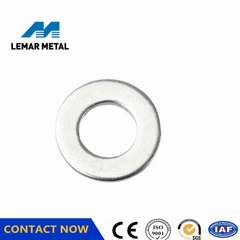
There are several types of washers that are suitable for hydraulic systems. One common type is the flat washer. Flat washers are simple in design but highly effective. They are typically made of materials such as steel or stainless steel, which offer good strength and corrosion resistance. Flat washers are used to prevent the nut or bolt from digging into the surface of the hydraulic component, which could lead to damage over time.
Spring washers are also used in hydraulic systems. These washers have a spring - like action that helps to maintain the tension on the bolt or nut. This is important in hydraulic systems where vibrations can cause bolts to loosen. By providing a constant pressure, spring washers help to keep the connections secure and prevent leaks.
In addition to these common types, there are also more specialized washers for hydraulic systems. For instance, Stainless Steel E Clip Washer is a type of washer that is designed to hold components in place. It is often used in applications where there is a need for a quick and easy way to secure parts. The stainless - steel construction ensures durability and resistance to corrosion, which is essential in hydraulic environments where the fluid may be corrosive.
E Clip Retaining Lock Washer is another specialized washer. It provides a locking mechanism that prevents the nut or bolt from coming loose. This is particularly important in high - vibration hydraulic applications, such as those found in construction equipment. The retaining lock washer helps to maintain the integrity of the connection and reduces the risk of system failure.
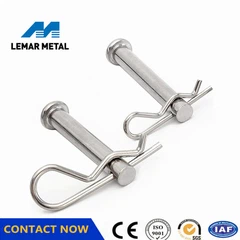
Retaining Ring E - Clip is also a valuable component in hydraulic systems. It is used to secure shafts or other components within a housing. The e - clip design allows for easy installation and removal, which is beneficial for maintenance and repair operations in hydraulic systems.
When selecting washers for hydraulic systems, it is essential to consider several factors. The first factor is the material of the washer. As mentioned earlier, stainless steel is a popular choice due to its corrosion resistance. However, depending on the specific application, other materials such as brass or nylon may also be suitable. For example, nylon washers can be used in applications where electrical insulation is required.
The size and thickness of the washer are also important considerations. The size of the washer must be compatible with the bolt or nut that it is used with. A washer that is too small may not distribute the load evenly, while a washer that is too large may not fit properly. The thickness of the washer can affect its load - bearing capacity and its ability to provide a seal.
The operating conditions of the hydraulic system must also be taken into account. For example, if the system operates at high temperatures, the washer must be able to withstand the heat without deforming or losing its properties. Similarly, if the system is exposed to harsh chemicals, the washer must be resistant to chemical attack.
As a washer supplier, I understand the importance of providing high - quality washers for hydraulic systems. Our company has a wide range of washers that are specifically designed to meet the needs of the hydraulic industry. We work closely with our customers to understand their requirements and provide them with the most suitable washers for their applications.
We also offer customization services. If a customer has unique requirements, such as a specific size, shape, or material, we can manufacture washers to meet those needs. Our state - of - the - art manufacturing facilities and experienced team ensure that we can produce high - quality custom - made washers in a timely manner.


In conclusion, there are indeed washers for hydraulic systems, and they play a vital role in the proper functioning of these systems. Whether it's for load distribution, sealing, or securing components, the right washer can make a significant difference in the performance and reliability of a hydraulic system. If you are in the market for washers for your hydraulic system, I encourage you to reach out to us. We would be more than happy to discuss your requirements and provide you with the best solutions. Contact us to start a procurement discussion and find the perfect washers for your hydraulic applications.
References
- "Hydraulic System Design and Maintenance" by a well - known industry expert.
- Technical manuals from leading hydraulic equipment manufacturers.
- Research papers on the use of fasteners in hydraulic systems.
Send Inquiry