


Can hex screws be used in textile machinery?
Jul 15, 2025
Leave a message
Hey there! As a supplier of hex screws, I often get asked if hex screws can be used in textile machinery. Well, let's dive right into it and find out!
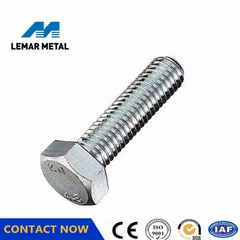
First off, what are hex screws? Hex screws, also known as hexagon socket head cap screws, have a hexagonal socket in the head, which allows for a more secure and efficient tightening compared to regular screws. They come in various sizes, materials, and finishes, making them versatile for different applications.
Now, let's talk about textile machinery. Textile machinery is used in the production of textiles, including spinning, weaving, knitting, and dyeing. These machines are often complex and require high precision and reliability to ensure smooth operation and high - quality output.
So, can hex screws be used in textile machinery? The answer is a resounding yes! Here are some reasons why hex screws are a great fit for textile machinery:
1. High Tensile Strength
Textile machinery often operates under high - speed and high - stress conditions. Hex screws are typically made from materials like stainless steel, alloy steel, or carbon steel, which offer high tensile strength. This means they can withstand the forces and vibrations generated during the operation of the machinery without loosening or breaking. For example, in a high - speed spinning machine, the components need to be held firmly together, and hex screws can provide the necessary strength to keep everything in place.
2. Precise Tightening
The hexagonal socket design of hex screws allows for more precise tightening. Using a hex key or an Allen wrench, you can apply the exact amount of torque required to secure the components. This is crucial in textile machinery, where even a small misalignment or loose connection can lead to defects in the textile products. For instance, in a weaving machine, the warp and weft yarns need to be accurately positioned, and the use of hex screws ensures that the parts responsible for guiding the yarns are tightly and precisely installed.
3. Space - Saving Design
Textile machinery is often compact, with limited space for fasteners. Hex screws have a relatively low - profile head, which takes up less space compared to other types of screws. This makes them ideal for use in areas where space is at a premium. For example, in a knitting machine, there are many small components that need to be assembled in a confined space, and hex screws can be used without interfering with other parts.
4. Corrosion Resistance
Textile manufacturing processes may involve exposure to moisture, chemicals, and dyes. Stainless steel hex screws offer excellent corrosion resistance, which helps to prevent rust and damage to the screws over time. This is especially important in dyeing and finishing processes, where the machinery is in contact with various chemical solutions. Using corrosion - resistant hex screws ensures the longevity and reliability of the machinery.


Now, let's take a look at some specific types of hex screws that can be used in textile machinery:
- Flat Head Confirmat Screw: These screws are great for applications where a flush finish is required. They can be used to secure panels or covers in textile machinery, providing a clean and professional look.
- Socket Cap Shoulder Screws: With their shoulder design, these screws can be used to provide a precise location and support for moving parts in textile machinery. They are often used in mechanisms where accurate alignment is necessary.
- Confirmat Coarse Connecting Wood Screw: Although mainly used for wood connections, in some textile machinery with wooden components, these screws can be a good choice. They offer a strong connection and are easy to install.
However, when using hex screws in textile machinery, there are also some things to keep in mind:
1. Material Compatibility
Make sure the material of the hex screws is compatible with the materials of the components they are fastening. For example, if the machinery has aluminum parts, using stainless steel hex screws is a good idea to avoid galvanic corrosion.
2. Torque Specification
Always follow the recommended torque specifications when tightening hex screws. Over - tightening can lead to thread damage or component deformation, while under - tightening can result in loose connections.
3. Regular Inspection
Periodically inspect the hex screws in the textile machinery for signs of wear, corrosion, or loosening. Replace any damaged or worn screws promptly to prevent potential problems.
In conclusion, hex screws are a fantastic choice for textile machinery. Their high tensile strength, precise tightening capabilities, space - saving design, and corrosion resistance make them well - suited for the demanding environment of textile manufacturing. Whether you're building new textile machinery or maintaining existing equipment, consider using hex screws to ensure the reliability and performance of your machines.
If you're in the market for high - quality hex screws for your textile machinery, I'd love to have a chat with you. We offer a wide range of hex screws in different sizes, materials, and finishes to meet your specific needs. Don't hesitate to reach out for a consultation and let's discuss how we can help you with your fastening requirements.
References
- Machinery's Handbook: A comprehensive guide to mechanical engineering and manufacturing processes, which provides detailed information on fasteners and their applications.
- Textile Machinery Design and Operation Manuals: These manuals offer insights into the specific requirements and best practices for using fasteners in textile machinery.
Send Inquiry