



How to measure the length of a screw?
Oct 07, 2025
Leave a message
As a seasoned screws supplier, I've witnessed the critical role that accurate screw measurement plays in various industries. Whether it's for construction, automotive, or DIY projects, getting the length of a screw right is fundamental to ensuring the success and safety of the work. In this blog, I'll share comprehensive insights on how to measure the length of a screw effectively.
Understanding Screw Anatomy
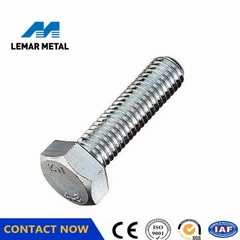
Before we delve into the measurement process, it's essential to understand the basic components of a screw. A typical screw consists of a head, shank, and thread. The head is the top part of the screw, which can come in various shapes such as flat, round, or pan. The shank is the smooth, unthreaded part of the screw between the head and the threads. The threads are the helical ridges that wrap around the shank and are responsible for the screw's ability to grip into materials.


Tools for Measuring Screw Length
To measure the length of a screw accurately, you'll need the right tools. Here are some commonly used tools:
- Ruler or Tape Measure: A simple ruler or tape measure can be used for measuring longer screws. Make sure to use a ruler with clear markings and measure from the bottom of the head to the tip of the screw.
- Calipers: Calipers are more precise measuring tools that can provide accurate measurements down to a fraction of a millimeter. There are two main types of calipers: vernier calipers and digital calipers. Vernier calipers require manual reading, while digital calipers display the measurement on a digital screen.
- Micrometer: Micrometers are the most precise measuring tools available and can measure screw length with extremely high accuracy. They are typically used in industrial settings where precise measurements are crucial.
Measuring Different Types of Screws
The method of measuring a screw may vary depending on its type and design. Here's how to measure different types of screws:
- Full Threaded Screws: For full threaded screws, measure from the bottom of the head to the tip of the screw. This measurement includes the entire length of the screw, including the threads.
- Partially Threaded Screws: When measuring partially threaded screws, measure from the bottom of the head to the end of the threaded portion. The unthreaded shank is not included in the measurement.
- Socket Head Cap Screws: Socket head cap screws have a cylindrical head with a socket drive. To measure these screws, measure from the bottom of the head to the tip of the screw, just like with other types of screws.
- Flat Head Thumb Screw: Flat head thumb screws have a flat head that sits flush with the surface of the material. Measure from the bottom of the head to the tip of the screw to determine its length.
- Stainless Steel Thumb Screws: Stainless steel thumb screws are made of stainless steel and are designed for easy hand tightening. Measure them in the same way as other screws, from the bottom of the head to the tip.
- Flat Head Knurled Thumb Screw: Flat head knurled thumb screws have a flat head with a knurled surface for better grip. Measure from the bottom of the head to the tip of the screw to get the accurate length.
Factors to Consider When Measuring Screws
In addition to using the right tools and measuring methods, there are several factors to consider when measuring screws:
- Screw Head Style: Different screw head styles may have different thicknesses, which can affect the measurement. Make sure to measure from the bottom of the head to get an accurate length.
- Thread Pitch: The thread pitch of a screw refers to the distance between adjacent threads. It can vary depending on the type and size of the screw. When measuring screws with different thread pitches, it's important to use the appropriate measuring tool to ensure accurate results.
- Material and Finish: The material and finish of a screw can also affect its measurement. For example, screws with a plated finish may have a slightly different diameter than those without a finish. Make sure to take these factors into account when measuring screws.
- Measurement Tolerance: In some cases, there may be a certain amount of measurement tolerance allowed for screws. This tolerance can vary depending on the application and industry standards. Make sure to check the specifications and requirements of your project to determine the acceptable measurement tolerance.
Importance of Accurate Screw Measurement
Accurate screw measurement is crucial for several reasons:
- Proper Fit: Using screws of the correct length ensures a proper fit in the material. If the screw is too short, it may not provide enough holding power, while a screw that is too long may protrude through the material or cause damage.
- Structural Integrity: In construction and engineering applications, accurate screw measurement is essential for maintaining the structural integrity of the project. Using screws of the wrong length can compromise the strength and stability of the structure.
- Safety: In some industries, such as automotive and aerospace, accurate screw measurement is critical for safety reasons. Using screws of the incorrect length can lead to component failure, which can have serious consequences.
- Cost Efficiency: Using the right length of screws can also help save costs. By avoiding the use of screws that are too long or too short, you can reduce waste and ensure that you are using the most cost-effective materials for your project.
Conclusion
Measuring the length of a screw may seem like a simple task, but it requires attention to detail and the use of the right tools and methods. As a screws supplier, I understand the importance of providing accurate measurements to our customers. By following the guidelines outlined in this blog, you can ensure that you are measuring screws correctly and using them effectively in your projects.
If you have any questions or need further assistance with screw measurement or selection, please don't hesitate to contact us. We are here to help you find the right screws for your needs and ensure the success of your projects.
References
- Machinery's Handbook, 31st Edition
- ASME B18.6.3 - Machine Screws, Tapping Screws, and Wood Screws
- ISO 4757 - Screws and Nuts - General Requirements
Send Inquiry