


Do spring washers require maintenance?
Dec 29, 2025
Leave a message
Do Spring Washers Require Maintenance?
As a seasoned supplier of spring washers, I've encountered numerous inquiries from clients regarding the maintenance requirements of these essential components. Spring washers are widely used in various industries to provide a preload and prevent loosening due to vibration, thermal expansion, or other dynamic forces. In this blog post, I'll delve into the topic of whether spring washers require maintenance, exploring the factors that influence their maintenance needs and offering practical advice for ensuring their optimal performance.
Understanding Spring Washers
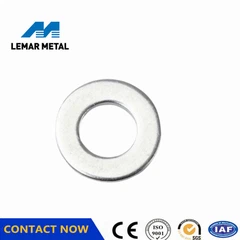
Before discussing maintenance, it's essential to understand the basic function and types of spring washers. Spring washers are designed to exert a spring force when compressed between two surfaces, creating a preload that helps to maintain the integrity of a joint. There are several types of spring washers, each with its unique characteristics and applications. Some common types include:


- Stainless Steel Spring Washers: These washers are made from stainless steel, which offers excellent corrosion resistance and durability. They are suitable for use in harsh environments where rust and corrosion are a concern. Stainless Steel Spring Washers
- Single Coil Spring Washer: This type of washer consists of a single coil of wire, which provides a high degree of flexibility and resilience. Single coil spring washers are commonly used in applications where a large amount of deflection is required. Single Coil Spring Washer
- Stainless Steel Spring Lock Washer: These washers are designed to prevent loosening by biting into the surfaces of the joint. They are often used in applications where vibration or dynamic forces are present. Stainless Steel Spring Lock Washer
Factors Affecting Maintenance Requirements
The maintenance requirements of spring washers depend on several factors, including the type of washer, the application, and the operating environment. Here are some key factors to consider:
- Material and Coating: The material and coating of the spring washer can significantly affect its corrosion resistance and durability. Stainless steel spring washers, for example, are more resistant to corrosion than carbon steel washers. Additionally, some washers may be coated with a protective layer to enhance their performance in specific environments.
- Operating Environment: The operating environment can also have a significant impact on the maintenance requirements of spring washers. Washers used in harsh environments, such as those exposed to high temperatures, humidity, or chemicals, may require more frequent maintenance to prevent corrosion and degradation.
- Load and Vibration: The load and vibration experienced by the spring washer can also affect its performance and lifespan. Washers subjected to high loads or excessive vibration may require more frequent inspection and replacement to ensure their continued effectiveness.
- Installation and Torque: Proper installation and torque are crucial for the optimal performance of spring washers. Incorrect installation or over-tightening can cause the washer to deform or lose its spring force, reducing its effectiveness.
Maintenance Practices for Spring Washers
While spring washers are generally low-maintenance components, there are some maintenance practices that can help to ensure their optimal performance and longevity. Here are some recommended maintenance practices:
- Regular Inspection: Regularly inspect the spring washers for signs of wear, damage, or corrosion. Look for cracks, deformation, or loss of spring force, which may indicate that the washer needs to be replaced.
- Cleaning and Lubrication: Depending on the operating environment, the spring washers may need to be cleaned and lubricated periodically to prevent corrosion and ensure smooth operation. Use a mild detergent and a soft brush to clean the washers, and apply a suitable lubricant to reduce friction and wear.
- Replacement: If the spring washers show signs of significant wear, damage, or corrosion, they should be replaced immediately. Using worn or damaged washers can compromise the integrity of the joint and lead to potential safety hazards.
- Proper Installation: Ensure that the spring washers are installed correctly and tightened to the recommended torque specifications. Follow the manufacturer's instructions for installation and use a torque wrench to ensure accurate tightening.
Conclusion
In conclusion, the maintenance requirements of spring washers depend on several factors, including the type of washer, the application, and the operating environment. While spring washers are generally low-maintenance components, regular inspection, cleaning, and lubrication can help to ensure their optimal performance and longevity. By following these maintenance practices, you can minimize the risk of failure and ensure the reliability of your equipment.
If you have any questions or need further information about spring washers or their maintenance requirements, please don't hesitate to contact us. We are a leading supplier of high-quality spring washers and can provide you with the expertise and support you need to make the right choice for your application. Whether you're looking for Stainless Steel Spring Washers, Single Coil Spring Washer, or Stainless Steel Spring Lock Washer, we have the products and solutions to meet your needs. Contact us today to discuss your requirements and start a procurement negotiation.
References
- "Mechanical Design Handbook," by Joseph E. Shigley and Charles R. Mischke
- "Handbook of Springs," by Robert A. Mott
- "Spring Design Manual," by Associated Spring Raymond
Send Inquiry